What are coated bricks?
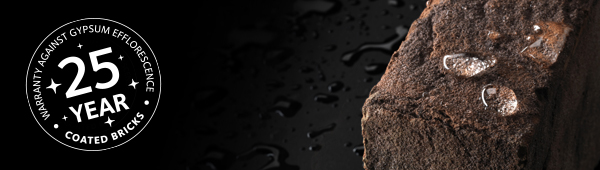
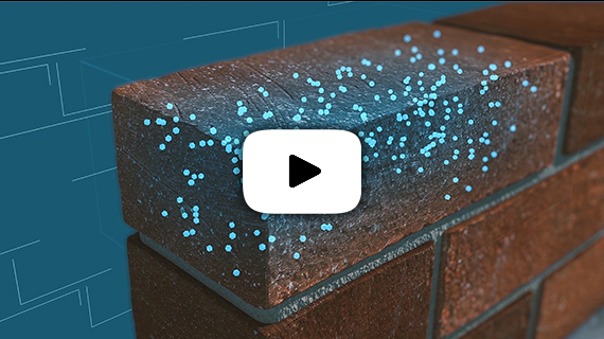
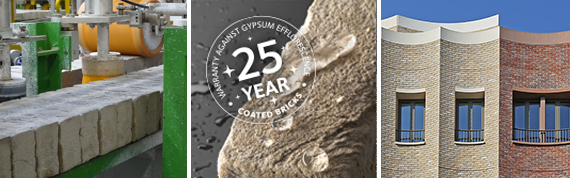
After firing, a large part of our facing brick range goes through a dedicated coating unit, where a protective treatment is applied to every visible face. It penetrates 5 to 10 mm into the brick and limits the ability of water, from rain or wet mortar, to carry gypsum through to the surface. That movement is what causes gypsum efflorescence. We developed the process with Belgian university KU Leuven, and it has been part of our production for several years.
Does anything change?
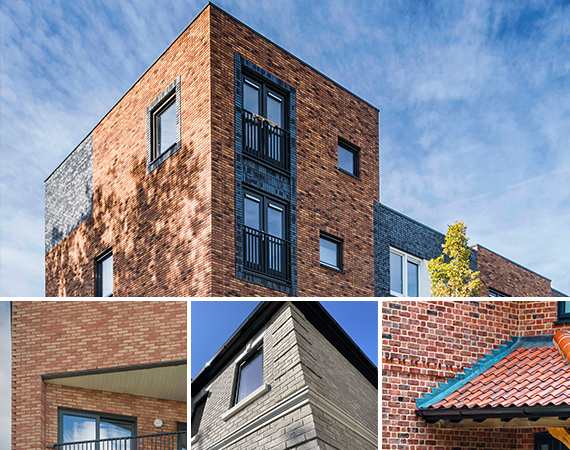
Very little, and that’s the point. The bed faces are deliberately left untreated and keep their natural absorption. You still get a good mortar bond, and the bricks are laid with standard mortars, so nothing changes in the specification or on site. The pores stay open, letting moisture evaporate and maintaining frost resistance. Nothing changes visually either. Colour, texture and character are exactly as they would be uncoated, so there's no trade-off on the finished elevation.
What difference does it make?
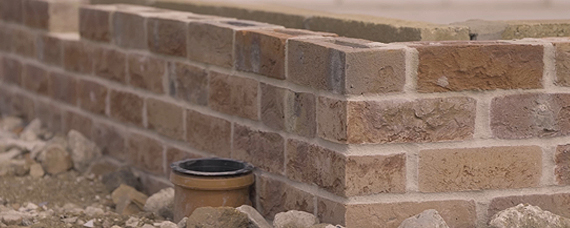
A facade is designed to be seen for decades. Gypsum efflorescence can undermine that, and once it appears, removing it is a specialist job. Coated bricks help a building keep the colour and finish that were specified, long after handover, and the coated faces absorb considerably less water, which helps reduce dirt build-up. You can specify with confidence in how a facade will age.
Does every brick need to be coated?
No. We coat the bricks that benefit from it, including most of our hand-formed range. The rest resist gypsum efflorescence, thanks to a closed surface structure or recipes developed with different clays.
Either way, every facing brick and brick slip we make is backed by a 25-year guarantee against gypsum efflorescence. No other brick manufacturer currently offers that.
Talk to the team
If you're considering coated bricks for a development, or want the technical detail behind them, we're happy to help.
|