
Getting the specification right for control and instrumentation cabling is critical to achieving safe, reliable, and efficient performance. For engineers, technicians, and project managers alike, choosing the right cy cable helps reduce interference, improves long-term reliability, and supports smooth operation in demanding environments. This guide covers everything you need to know about cy cable selection.
What Is a CY Cable?
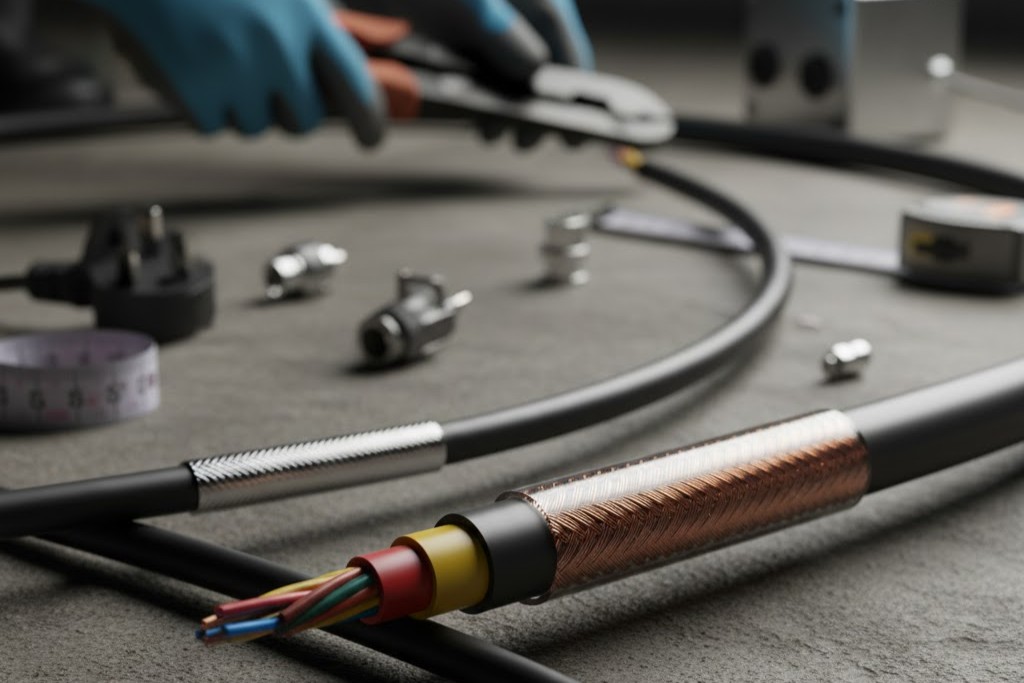
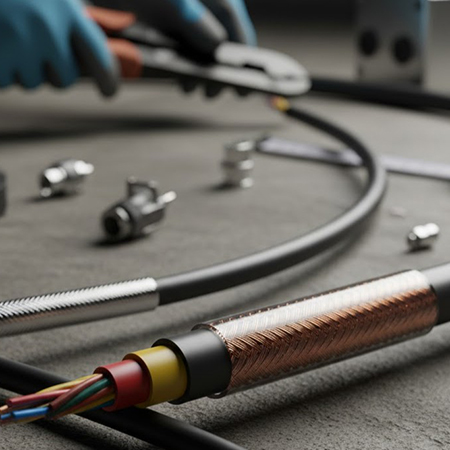
A CY cable is a flexible control cable designed for low-voltage signal and data transmission, protected against electromagnetic interference (EMI). It consists of multi-core conductors insulated with PVC and a tinned copper wire braid that offers superior shielding performance.
You’ll commonly find it being used in industrial automation, instrumentation, and control panels, especially where electromagnetic compatibility (EMC) is critical. Batt Cables offers both PVC and LSZH variants for various environments, from machinery control rooms to fire-safe installations.
Benefits of Using CY Cable
Effective shielding: The tinned copper wire braid significantly reduces EMI, ensuring signal integrity.
Flexible and durable: Ideal for installations requiring frequent movement or vibration.
Fire performance: Available with Low Smoke Zero Halogen (LSZH) outer sheaths for enhanced safety.
Versatility: Suitable for dry and moist environments, making it perfect for factory settings.
Reliable voltage rating: Typically rated at 300/500 V and ideal for signal and control applications.
Learn more
Choosing the Right CY Cable for Your Electrical Projects

| T | 01322 441166 |
|---|---|
| E | sales@battcables.com |
| W | Visit Batt Cables's website |
| The Belfry, Fraser Road, Erith Kent DA8 1QH |
Products by this Company
Categories
Wire Safety Wires and meshes Cables Cables and ropes