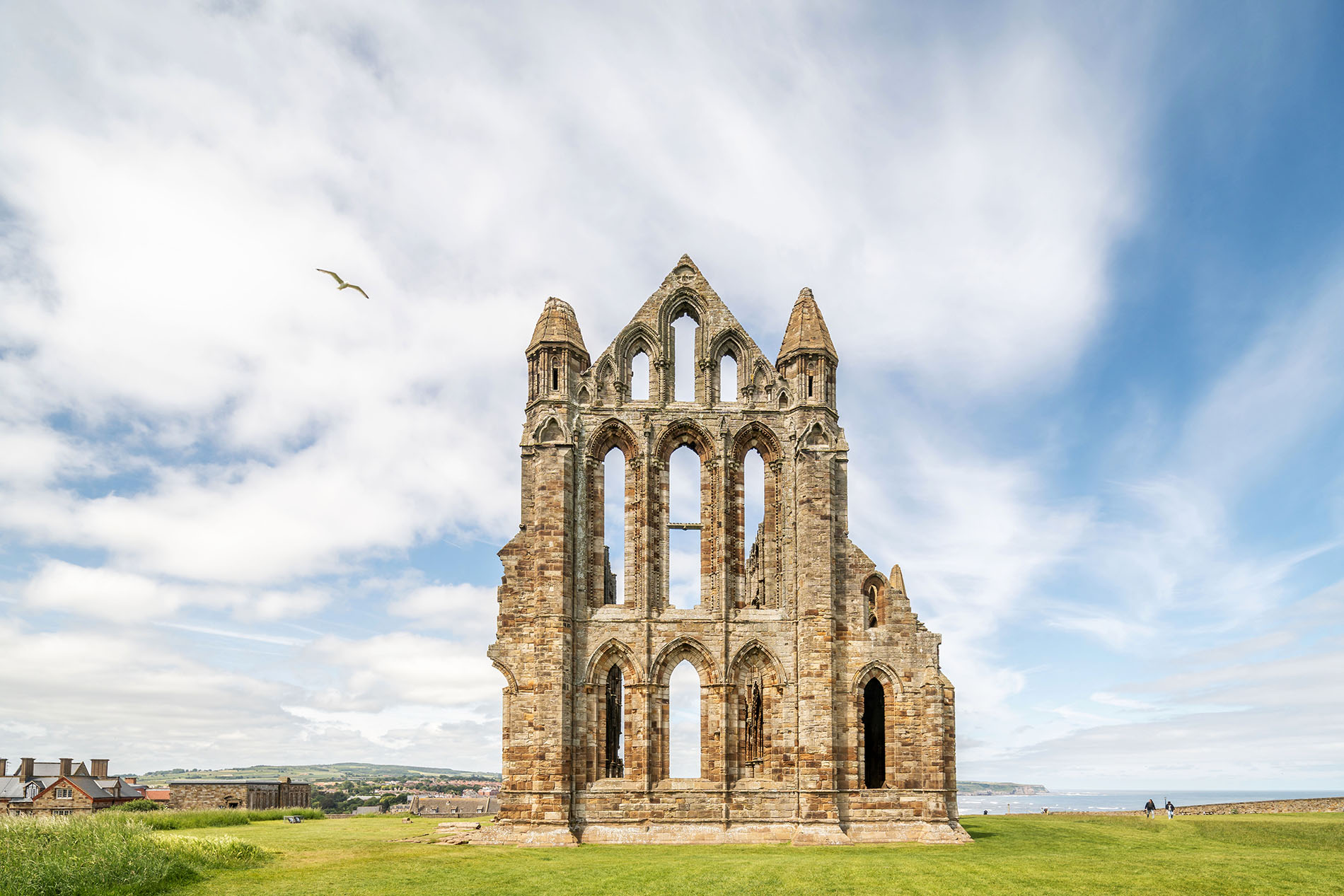
One of England’s most famous historic monasteries, Grade I Whitby Abbey, has invested in a lift modernisation by Stannah to offer reliable step-free access to visitors.
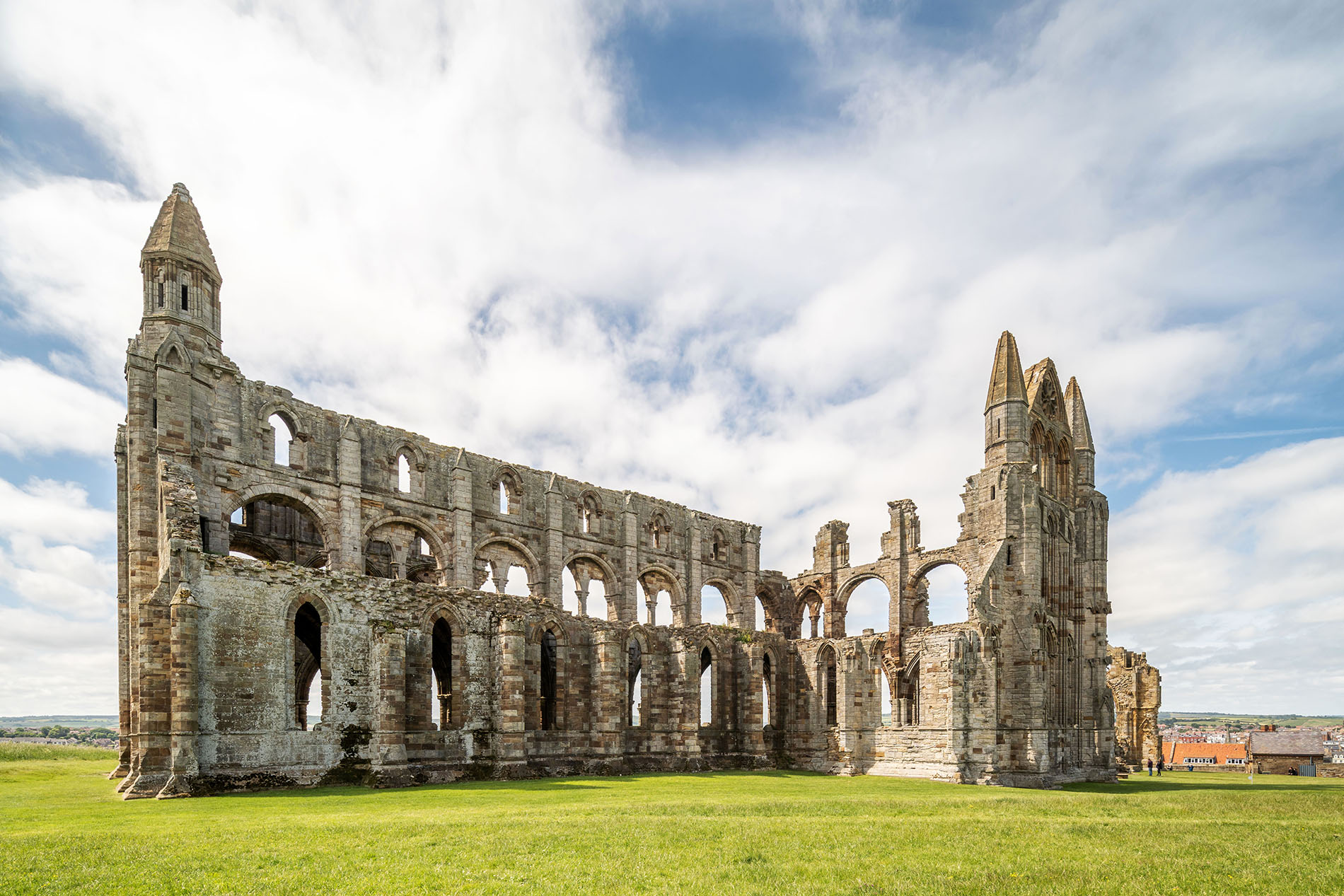
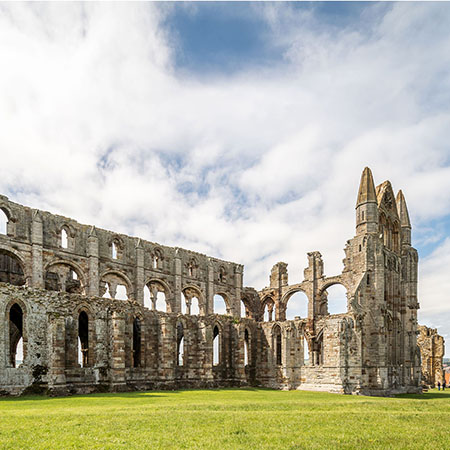
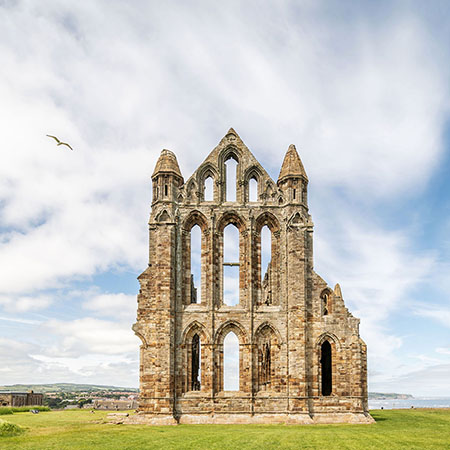
Originally founded in AD 657 and occupied by the Anglian community, Whitby Abbey was later rebuilt as a Benedictine monastery. Today, the 7th-century ruins remain a popular heritage landmark in North Yorkshire, now housing an award-winning visitor centre repurposed from a 17th-century banqueting hall.
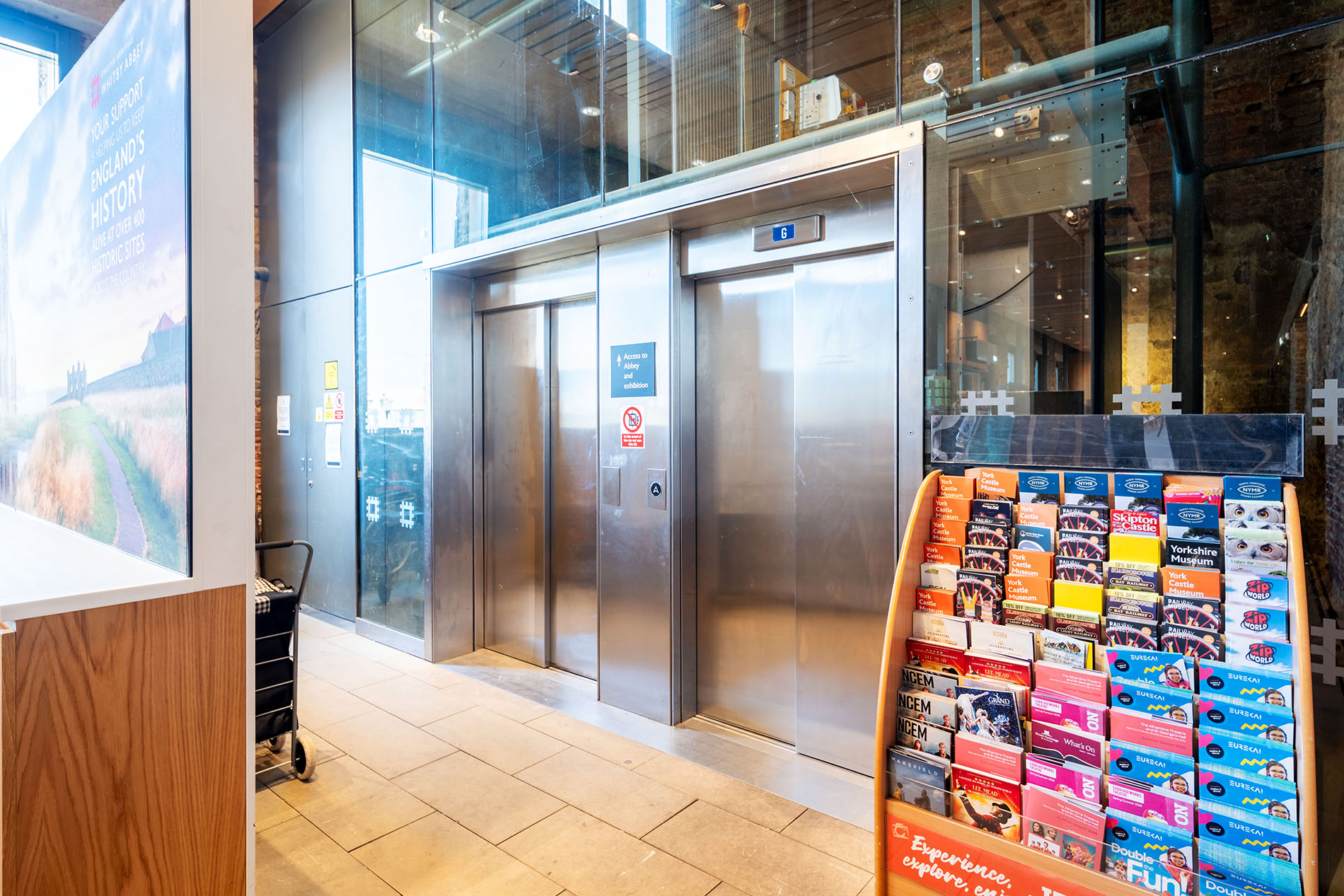
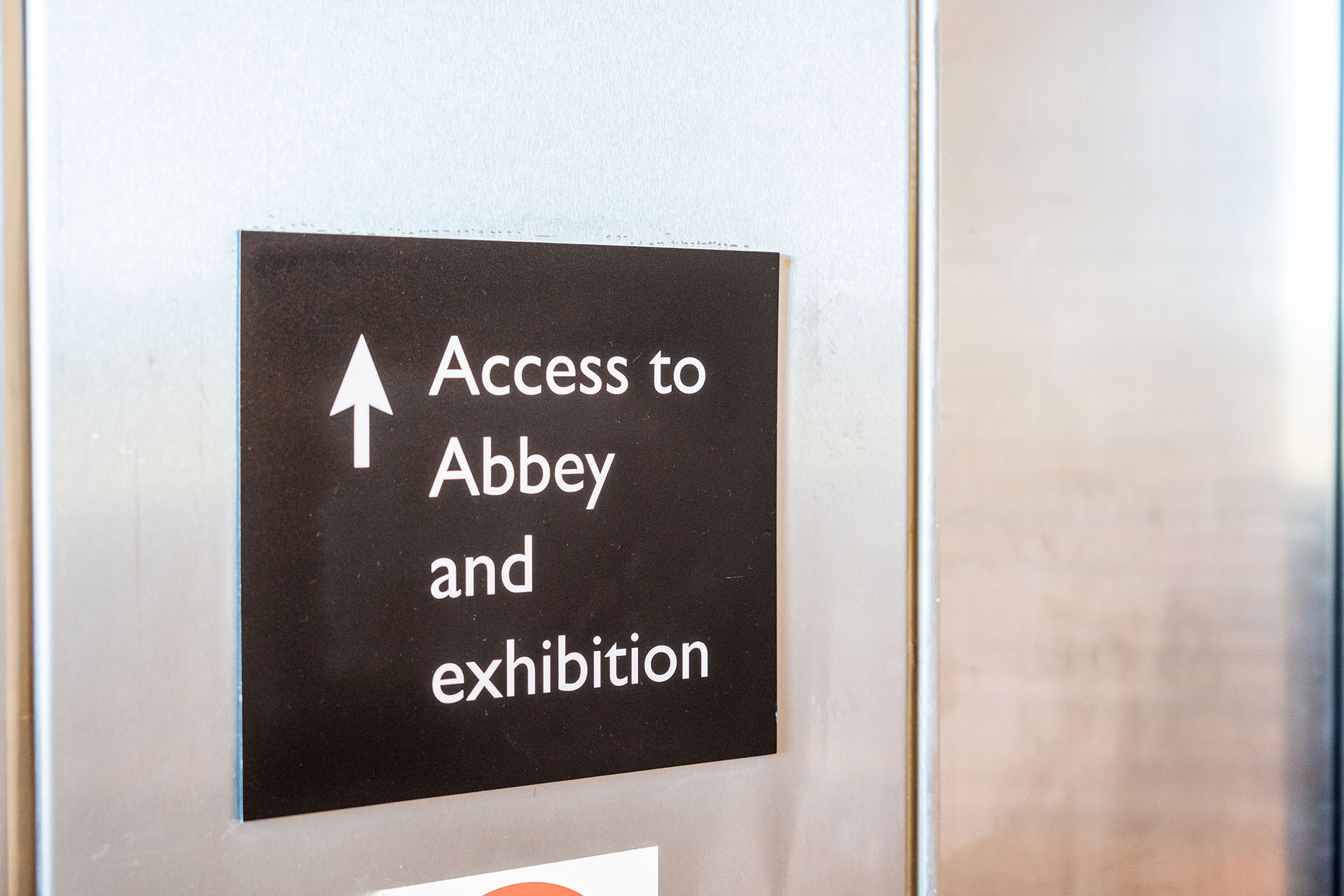
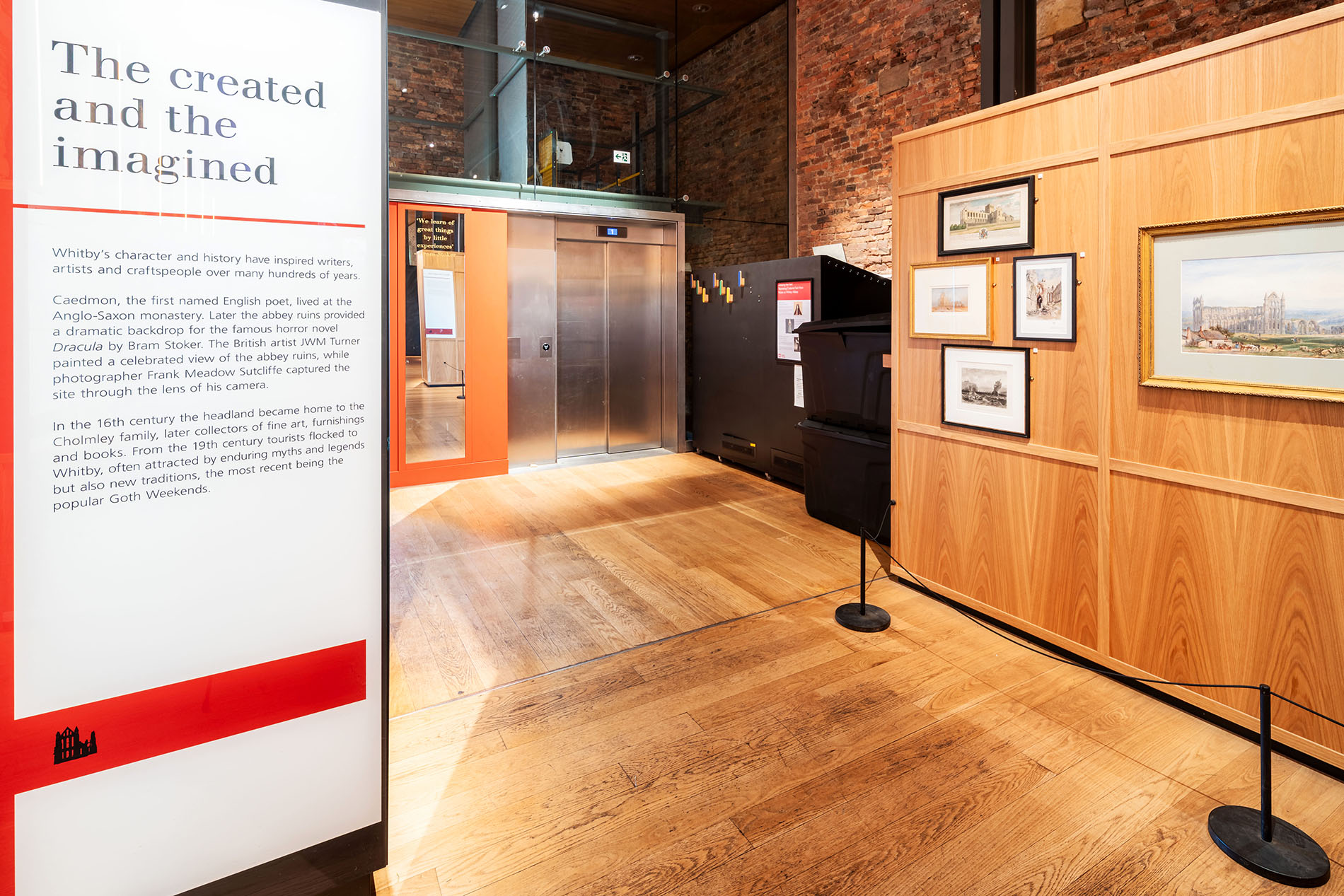
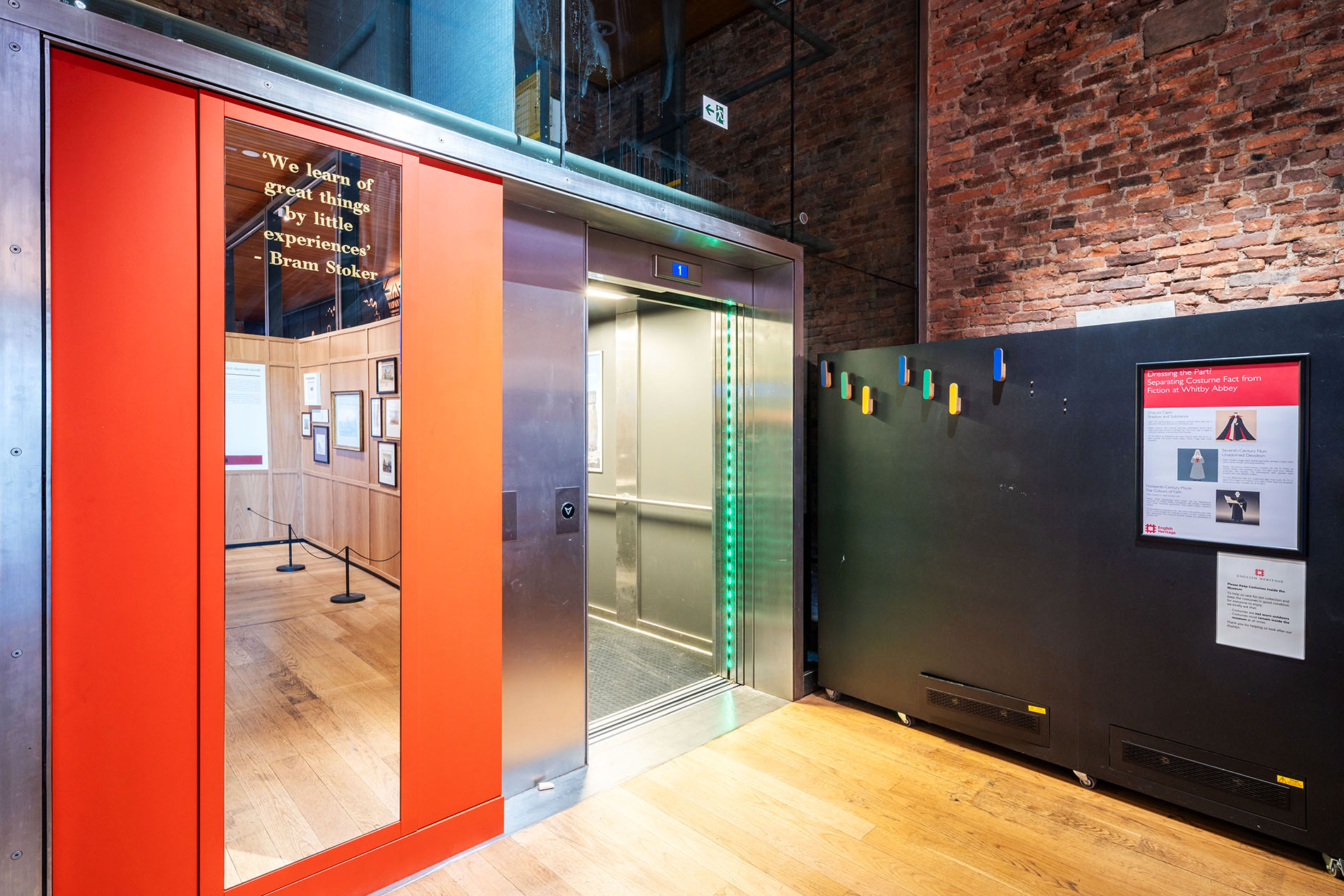
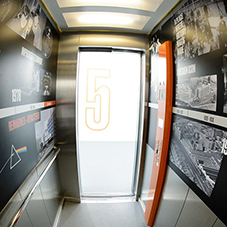
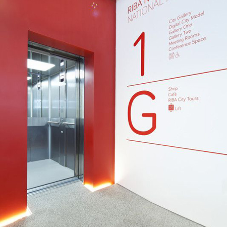
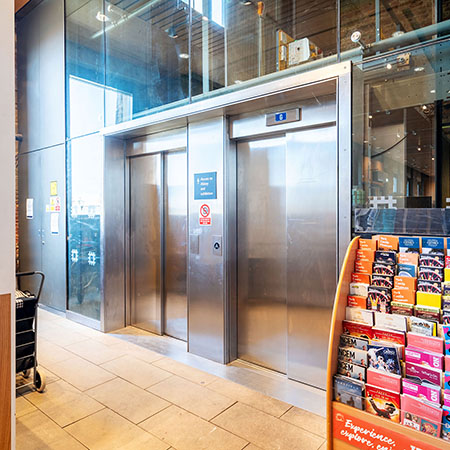
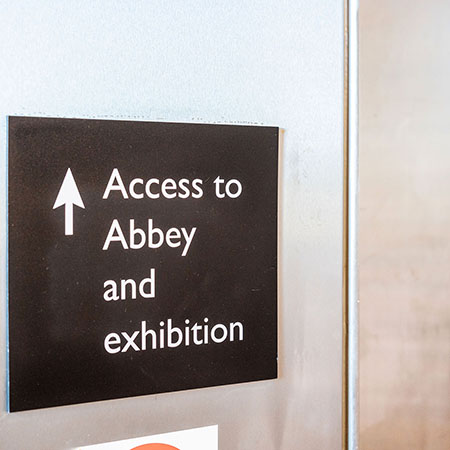
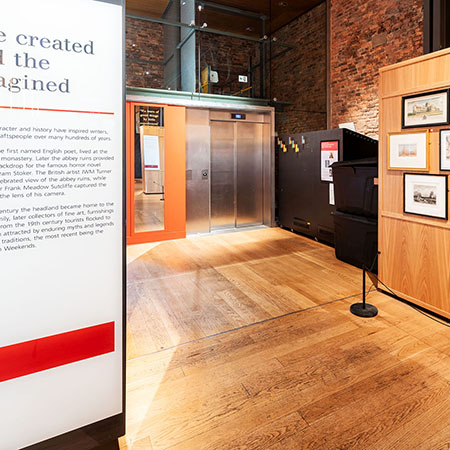
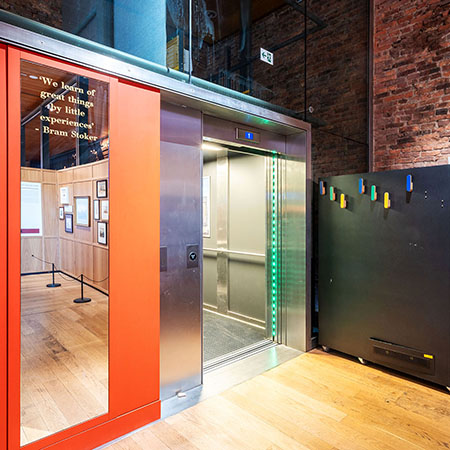
Whitby Abbey House Visitor Centre, developed in the early 2000s beside the abbey ruins, includes a souvenir shop, museum and café. The passenger lift is located on the ground floor, providing access to the museum and exhibition area on the first floor.
Due to the age of the existing lift, modernisation work was needed to maintain smooth and reliable operations for visitors who require step-free access.
Whitby Abbey is managed and maintained by English Heritage, who issued a tender for the lift works. Following a rigorous tendering process, Stannah, acting as the lift supplier, worked with Cundall consultants to determine the best approach for this modernisation project.
The challenge
Whitby Abbey attracts over 150,000 visitors each year, so keeping the visitor centre open was important to fulfil the customer experience. The shop’s closure was kept to a minimum to ensure the safe transportation of equipment and initial start of works. This also allowed the on-site team to establish a safety perimeter, prioritising visitor safety. Following this, the shop remained open for the duration of the project.
As this was the only functioning lift in the building, it was important to complete the modernisation as quickly as possible to avoid long disruptions to shop operations and visitors.
The solution
Working collaboratively with Cundall, lift modernisation was proposed in place of full replacement, a recommendation supported by Stannah Lifts to achieve a cost effective outcome with minimal impact on day to day operations.
By upgrading key mechanical and control components, the lift’s reliability, performance and long-term serviceability are improved while shortening installation time and minimising downtime.
The lift modernisation solution included a new Hydroware control panel to improve reliability and lift response times, a hydraulic tank unit for more efficient system operation, and a borehole ram to provide safer and smoother travel.
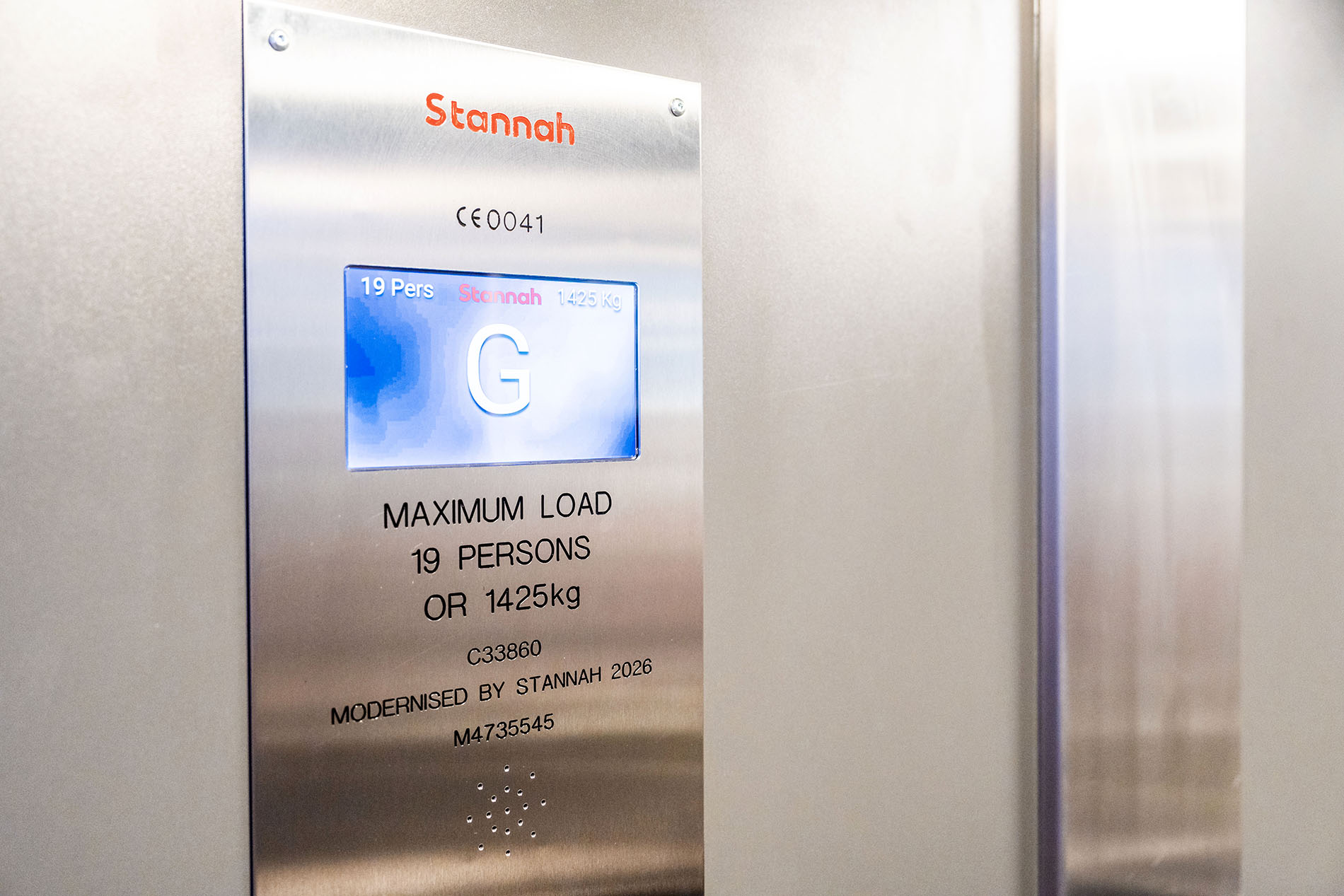
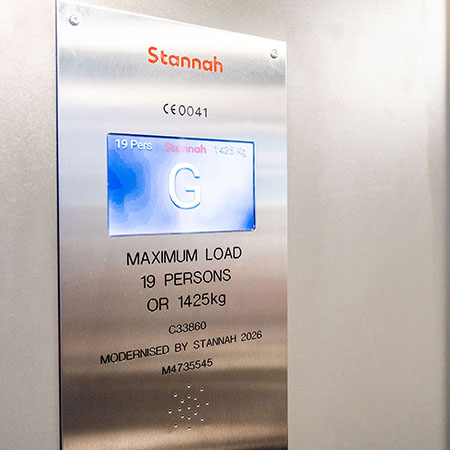
A new stainless steel car operating panel (COP) and landing push stations were installed to improve passenger usability, accessibility and lift reliability.
The installation of a variable voltage variable frequency (VVVF) electronic drive improves ride comfort by delivering smoother acceleration and deceleration, reducing any jerking movements and mechanical wear, while also improving energy efficiency. The shaft lighting was also upgraded to LED to improve visibility for engineers during future maintenance work.
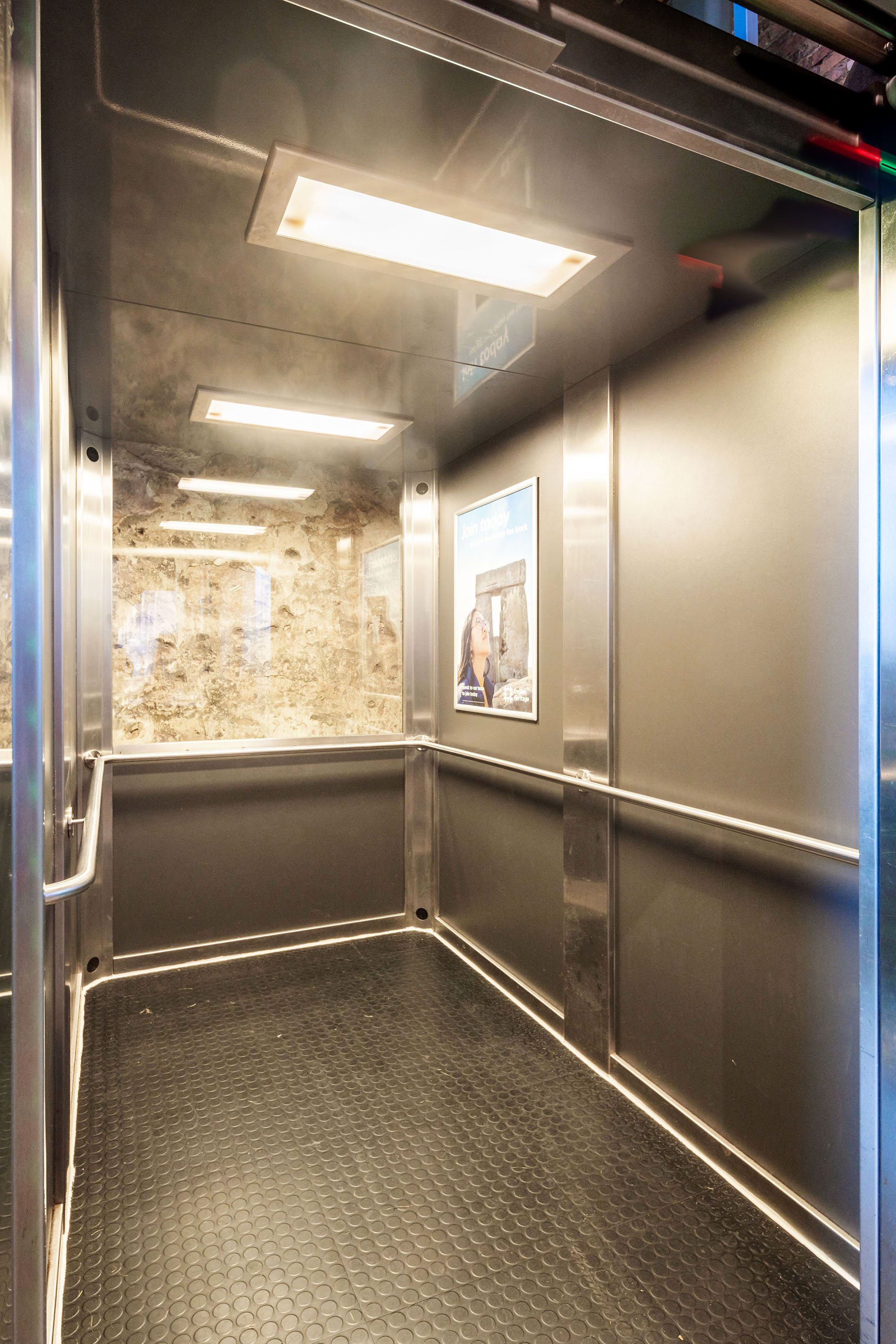
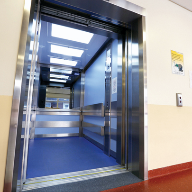
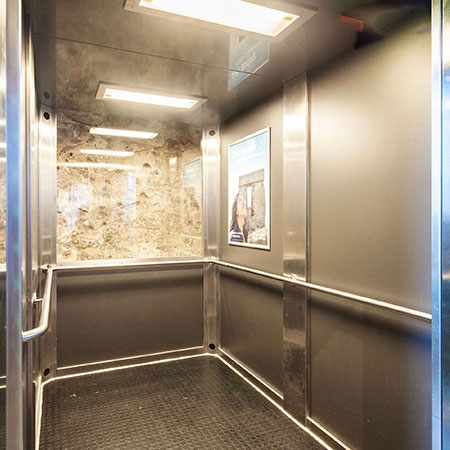
New vinyl flooring was chosen to enhance the interior appearance while providing a durable, hard-wearing, and easy-to-maintain surface suitable for high-traffic use.
The modernisation package covered all major components, offering a practical solution that optimised performance and restored reliability.
Results
The lift modernisation was completed within five weeks. Overall, these modernisation upgrades successfully enhanced the lift’s reliability, operational efficiency, ride comfort, safety and energy performance, while reducing the risk of breakdowns frequently associated with ageing components.
The new stainless steel COP, updated indicators and vinyl car flooring also modernised the appearance of the lift car, providing a more durable, accessible, and user-friendly experience for passengers.
Upgraded lift components, such as the VVVF drive, help to deliver a smoother ride while also reducing operating costs by more efficient motor control and reduced energy consumption.
Ryan Smith, Field Repair Manager at Stannah North & North East England Service Branch in Gateshead, said: “Working within a heritage site required careful planning and consideration, so we worked closely with on-site teams throughout to ensure the lift modernisation was delivered safely and successfully. Through the upgrade of key lift components, we were able to significantly enhance the lift’s reliability, efficiency, and passenger experience, while also helping to reduce ongoing operational costs for our customer.”
Matt Bishop, National Project Manager at English Heritage, adds: “We are pleased with how all the teams involved came together throughout the lift upgrade. Stannah Lifts kept in consistent communication at every stage, particularly around delivery schedules and installation timelines, which helped everyone to stay aligned and manage our expectations. As a result, visitors were able to regain step-free access to upper floors as quickly as possible once the project was completed.”
Visitors can now enjoy reliable transportation from the only lift on site to the museum, where they can explore the heritage of one of the UK’s iconic landmarks through its exhibits and displays.
Lift modernisations are particularly effective for systems experiencing frequent callouts, breakdowns, repeated repairs, high running costs from outdated systems that consume a lot of power and worn finishes. For more information on lift modernisations, visit: https://www.stannahlifts.co.uk
Image credits: Ben Harrison Photography
www.benharrisonphotography.co.uk
Historic Whitby Abbey facilities benefit from lift modernisation

| T | 01264 343724 |
|---|---|
| E | contact@stannah.co.uk |
| W | Visit Stannah Lifts's website |
| Watt Close, East Portway, Andover, Hampshire, SP10 3SD |
Categories
Lifts Passenger lifts