Managing high volumes of surface water in demanding infrastructure projects
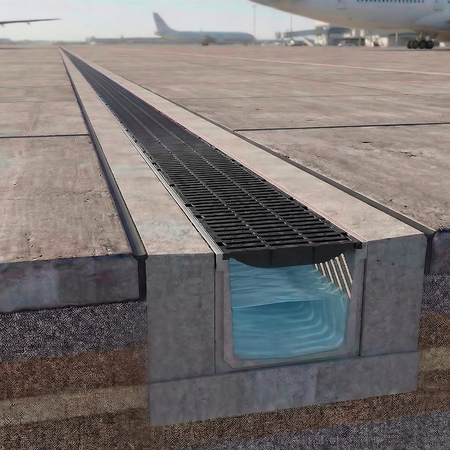
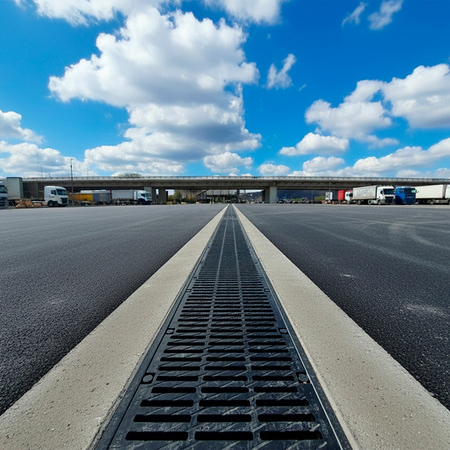
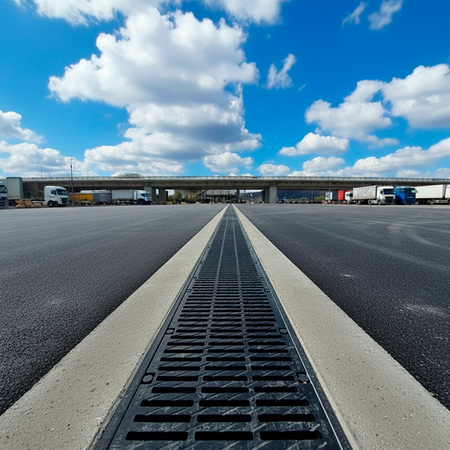
As infrastructure becomes larger, busier and increasingly exposed to intense rainfall events, effective surface water management is becoming a critical design consideration. In environments such as service stations, ports, logistics platforms, airports, roads and heavy vehicle parking areas, drainage systems must be capable of managing large volumes of water quickly, while also withstanding continuous heavy traffic.
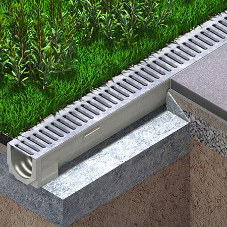
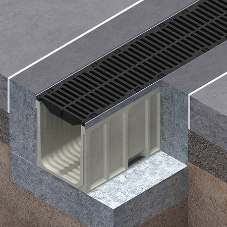
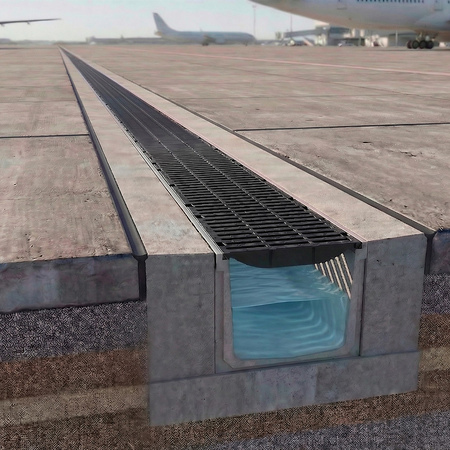
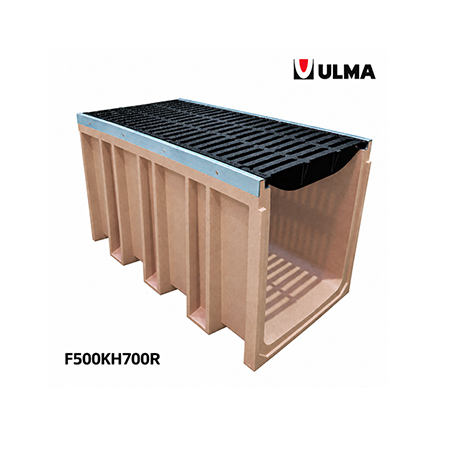
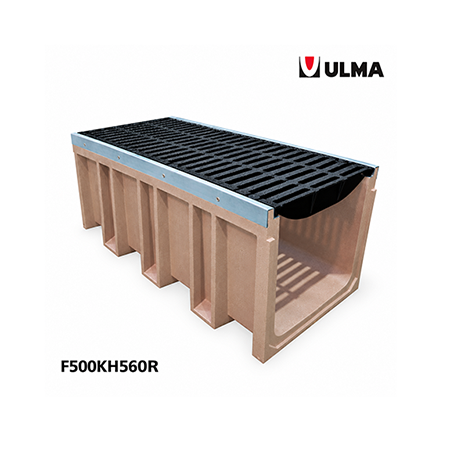
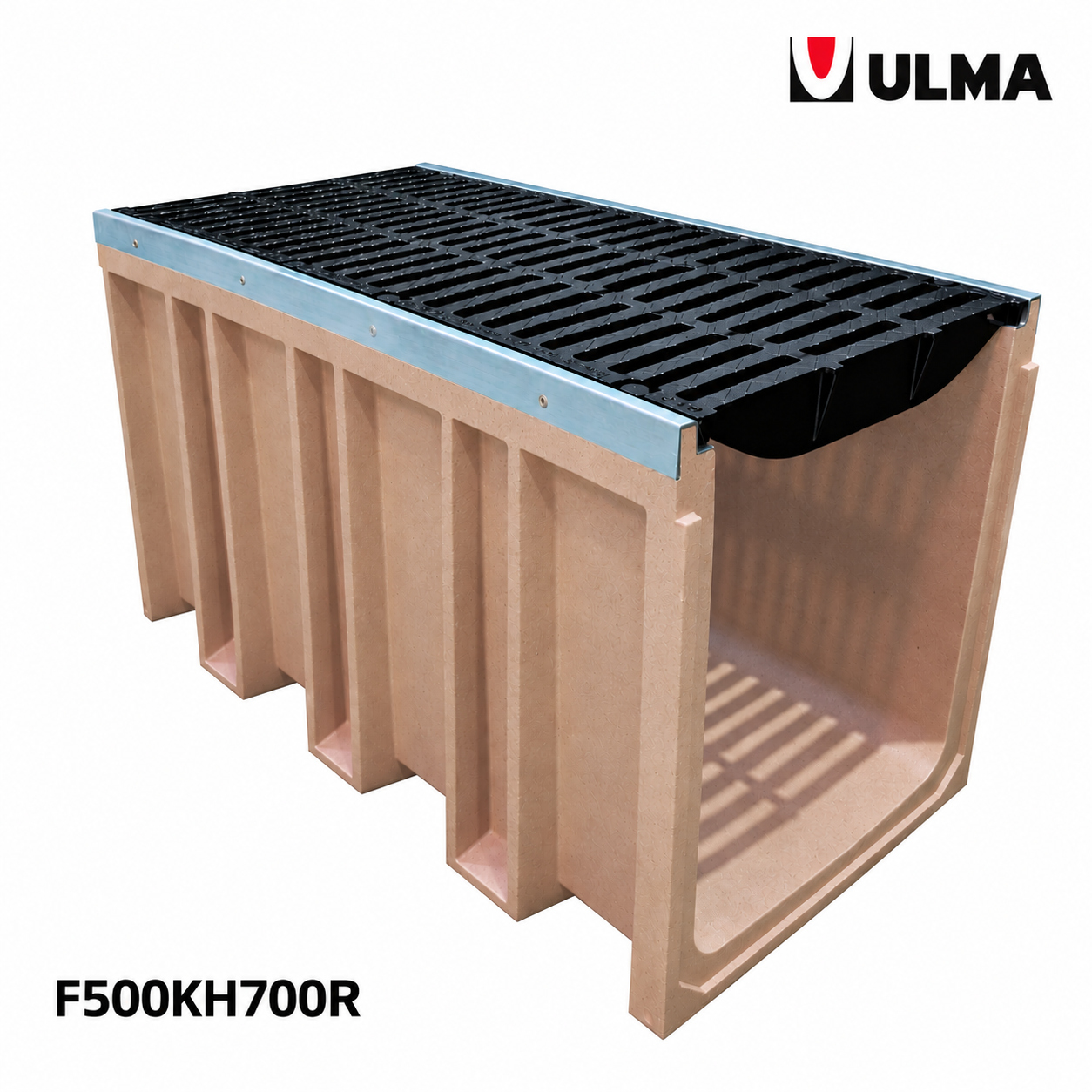
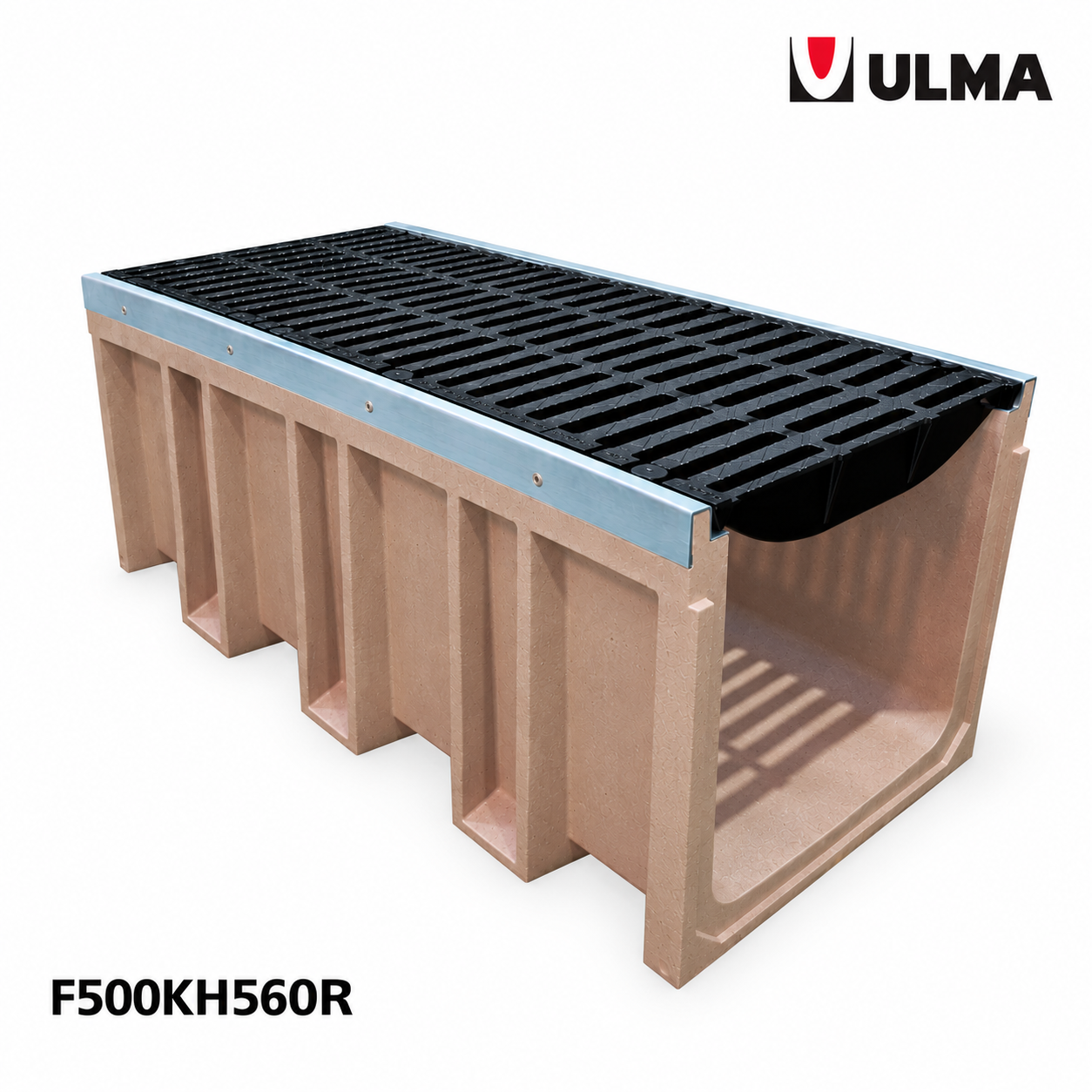
ULMA Architectural Solutions has developed the F500 drainage channel to meet these demanding civil engineering requirements. With an internal width of 500 mm and depths of up to 700 mm, it is one of the largest drainage channels available on the market, offering one of the highest hydraulic capacities in the drainage channel market.
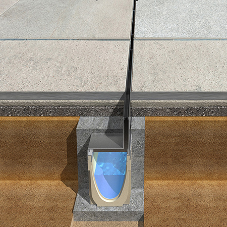
Its hydraulic performance is a key advantage. The system provides a capture area of up to 2,032 cm² per linear metre, while the hydraulic section reaches 2,505 cm² in the 560 mm deep model and 3,140 cm² in the 700 mm version. This enables large volumes of surface water to be collected and conveyed efficiently.
But hydraulic capacity is only part of the challenge. Civil engineering projects also require drainage systems capable of performing under extreme mechanical loads. The F500 is available up to load class F900 in accordance with BS EN 1433, making it suitable for demanding applications including service stations, ports, logistics platforms, airports, roads and heavy vehicle parking areas. Its eight-point fixing system provides greater stability and improved load distribution along the grating and channel.
As infrastructure requirements evolve, drainage needs to be considered as an integral part of resilient design. Solutions such as the F500 combine high hydraulic capacity and heavy-duty performance, providing civil engineers with a robust solution for managing surface water in the most demanding environments.
Need support with the drainage design for your next civil engineering project?
Get in Touch Now with ULMA’s Engineering Office
Managing high volumes of surface water in demanding infrastructure projects
| T | (+44) 0754 2982 022 |
|---|---|
| 0793 221 5849 Tech Dept. | |
| E | mikelgarcia@ulmaarchitectural.com |
| W | Visit ULMA Architectural Solutions's website |
| Unit 20B Access 18, Avonmouth, Bristol, BS11 8HT |