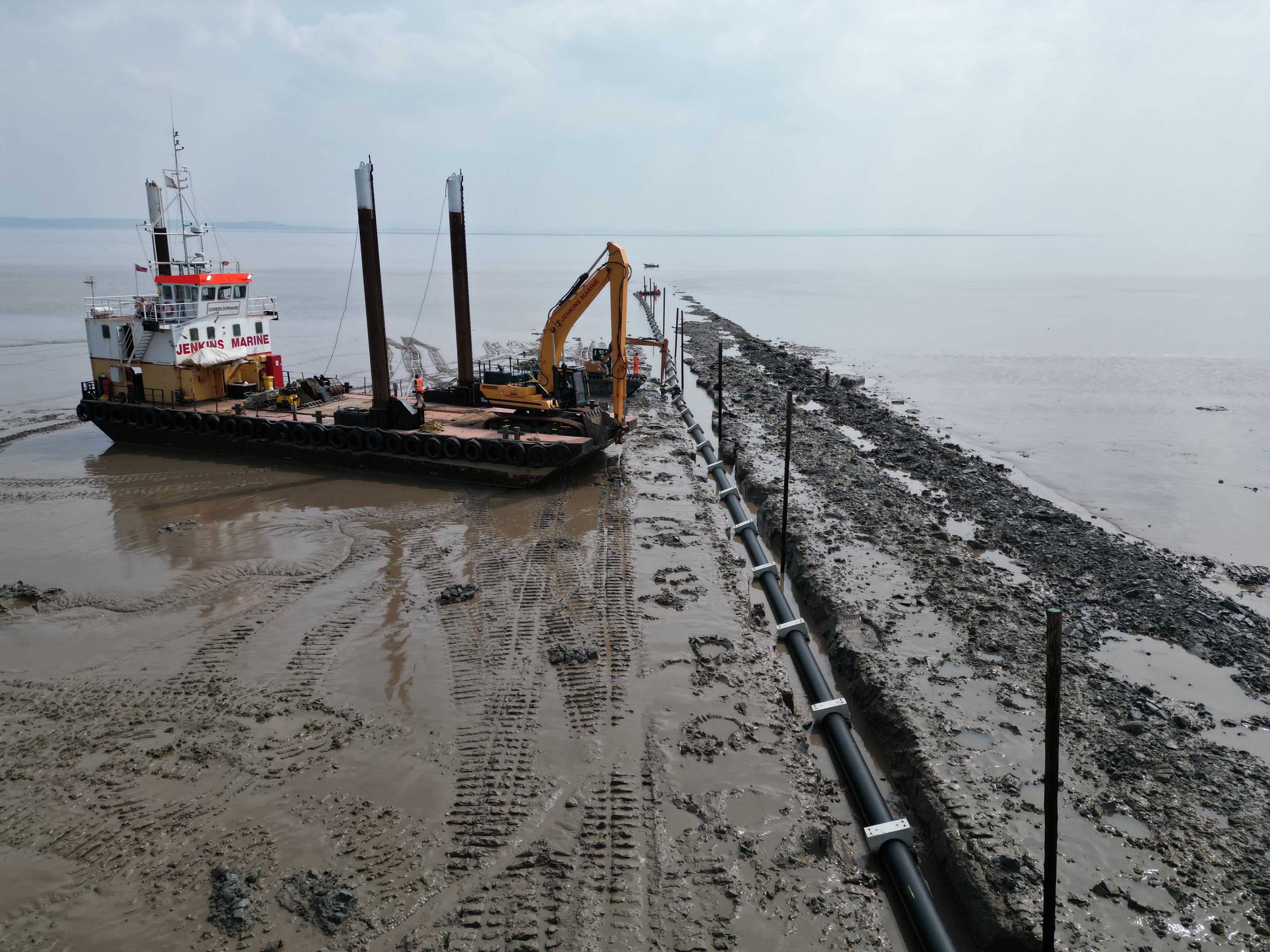
Originally constructed in 1960, the long sea outfall pipeline in the ecologically-sensitive Severn Estuary in Newport was reaching the end of its serviceable life.
As the aging concrete-coated steel pipe stretched across a Site of Special Scientific Interest (SSSI), replacing it with a high-density polyethylene (HDPE) upgrade would take careful planning and collaborative teamwork.
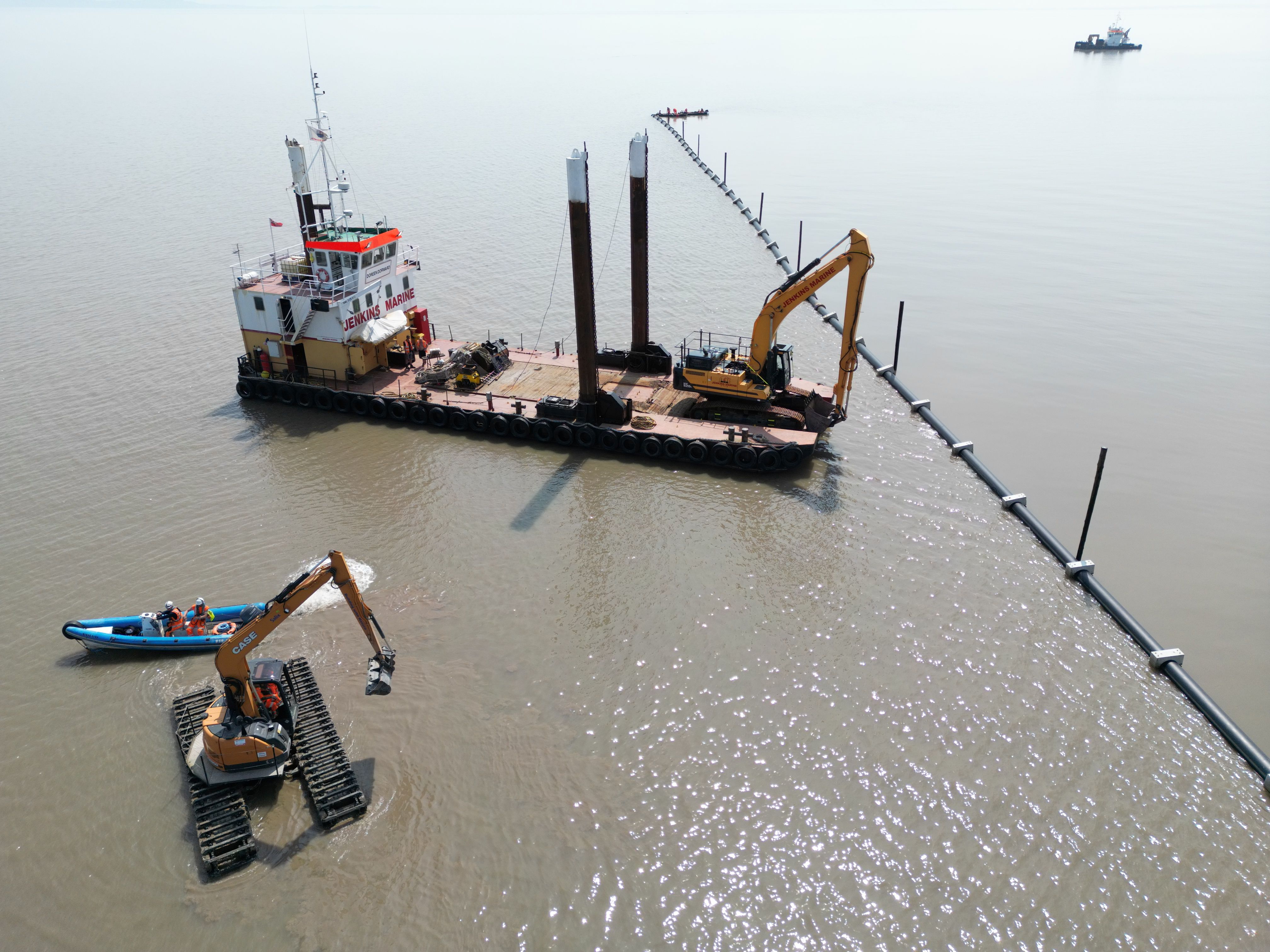
Recognising this sensitivity, principal contractor Kaymac Marine and Civil Engineering Ltd liaised with a range of stakeholders and expert suppliers – including Poundfield Precast – to successfully install 1.4km of pipeline over the project’s three-year lifespan.
Protecting the environment
The Severn Estuary’s designation as an SSSI meant that minimising the environmental impact of the project to protect tidal flats, salt marshes and wildlife diversity was a priority.
Coupled with this were challenges caused by the estuary’s tidal range – the second largest in the world – which reaches up to 14 metres and can generate powerful currents as a result.
Ensuring the pipeline could not only be laid sensitively but would remain firmly place for years to come was therefore a key consideration during the planning stage of this significant marine infrastructure project.
Working in partnership to find an effective solution
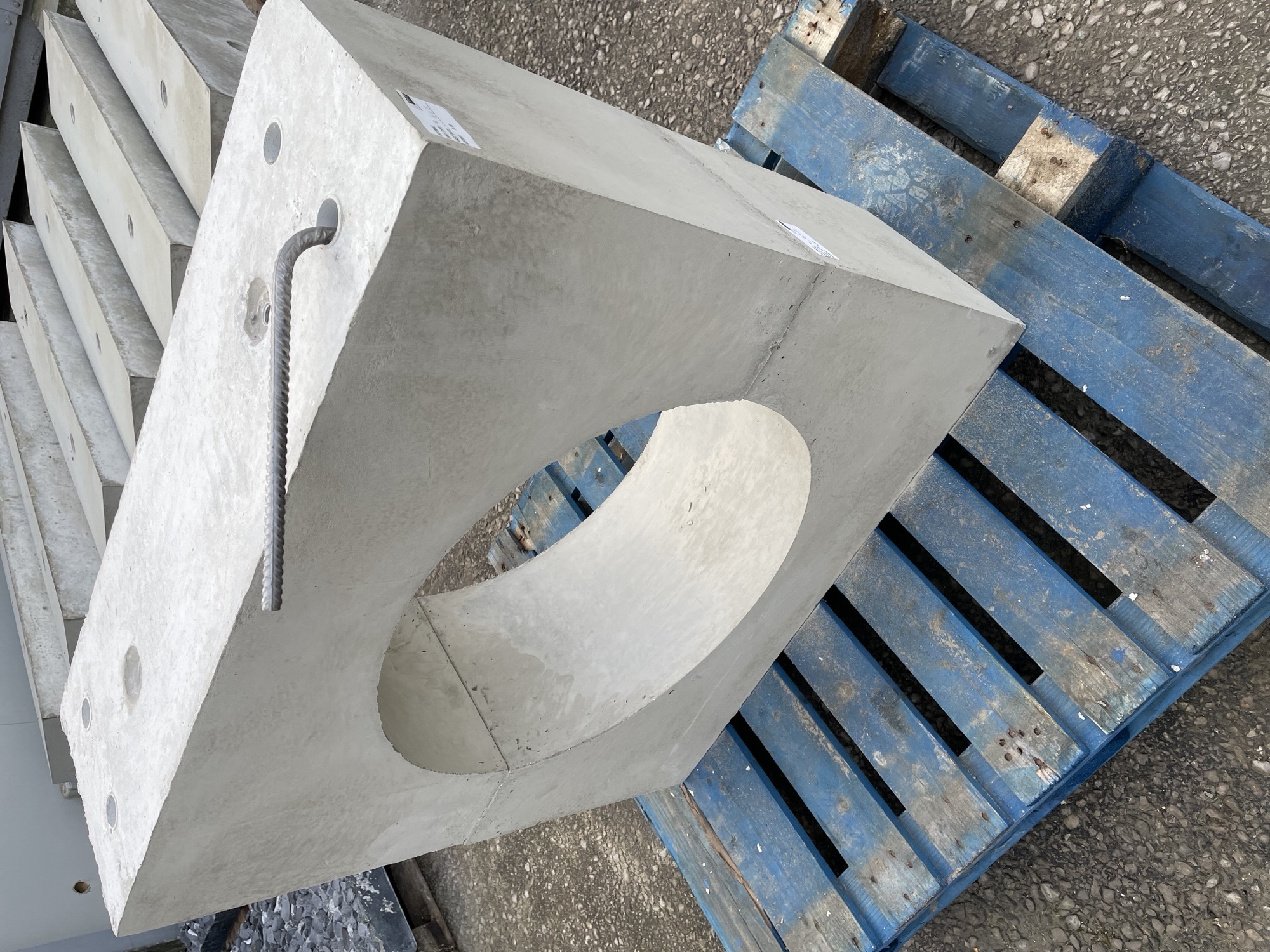
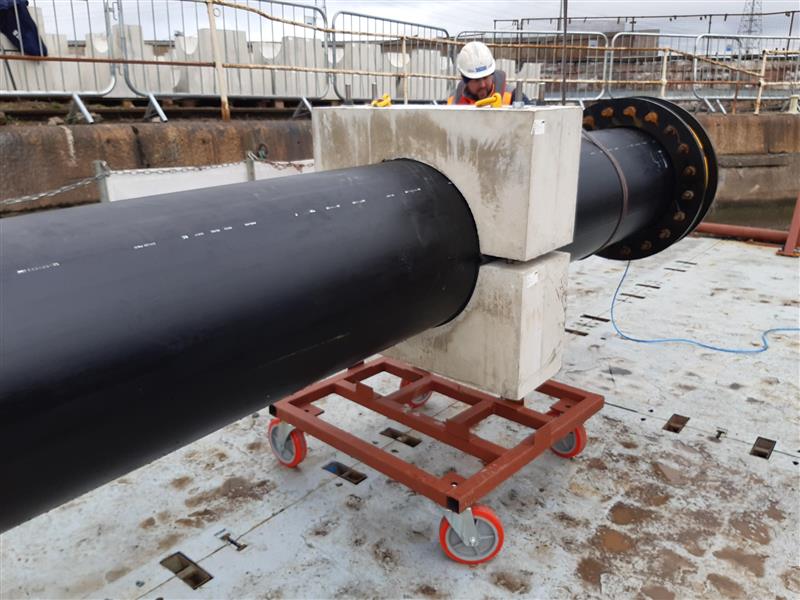
Poundfield helped deliver an effective solution by supplying 270 specially engineered concrete pipe collars to the specifications designed by Kaymac Marine and Civil Engineering Ltd.
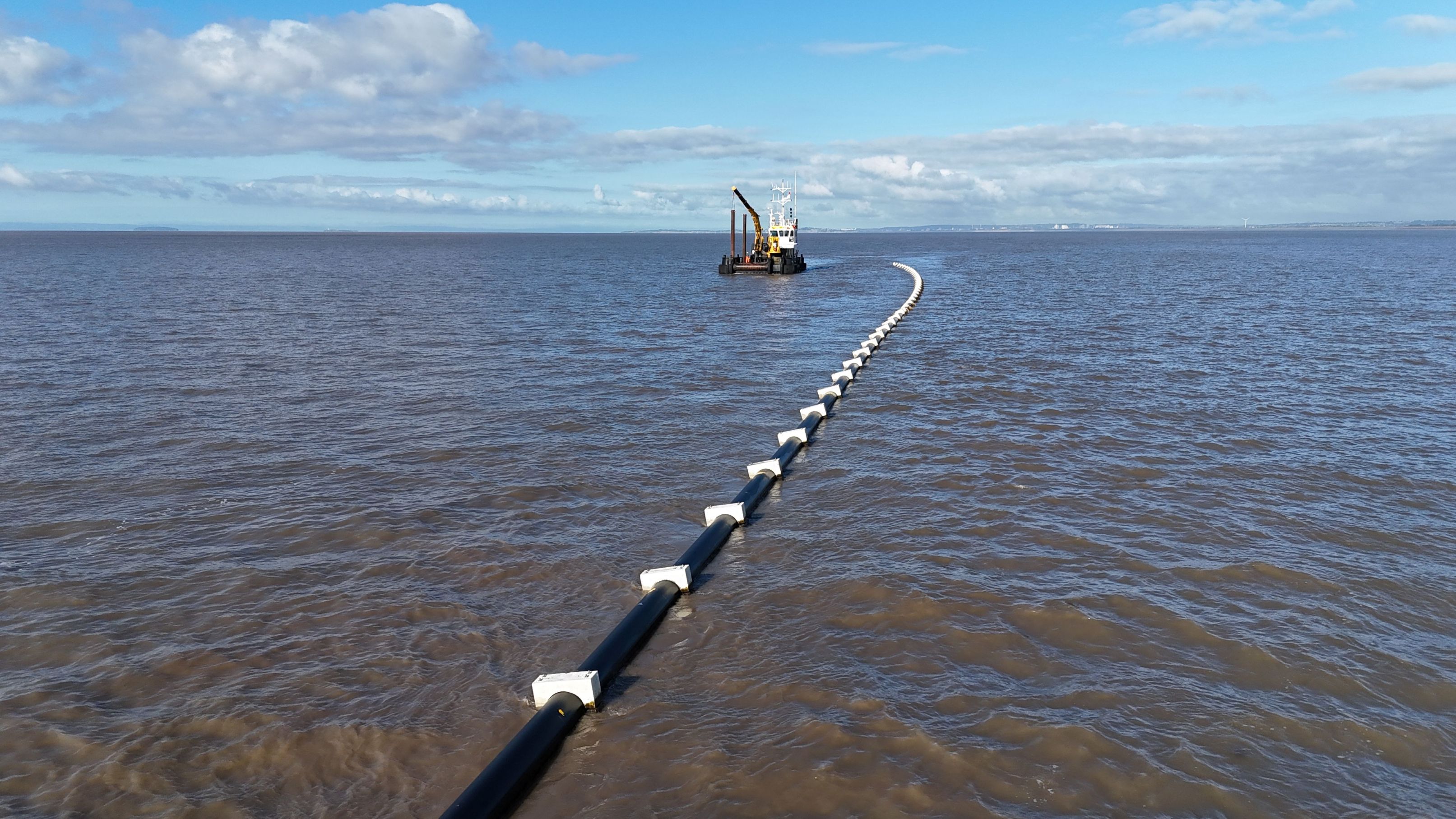
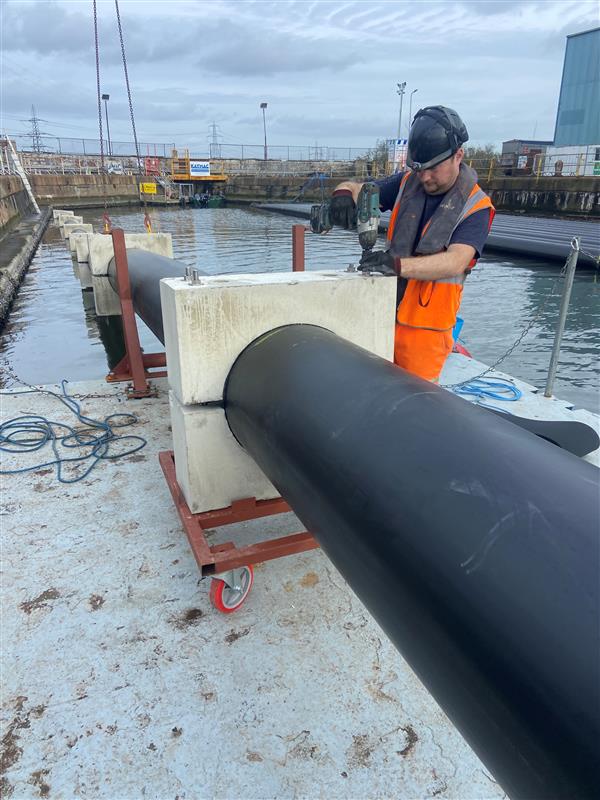
Precast in halves, the ballasts were clamped around the pipe at regular intervals, providing the necessary weight to submerge the structure and ensure it remained firmly in place for years to come – even during the strongest tidal currents.
Considering the unique environmental protection challenges posed by this project, this approach brought multiple benefits. They included:
• Supporting sympathetic and controlled installation: Sections of pipe were floated out to site. The two halves of the collar were then attached and clamped together using specialist equipment before they were sunk into a pre-excavated trench. Using collars allowed the pipe to be dived and ballasted systematically, in turn helping control the descent and placement of each section while minimising any impact on the environment.
• Providing weight to help keep the pipe in place: As HDPE is relatively light and buoyant, there was a chance it could float or shift during strong tidal currents. Adding the 336kg collars provided extra weight and negative buoyancy to keep the pipe stable on the seabed once submerged.
• Acting as a stabilising ballast against strong tidal and hydrodynamic forces: By acting as ballasts, the collars would not only keep the pipe within the trench but also make sure its intended alignment and position remained uncompromised for the duration of the pipeline’s 100-year lifespan.
Manufacturing the collars
The collars were pre-cast in controlled conditions in Poundfield Precast’s factory in Suffolk. This guaranteed they would consistently meet the highest quality and accuracy standards while also providing strength and durability.
Steel reinforcement cages were added to the inside of the mould to provide additional structural strength. High-strength, low-permeability concrete was used to increase durability in a saltwater and tidal environment. The concrete was also self-compacting to reduce the risk of air voids.
The collars were cured under controlled conditions to achieve maximum strength with full inspections taking place before dispatch to ensure the highest standards of quality control.
A total of 540 half collars were cast and transported to ABP Newport, where they were installed along the entire length of the pipeline.
Making the most of Poundfield’s expertise
Thanks to meticulous planning by Kaymac, which included comprehensive site investigations and advanced surveys, each supplier was able to use their expertise to develop a tailored solution to address the unique challenges posed by this ambitious project.
As a result, the new HDPE long sea outfall is not only resilient and sustainable but also balances infrastructure needs with stringent environmental protection standards.
Rhys Colcombe, Projects Director at Kaymac, said: “We are incredibly proud to have delivered this scheme as a company. I’d like express gratitude to our suppliers, whose support and reliability have been instrumental in the success of this project.
“Everything we received from our suppliers has been excellent. Getting precast concrete elements made was a risk as the tolerances on the scheme were so fine, but I’m pleased to say everything worked perfectly on delivery and inspection.
“This scheme stands as a true testament to what can be achieved with an exceptionally driven, dynamic and innovative team. It is a project I will be forever proud of.”
For further information on Kaymac, please click here
For more information about Poundfield Precast’s bespoke concrete department and the variety of services it offers, visit poundfield.com, call 01449 723 150 or email enquiries@poundfield.com
Replacing the long sea outfall in the Severn Estuary

| T | (01449) 723150 |
|---|---|
| E | enquiries@poundfield.com |
| W | Visit Poundfield Precast's website |
| The Grove, Creeting St Peter, Ipswich, IP6 8QG |
Products by this Company
-file171863.jpg)
-file171864.jpg)
-file171865.jpg)
-file171866.jpg)
-file171867.jpg)
-file171868.jpg)