-file170201.jpg)
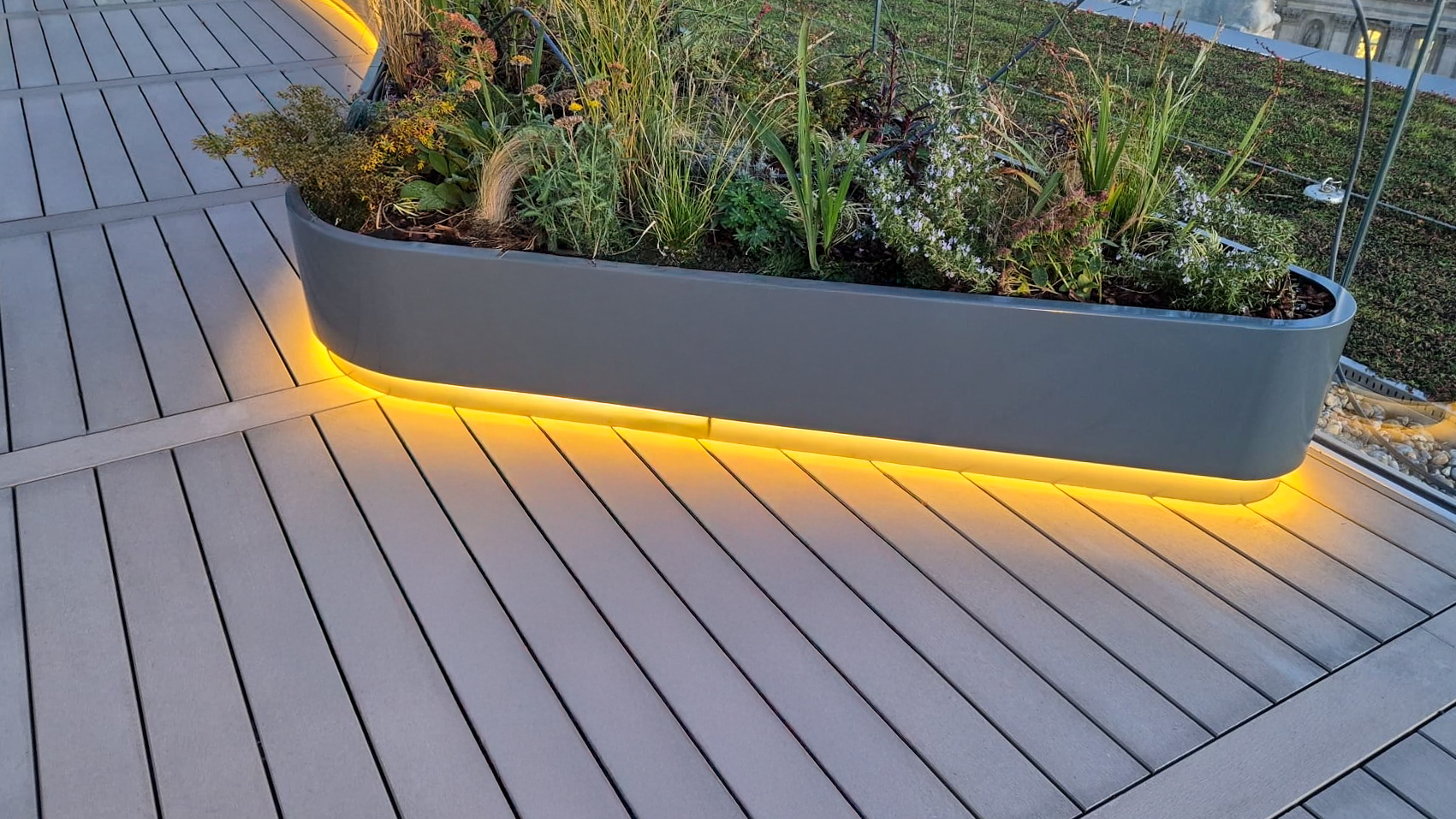
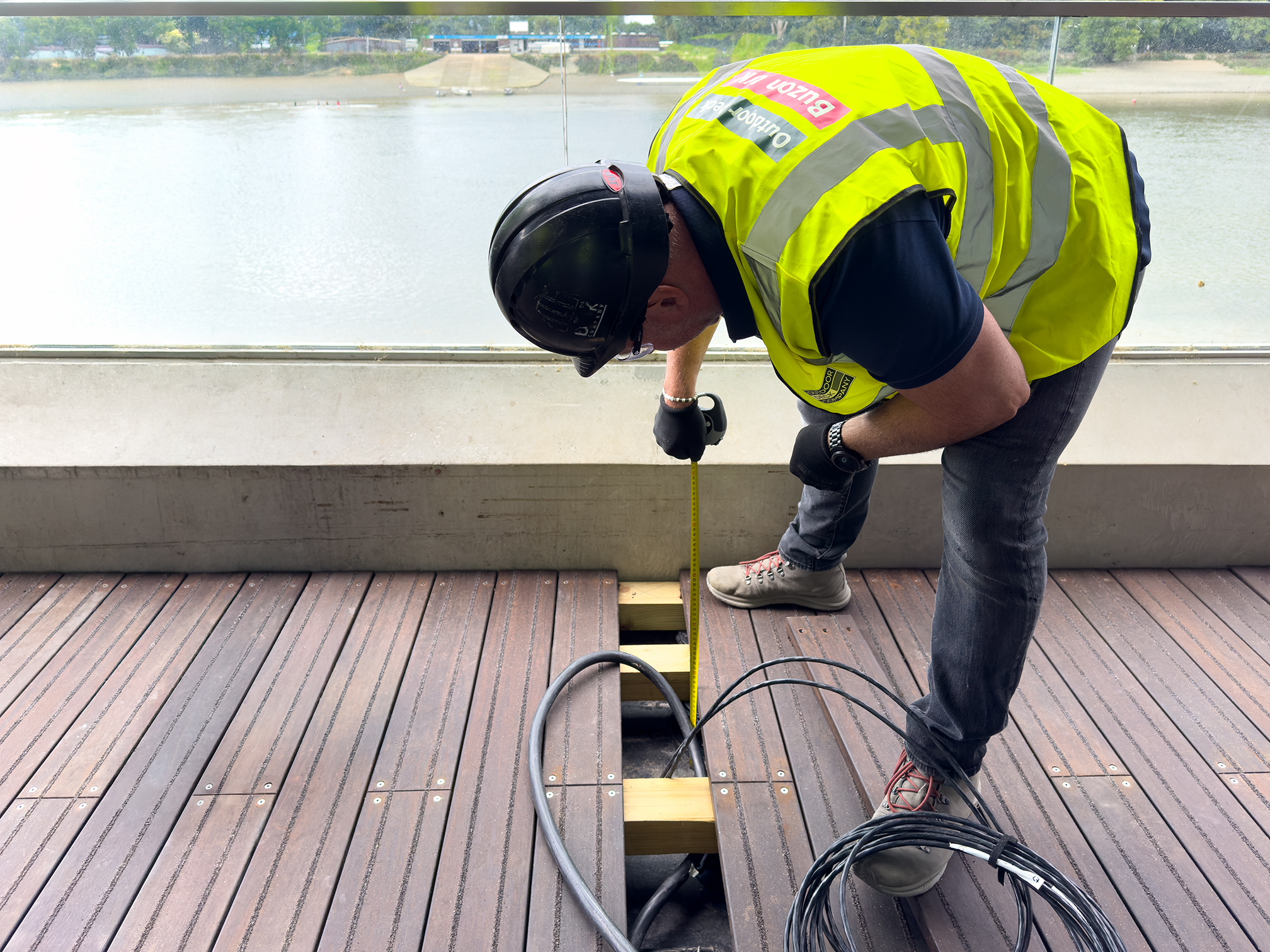
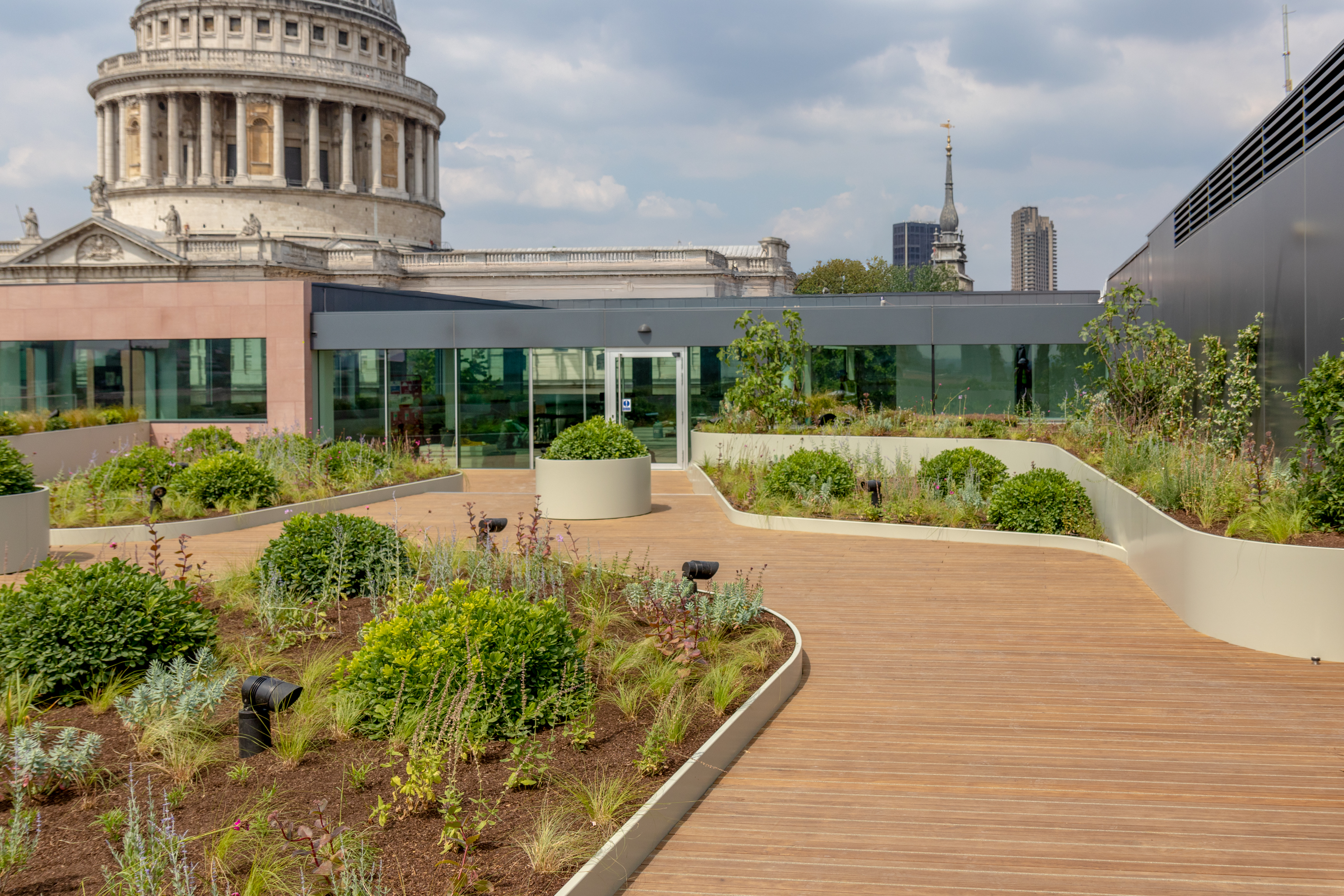
Roof terraces have become a common feature of commercial developments, particularly in dense urban environments where access to outdoor space is limited. Drawing on numerous projects including 41 Lothbury, 2-6 Cannon Street and the redevelopment of Fulham Football Club’s Riverside Stand, here are three lessons we've seen emerge time and again in roof terrace projects.
1. Fire performance must be considered as a complete system
For roof terraces, the key classification is BROOF(t4), which applies to a fully tested roof build-up from membrane through to the finished surface.
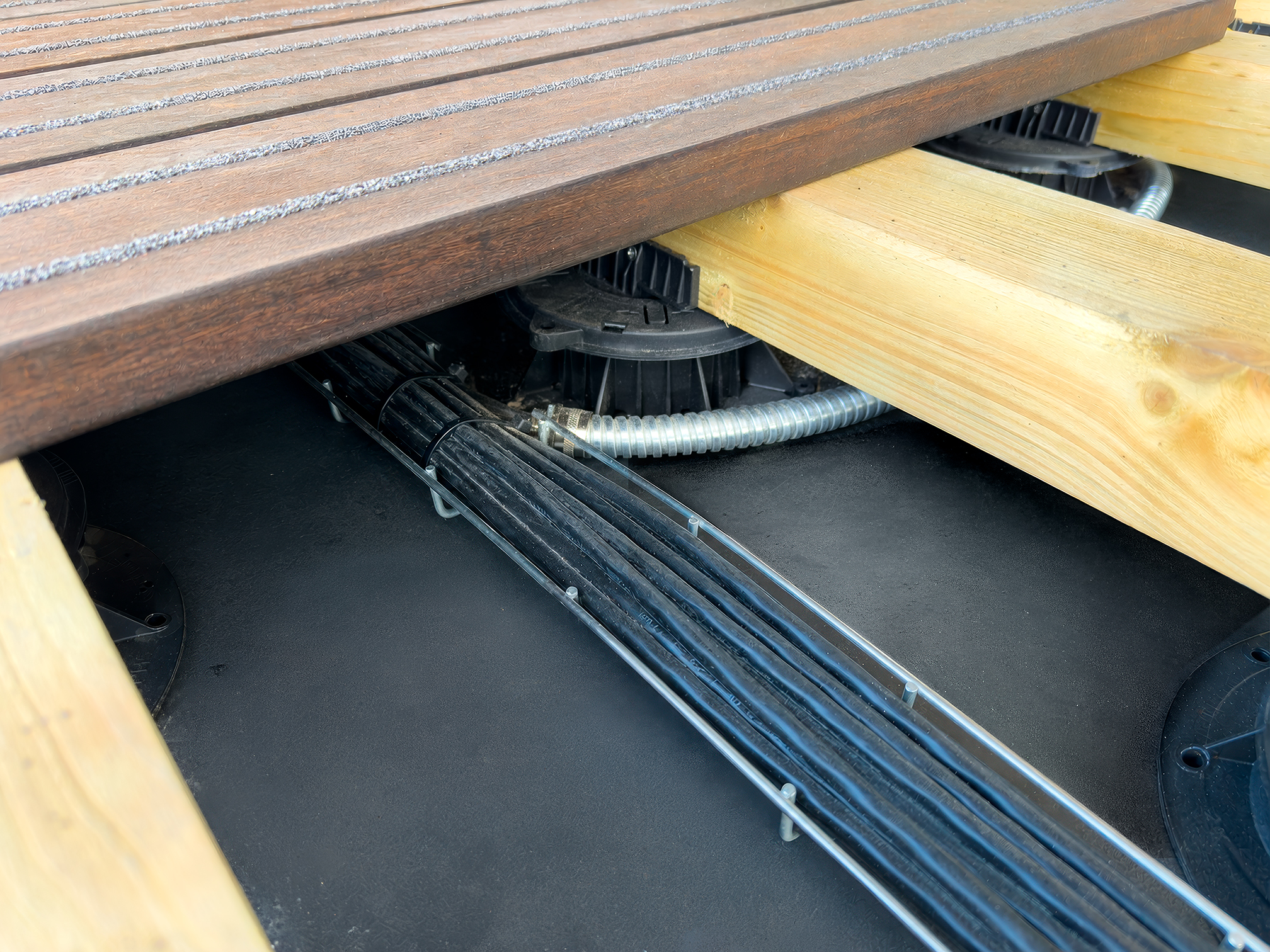
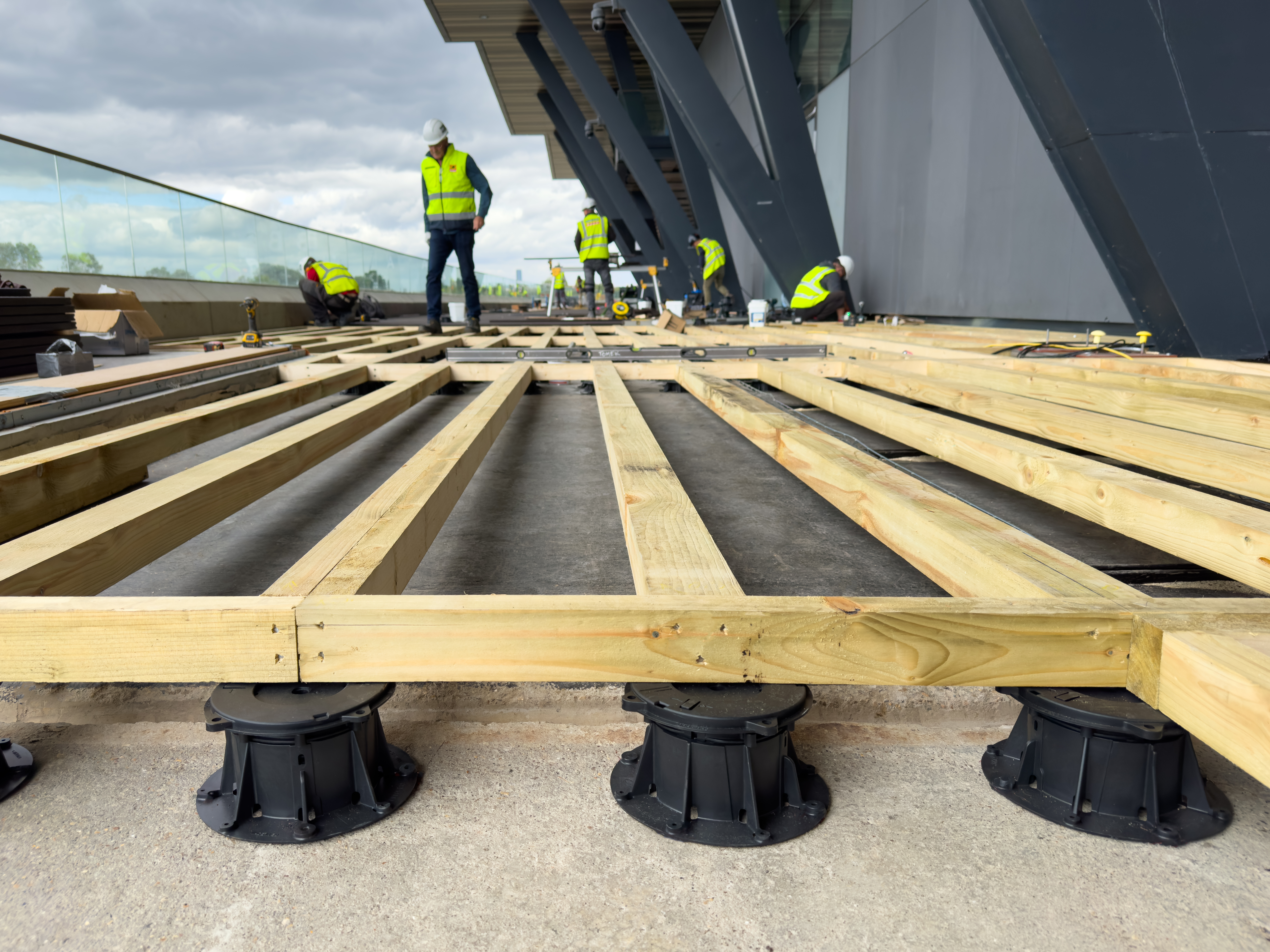
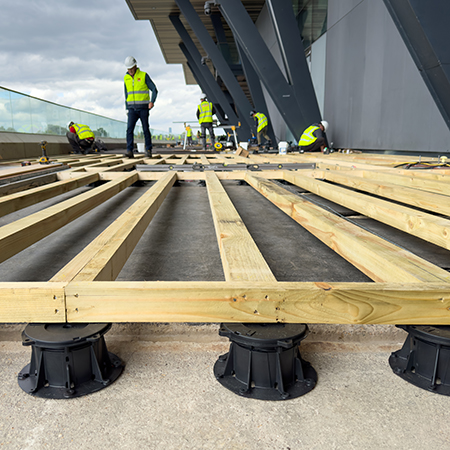
This means fire performance is not determined by the deck board alone. Pedestals, substructures and other components all form part of the tested assembly, and substitutions may affect compliance with regulations.
2. What lies beneath matters
While the deck surface is the most visible element, drainage, support structures and build-up constraints can have an equally significant impact on long-term performance.
Considering these elements early can help avoid compromises later in the project.
3. Material selection involves multiple considerations
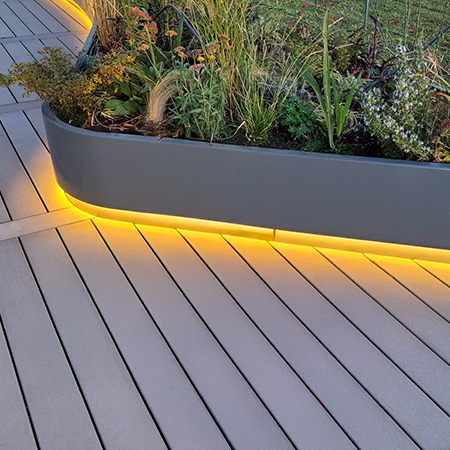
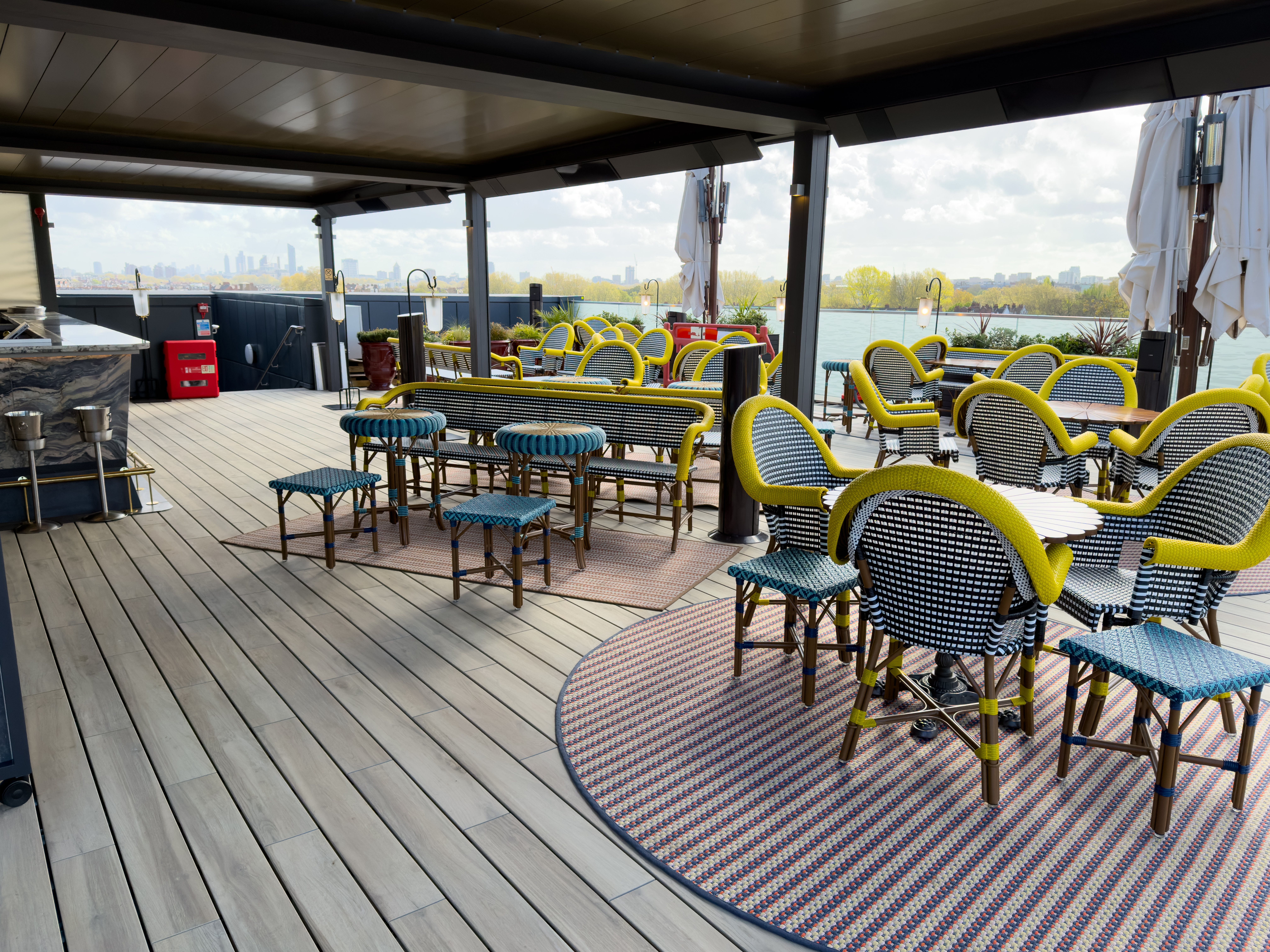
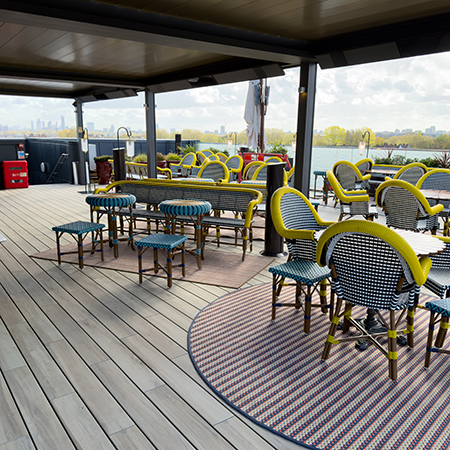
Aesthetics remain important, but durability, maintenance and fire performance also influence specification decisions. Composite and porcelain decking systems can now replicate the appearance of natural timber while helping meet technical requirements.
Across all roof terrace projects, one principle remains consistent: the most successful schemes treat the deck as part of a complete system rather than a standalone surface finish.
Three Lessons from Roof Terrace Projects

| T | (020) 8977 0820 |
|---|---|
| F | (020) 8977 0825 |
| E | info@outdoordeck.co.uk |
| W | Visit The Outdoor Deck Company's website |
| Unit 6, Teddington Business Pk, Station Rd, London, TW11 9BQ |
Products by this Company



crop-file170201.jpg)