Home has become more than just a place to live. Increasingly, it is somewhere to unwind, recharge and create a sense of comfort amidst busy everyday life.
This is the perfect moment to pause and take stock. Before jumping straight into paint charts and Pinterest boards, it helps to think about how you want your home to feel over the year ahead. Throughout 2026, interior trends are proving to be less about rules and more about creating spaces that feel personal, comforting and deeply lived in.
Here are 7 key considerations shaping how we're rethinking our homes for 2026.
1. Personal, expressive interiors
2026 continues the shift away from generic, showroom-style homes. Instead, interiors are becoming more individual and story-led. This is about celebrating your personality through art, collected objects, books, vintage finds and pieces with meaning.
Rather than copying a look, the trend encourages you to curate your space slowly. Homes are designed to feel authentic, layered and reflective of the people who live there.
2. Warm, earthy colour palettes
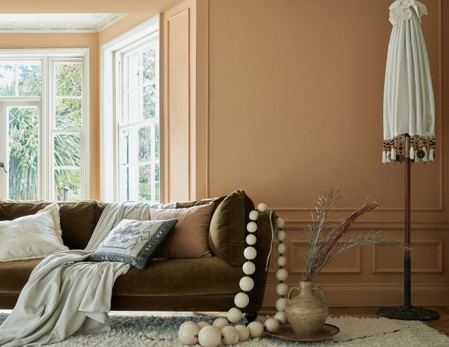
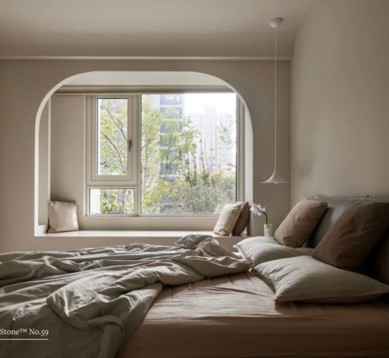
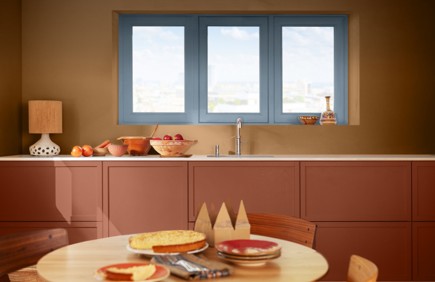
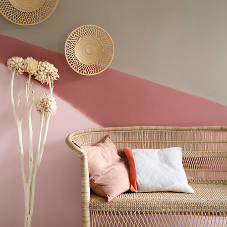
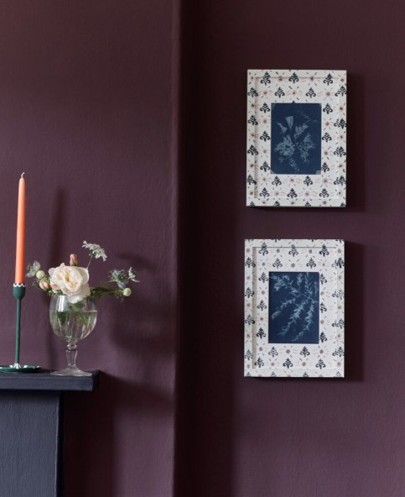
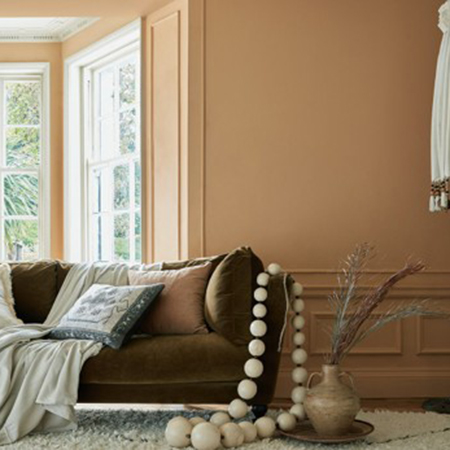
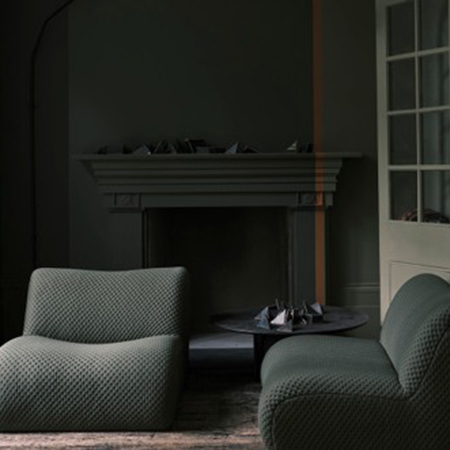
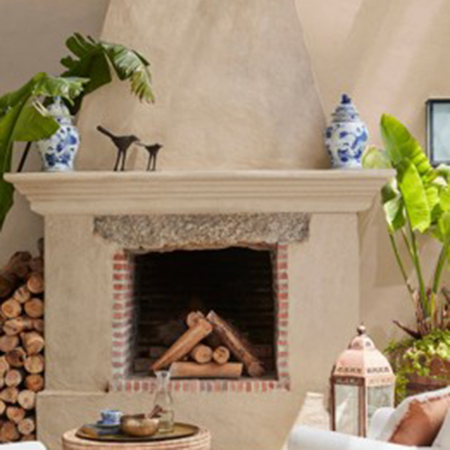
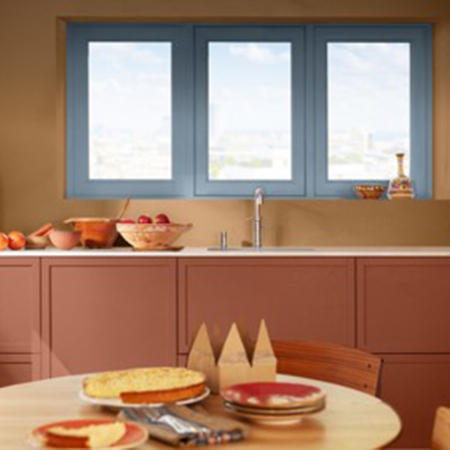
Think sand, clay, mushroom, caramel and soft browns forming a comforting base. Alongside these neutrals, deeper shades such as olive green, inky blues, rich browns and dusty pinks are used to add depth and atmosphere. Rooted in the natural world, these colours create spaces that feel grounded, balanced and quietly restorative.
3. Colour drenching for comfort
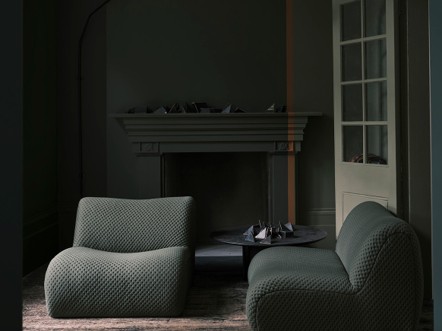
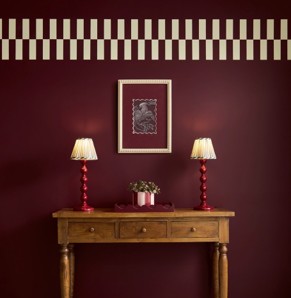
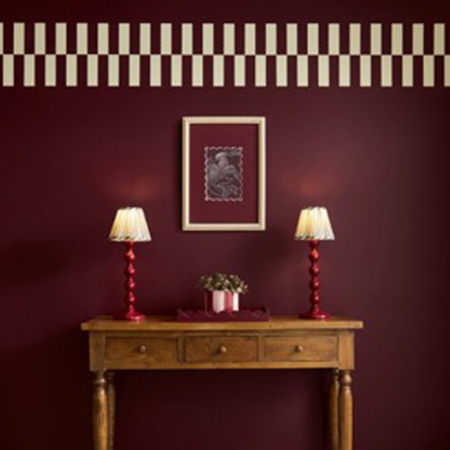
Colour drenching, where walls, woodwork and sometimes ceilings are painted in the same or closely related tones, continues to grow in popularity.
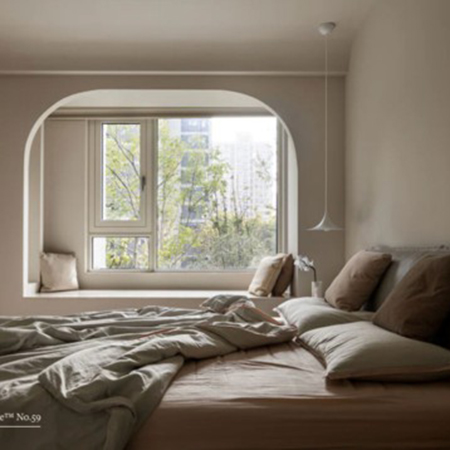
In 2026 this trend leans less dramatic and more cocooning. Used thoughtfully, it creates calm, enveloping rooms that feel intentional and restful, particularly effective in bedrooms, snug spaces and reading nooks.
4. Natural and tactile materials
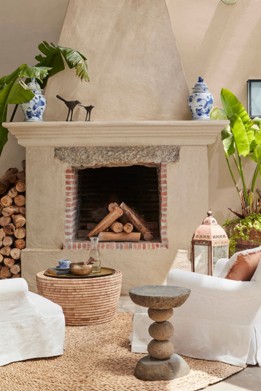
Texture plays a key role in future interiors. Natural materials such as wood, stone, clay, ceramics and woven fibres bring warmth and sensory comfort.
Imperfection is embraced. Handmade finishes, visible grain and subtle variations in texture help spaces feel grounded and human, balancing out more polished elements.
5. Curves and soft forms
Sharp lines are softening. Furniture, lighting and architectural details are increasingly curved, sculptural and organic in shape.
Rounded sofas, arched mirrors and gently flowing forms introduce a sense of ease and movement. This trend works particularly well when paired with warm colours and tactile materials, enhancing the overall feeling of comfort.
6. Atmospheric lighting
Lighting is no longer just practical. In 2026 it becomes a defining design feature.
Layered lighting schemes using table lamps, wall lights and sculptural pendants help replace the sparkle we miss after Christmas. Warm, ambient lighting adds softness and creates mood, making spaces feel welcoming long after the festive season ends.
7. Wellbeing-led design
At the heart of 2026 interiors is wellbeing. Homes are being designed to support how we feel, not just how they look.
This includes prioritising natural light, acoustics, comfort and calm. Sustainable materials, thoughtful layouts and sensory elements all contribute to spaces that feel nurturing and restorative.
Top 7 Interior Ideas for a More Intentional Home

| T | 01323 576555 |
|---|---|
| E | customer.service@brewers.co.uk |
| W | Visit Albany Paint's website |
| Albany House, Ashford Road, Eastbourne, East Sussex, BN21 3TR |
Products by this Company
Categories
Paints