


Why GRC continues to set the benchmark for residential façades
Residential buildings demand more from their façades than almost any other building type. They must perform technically, age gracefully, satisfy planning requirements, and deliver architectural intent, often all at once.
Glassfibre Reinforced Concrete (GRC) has become a material of choice for residential schemes precisely because it balances these demands. Lightweight yet robust, expressive yet controlled, GRC allows architects and façade contractors to achieve clarity of design without compromising on buildability or long-term performance.
At Reinforced Ltd, we work closely with design teams and contractors to ensure that GRC is not only visually successful, but technically resolved, installable, and durable in real-world conditions.
________________________________________
Design freedom with technical discipline
One of GRC’s greatest strengths is its ability to deliver clean, consistent architectural language across façades, balconies, soffits, and feature elements. Complex junctions, curved geometries, crisp reveals, and deep profiles can be achieved without excessive weight or structural penalty, making GRC particularly well suited to multi-storey residential developments.
However, successful GRC façades rely on more than appearance. Early-stage detailing, movement allowances, fire strategy, and fixing design are critical to ensuring longevity and performance. This is where specialist design input makes the difference.
________________________________________
Residential case studies | Chelsea
Two of our recent residential projects, both located in Chelsea and less than a 50-minute walk from one another demonstrate how GRC can express very different architectural qualities while delivering the same core performance benefits.
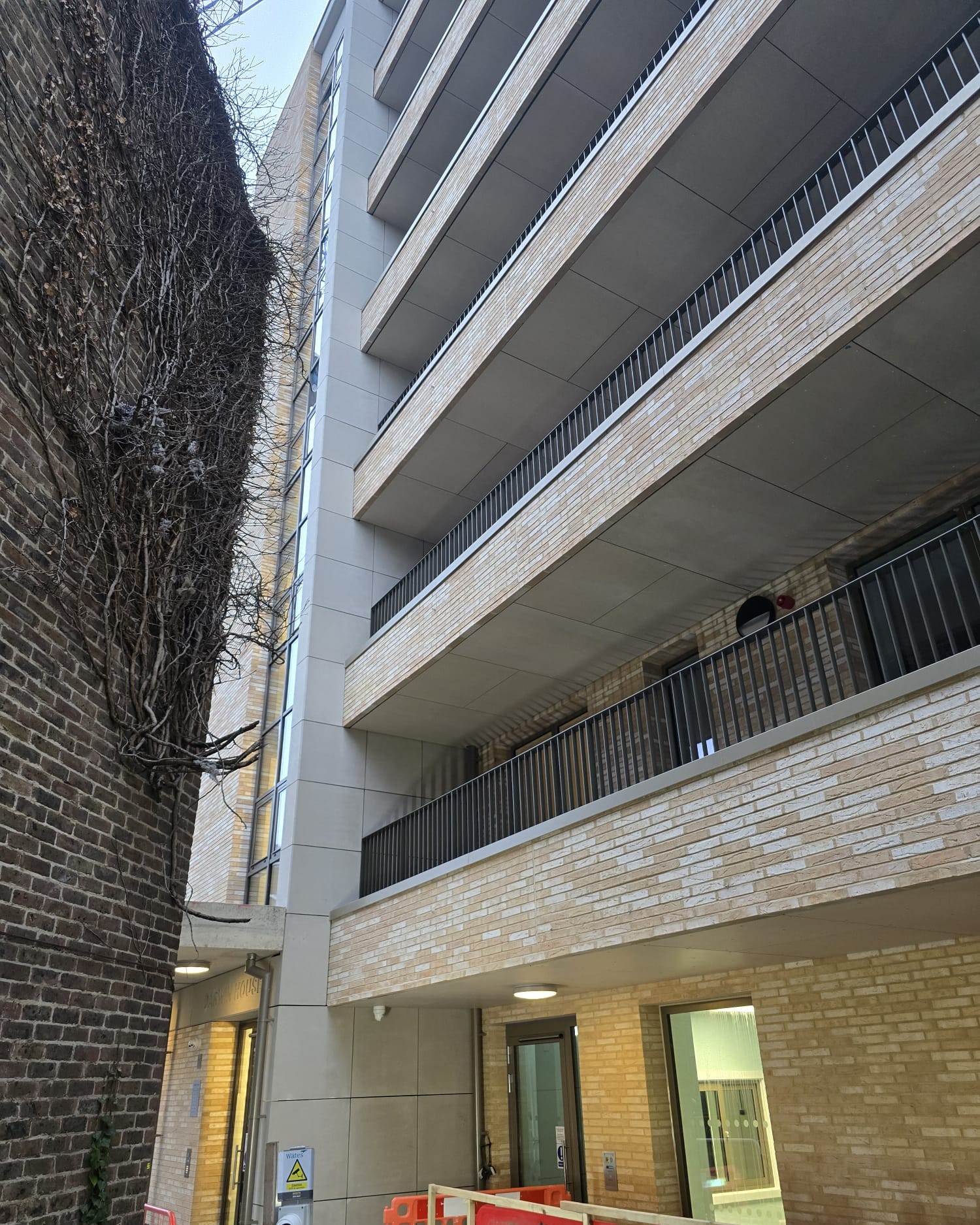
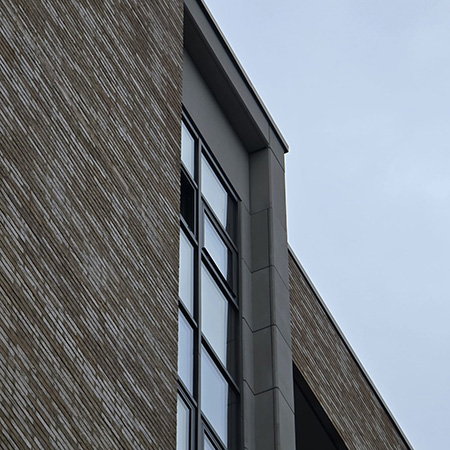
Balmoral Castle & Derwin House, Chelsea
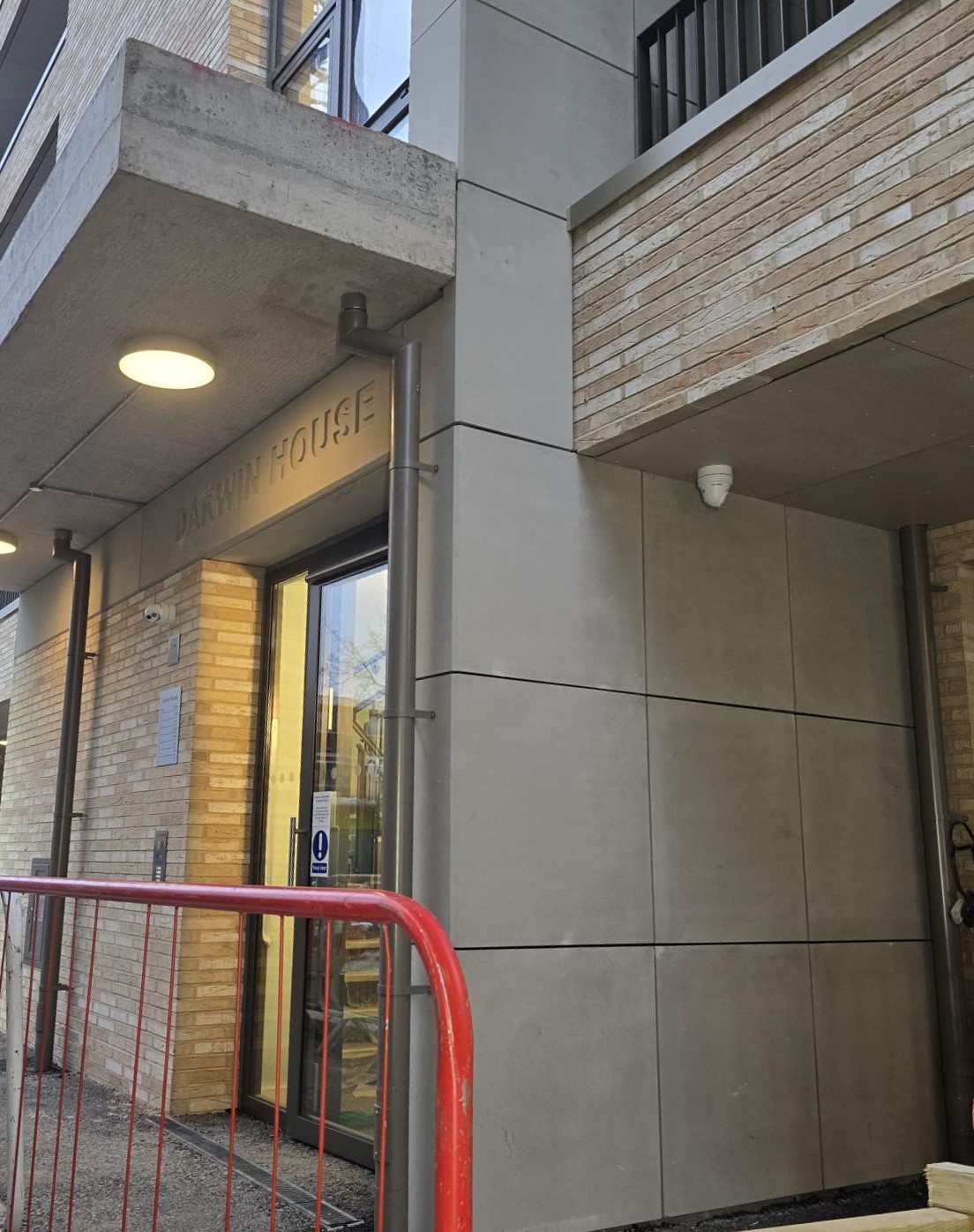
This project uses GRC to bring clarity, structure, and refinement to a dense urban façade. Crisp edges, strong vertical alignment, and the grey polished look of concrete all within 50kg/m2.
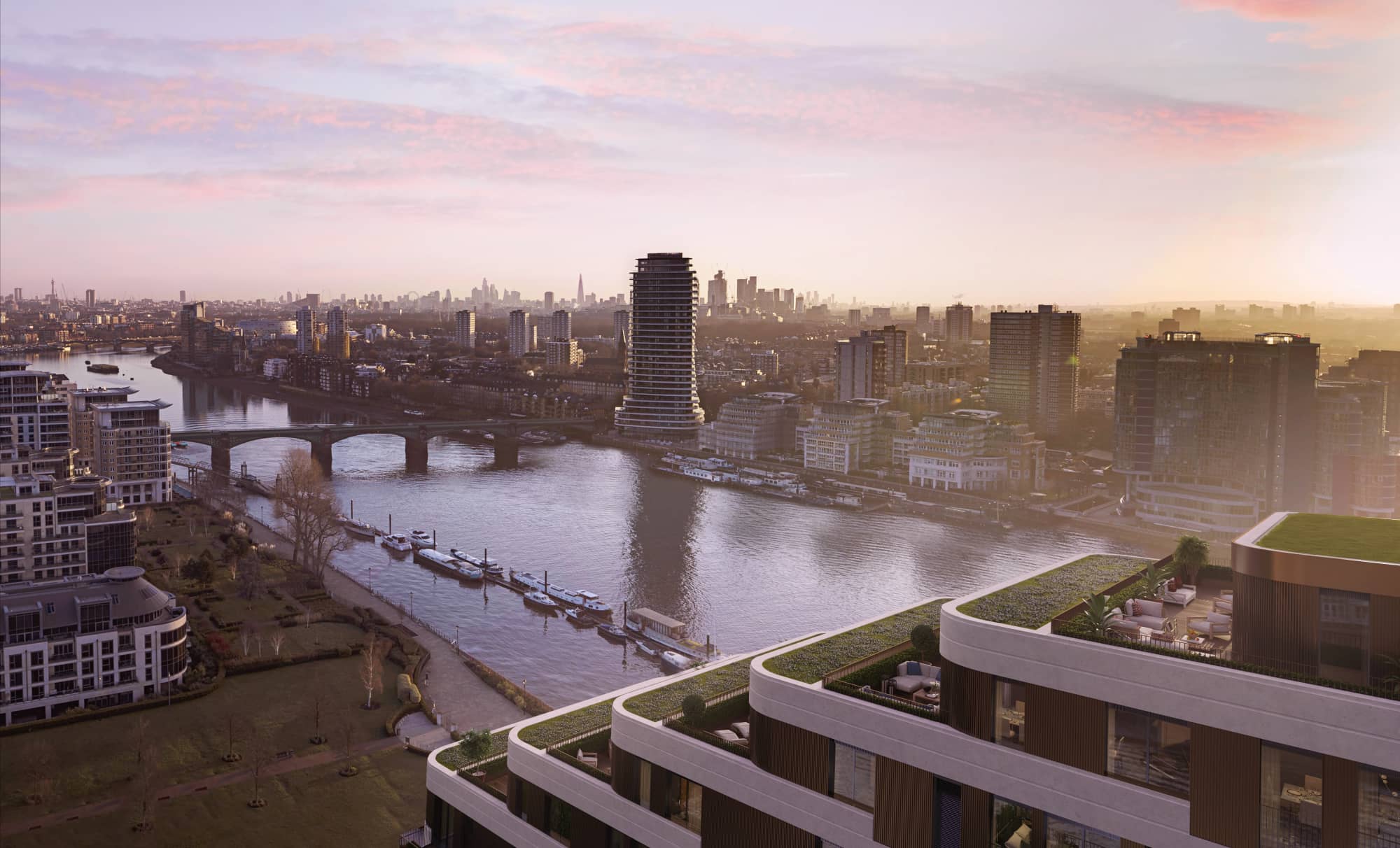
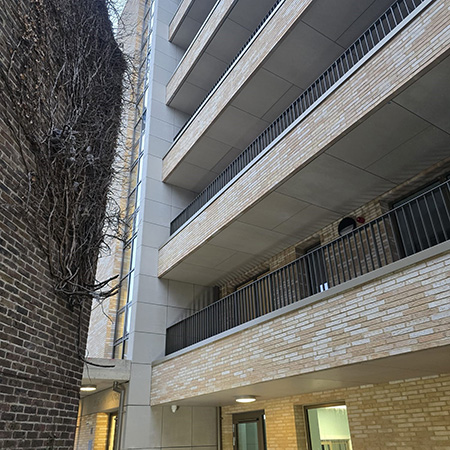
Quay Side Lodge, Chelsea
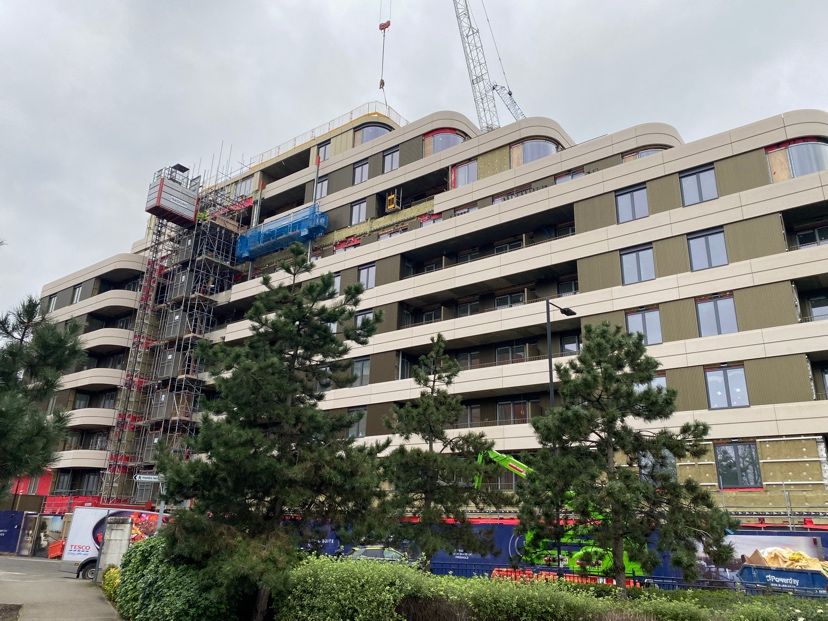
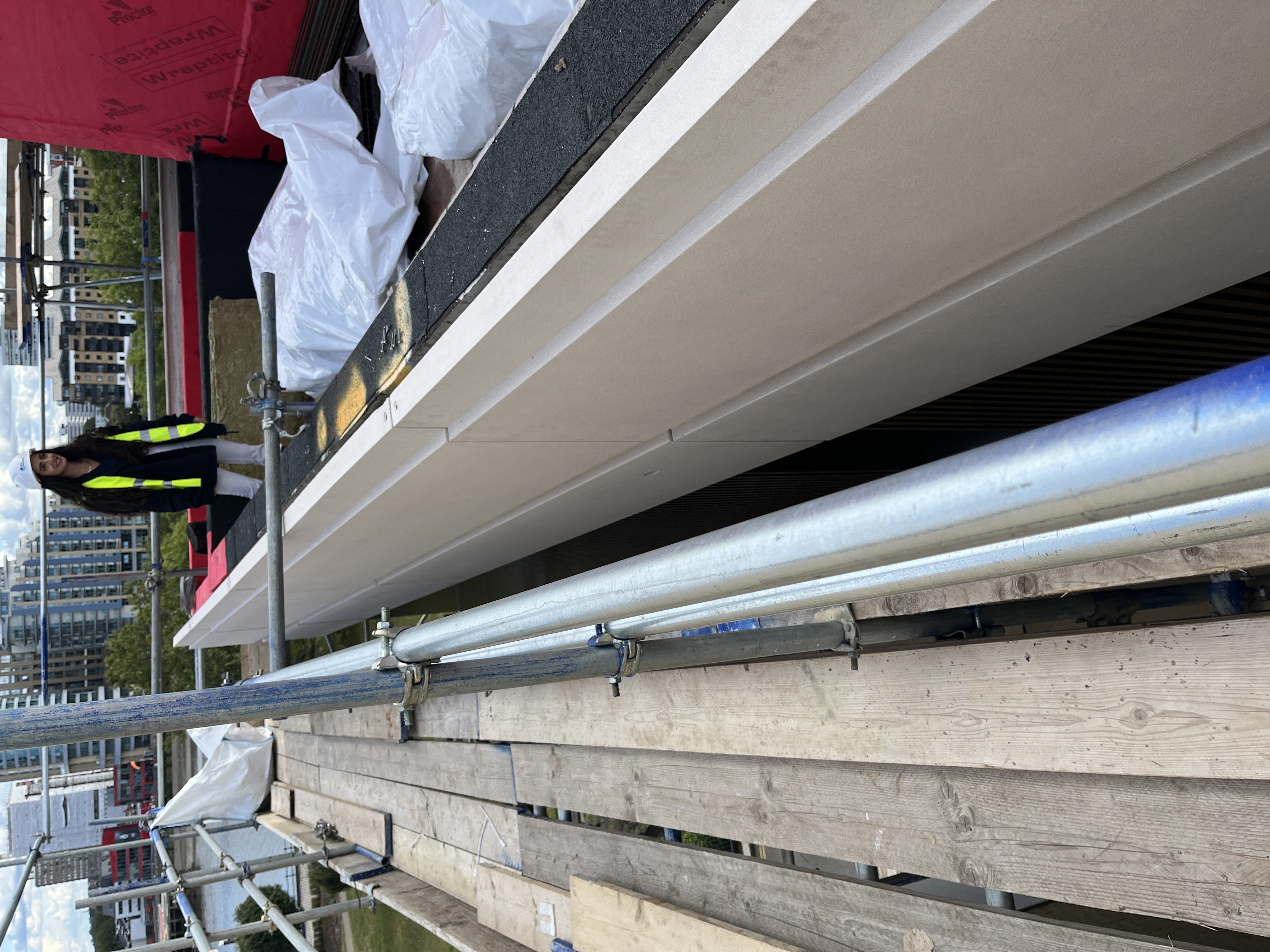
Although close in proximity, Quay Side Lodge captures a different expression of GRC’s capabilities. Curved geometries, limestone pigment and repetition in design across 2000 m2 of material. Together, the two projects demonstrate how GRC can adapt to contrasting design ambitions while maintaining consistency in performance and build quality.
________________________________________
Built for longevity and compliance
For residential buildings, durability and safety are non-negotiable. GRC offers excellent resistance to weathering, pollution, and impact, while remaining non-combustible when correctly specified as part of a compliant façade system.
Its lightweight nature also reduces structural load and simplifies installation, benefits that are increasingly important as programmes tighten and site constraints become more complex.
________________________________________
A collaborative approach
The most successful façades are the result of early collaboration. By engaging during concept or technical design stages, we help teams optimise panel layouts, resolve interfaces, and reduce risk before construction begins.
Whether supporting architects with design development or working alongside façade contractors on delivery, our role is to ensure that GRC façades perform as well as they look.
________________________________________
If you’re considering GRC on a current or upcoming residential project, we’d be happy to share our experience and discuss how the material can best support your design intent.
GRC façades for residential buildings: precision, performance, longevity
Reinforced Design Services
View company profile| T | 07931009674 |
|---|---|
| E | enquiries@reinforceddesign.com |
| W | Visit Reinforced Design Services's website |
| Dickens House, Guithavon Street, Witham, Essex, England, CM8 1BJ |
Categories
Balconies Residential buildings