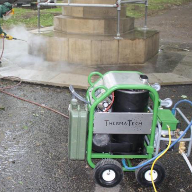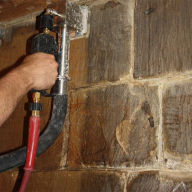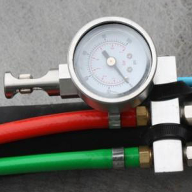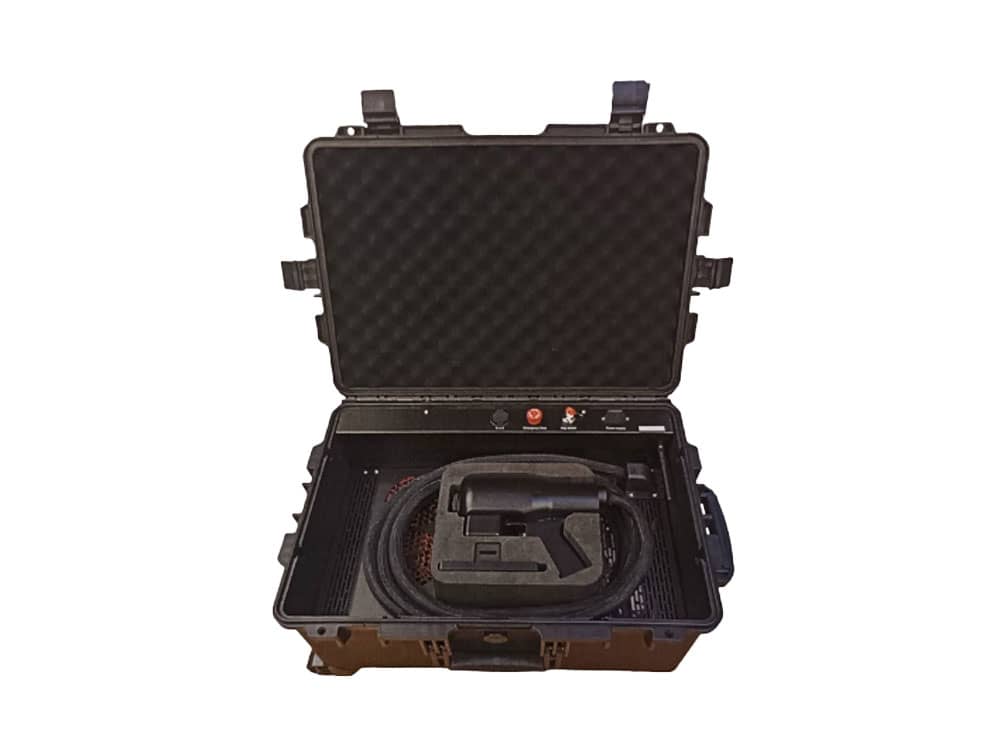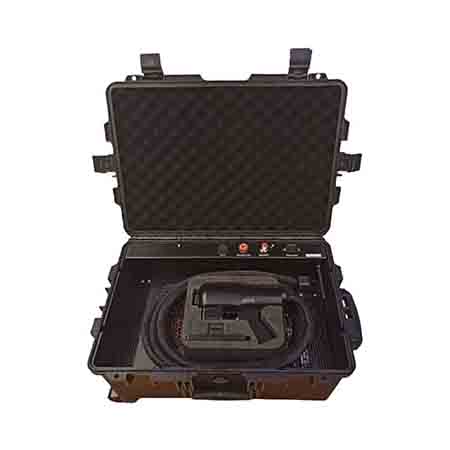
Restorative Techniques has launched its Laser Cleaning Machine, purpose-designed for the careful removal of surface contaminants and markings that may not be suitable for conventional cleaning methods.
Stonework, from historic monuments to modern architectural façades, can be affected by pollution, biological growth, graffiti and accumulated grime. While traditional methods such as chemical washing, abrasive blasting and manual cleaning can be effective, laser cleaning provides a precise, non-contact alternative for conservation and restoration applications.
Whether treating historic buildings, landmarks or sculptures, the Restorative Techniques Laser Cleaning Machine enables targeted removal of stubborn deposits from delicate substrates. Developed in-house by the company's team of designers and engineers, the system is available in 200W and 300W models to suit different cleaning requirements.
Advantages of Laser Cleaning for Stonework
Precision and selectivity: Laser cleaning provides a high level of control, making it suitable for intricate carvings, inscriptions and uneven surfaces.
Non-contact process: With no physical contact between the cleaning system and substrate, the risk of abrasion, scratching or mechanical damage is reduced.
No chemical use: The process avoids introducing cleaning chemicals, making it suitable for sensitive conservation environments.
Reduced residue: When correctly controlled, laser cleaning minimises secondary residues and wash-off associated with some wet cleaning methods.
Controlled depth: The laser can be calibrated to target specific layers, helping conservators retain desirable patinas and surface features.
What Lasers Are Good at Cleaning on Stonework
Laser cleaning is particularly effective where the surface contaminant is darker than the underlying material. This makes it suitable for removing carbon sulphation and carbon deposits from materials including limestone, concrete, terracotta and sandstone.
Carbon Sulphation and Atmospheric Pollution
Historic limestone can develop dark surface crusts comprising gypsum, carbon particulates and other airborne pollutants. Laser energy is absorbed by the darker crust, causing the deposits to fragment and lift away while limiting the impact on the less absorptive stone beneath.
Soot and Smoky Deposits
Buildings exposed to urban pollution, industrial activity or historic fires can develop persistent soot deposits. Laser technology can selectively target these darker particles, enabling delicate carvings and architectural details to be cleaned while helping to preserve the original craftsmanship of the stonework.
Training, Hire and Operation
Restorative Techniques offers its Laser Cleaning Machine for both purchase and hire. Full operator training is required to meet applicable regulations and ensure safe and effective use. Training at the company's Bristol headquarters is included within the purchase or rental price. Alternatively, customers can hire a certified and trained Restorative Techniques operator to undertake the work.
Each model features a user-friendly interface providing control over six separate parameters and eight different patterns, allowing settings to be adapted to the substrate and contaminant being treated.
The Laser Cleaning Machine has already been used on a number of significant heritage projects, including cleaning pollution from the exterior and sculptures of the Natural History Museum, removing carbon sulphation from the historic Christchurch Gate at Canterbury Cathedral and cleaning decorative sculptures and quatrefoils at Lincoln Cathedral. It has also been used on the Sun Dials project to remove carbon and iron staining from a historic 17th-century sandstone sundial.
For further information about the Laser Cleaning Machine, including purchase, hire and training options, contact Restorative Techniques on +44 (0)1454 417831.
Introducing the New Suitcase Laser Cleaning System from Restorative Techniques

| T | (01454) 417831 |
|---|---|
| F | (01454)412445 |
| E | info@restorativetechniques.co.uk |
| W | Visit Restorative Techniques Ltd's website |
| UK & Worldwide, Gloucester Road, Rudgeway, Bristol, BS35 3SG |