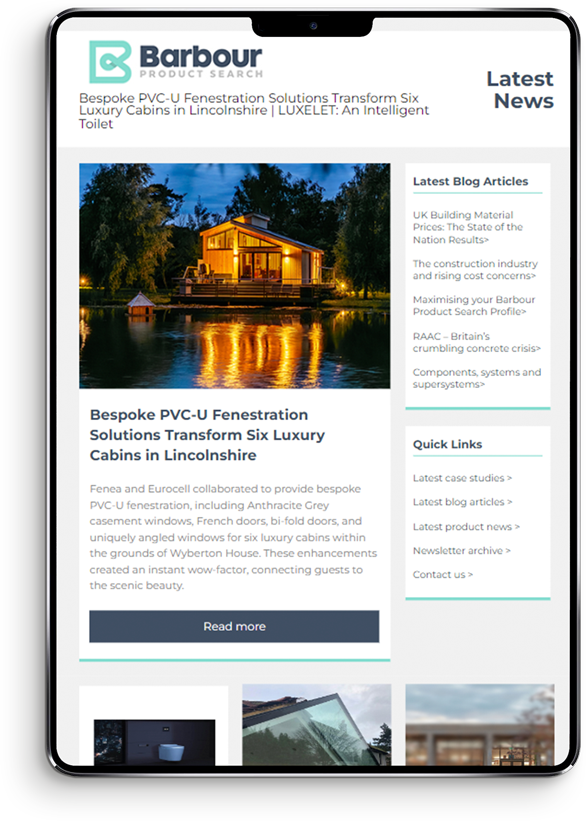
Achieving longevity in plumbing begins with a long-term approach. Specifiers designing modern homes are under pressure to create plumbing systems that remain durable, reliable and future-proof. This article explores the demands placed on specifiers and the essential considerations required to deliver long-lasting plumbing systems.
Today’s homes are busier than ever. They often house multiple generations, contain more appliances, and rely on increasingly sophisticated technology. All of this places added strain on plumbing and heating systems. To deliver comfort, efficiency and reliability, specifiers must focus on system durability and longevity in plumbing.
In short, the most successful specification strategies plan for the future.
Long-lasting systems reduce maintenance, prevent costly replacements, and minimise whole-life environmental impact. Equally important, they support occupant safety and comfort, offering the reassurance that plumbing will perform efficiently for years to come.
Why longevity in plumbing matters
To understand the value of longevity in plumbing system design, it helps to consider the alternative. What happens when plumbing is under-specified?
Without a focus on longevity, systems will likely:
• Deliver reduced reliability
• Require frequent maintenance
• Experience leaks and failures
• Increase callouts and disruption
Leaks are one of the most common consequences. Not only do leaks waste water, but they can cause significant property damage, compromise safety and weaken performance. Inefficient systems may also cost more to run, wasting energy and water.
As the UK progresses towards net-zero, under-specified systems risk future non-compliance with tightening regulations. These issues underline why specifying longevity in plumbing systems must be prioritised.
Read the full story
Longevity in Plumbing: Designing Systems That Last
 (002)-comp104848.png "RWC – Reliance Worldwide Corporation")
| T | (01895) 425333 |
|---|---|
| E | Info@RWC.com |
| W | Visit RWC – Reliance Worldwide Corporation's website |
| Horton Road, West Drayton, Middlesex, UB7 8JL |


Categories
Roofs Fixed partitions Prefabricated plumbing units