The Science Based Targets initiative (SBTi) has validated SCHOTT’s updated climate targets, marking a major milestone in the technology group’s climate strategy.
SCHOTT is placing a stronger focus on reducing emissions across its value chain, while continuing efforts to decarbonise its energy-intensive glass manufacturing operations. As part of the updated strategy, the company will discontinue its previous internal goal of achieving “climate neutral by 2030” and move to an enhanced, science-based framework.
SCHOTT’s Scope 1 and Scope 2 emissions reduction target, originally approved by SBTi in 2023, remains part of its climate strategy through to 2030. In addition, the company has committed to reducing selected Scope 3 emissions across its value chain by 27.5% by 2030.
Since 2019, SCHOTT has been working to decarbonise both its glass manufacturing operations and upstream and downstream processes. Based on the Greenhouse Gas Protocol, the company has reduced direct emissions from its own operations (Scope 1) and indirect emissions from purchased electricity and heat (Scope 2) by approximately 70% compared with 2019 levels.
A key contributor has been SCHOTT’s transition, beginning in 2021, towards procuring electricity backed by Energy Attribute Certificates (EACs) from renewable sources, alongside Power Purchase Agreements (PPAs). Renewable electricity will continue to form a central part of the company’s decarbonisation strategy, supported by technological innovation and improvements in energy efficiency.
"The climate targets we set several years ago provided an important foundation for our transformation,” said Dr. Torsten Derr, CEO of SCHOTT AG. “We are now taking the next step. We will continue to rely on renewable electricity while advancing the technological development of our manufacturing processes.
“At the same time, we are placing an even greater emphasis on reducing emissions throughout our value chain. The Science Based Targets initiative’s validation of our updated climate targets marks an important milestone on that journey."
Carbon credits generated through climate protection projects outside SCHOTT’s own value chain are not included within the validated targets. As a result, SCHOTT will discontinue its internal 2019 goal of achieving carbon-neutral production across Scope 1 and Scope 2 by 2030, which had included carbon offsets as a key component.
Greater Focus on the Value Chain and Electrification
SCHOTT sees its greatest future emissions reduction potential within Scope 3. In fiscal year 2025, more than 80% of the company’s corporate carbon footprint came from emissions across its value chain, partly because Scope 2 emissions have already been significantly reduced.
Future efforts will therefore increasingly focus on suppliers and other upstream and downstream activities, with SCHOTT committing to reduce selected Scope 3 emissions by 27.5% by fiscal year 2030.
"We see significant opportunities to reduce Scope 3 emissions together with our suppliers,” said Dr. Martin Bleider, Head of Sustainable Procurement. “That’s why we will continue expanding our engagement across the value chain through pilot projects."
Initiatives will include a particular focus on emissions associated with purchased goods. Product Carbon Footprints (PCFs) for purchased materials will become part of supplier evaluations, while sustainability dialogue with suppliers will be intensified. SCHOTT will also continue to provide knowledge sharing and practical support covering renewable electricity, SBTi target setting and PCF calculations.
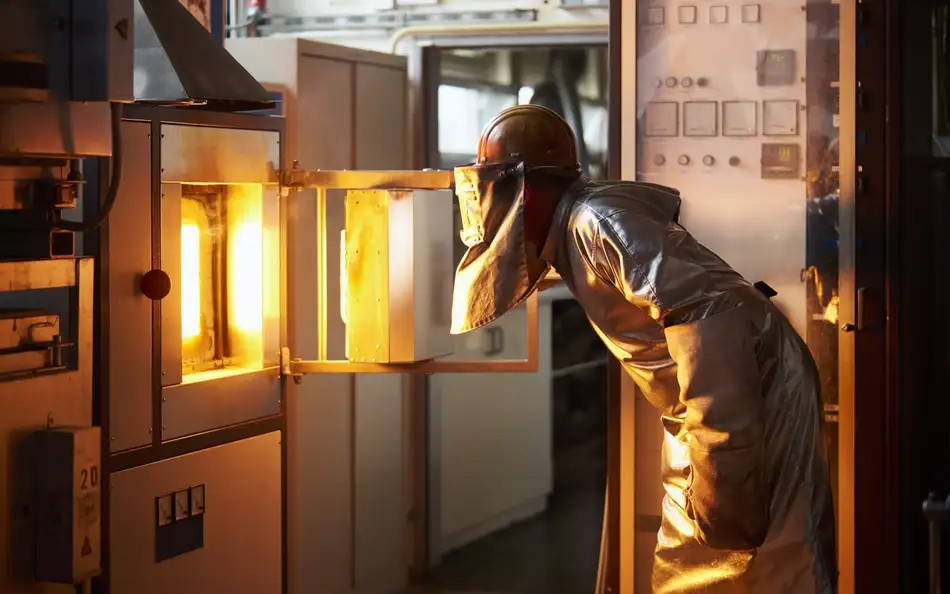
Alongside its Scope 3 strategy, SCHOTT continues to explore opportunities to reduce emissions from its own operations. Decarbonising the glass melting process remains a key priority, with electrification identified as one of the most important technological routes for reducing direct manufacturing emissions.
The first electric pilot melting tank, incorporating a small proportion of gas firing for SCHOTT’s Tubing Business Unit, is scheduled to begin operation in Mitterteich, Bavaria, during 2027. SCHOTT is investing approximately €40 million in the project, which will enable the technology to be tested under industrial operating conditions.
In parallel, the company is evaluating further technologies for reducing CO₂ emissions from glass melting, including microwave and plasma technologies.
"We are investing in technologies with the potential to further reduce emissions from our manufacturing processes over the long term,” Dr. Derr said. “At the same time, these investments strengthen industrial expertise in Germany."
Advancing Science-Based Climate Targets
The Science Based Targets initiative (SBTi) is an internationally recognised organisation for validating science-based corporate climate targets.
In 2023, SBTi approved SCHOTT’s combined Scope 1 and Scope 2 emissions reduction target, as well as a Scope 3 supplier engagement target.
SCHOTT has already exceeded its SBTi-validated Scope 1 and Scope 2 goal of reducing emissions by 46.2% compared with 2019. For Scope 3, the company is replacing its previous supplier engagement target with a measurable emissions reduction target, with selected greenhouse gas emissions across the value chain to be reduced by 27.5% by 2030.
SCHOTT updates its climate targets – SBTi validates emissions reduction path

| T | +44 (0) 3300 021340 |
|---|---|
| E | info.uk@schott.com |
| W | Visit SCHOTT UK's website |
| Wolverhampton Science Park, Glaisher Drive, Wolverhampton, WV10 9RU |
Products by this Company