As London accelerates its plans to pedestrianise a 0.7-mile stretch of Oxford Street (from Great Portland Street to Orchard Street) the city is preparing for one of the most significant urban transformations in decades.
With strong public transport, and heavyweight retailers like IKEA, Selfridges and John Lewis backing the move, the vision is becoming a reality. A new mayoral development corporation (MDC) is set to launch in early 2026 to oversee the change.
Planning ahead, it’s clear that not just any street furniture will do for what is arguably one of the most famous streets in the UK. Oxford Street needs flexible, modern and modular furniture that evolves alongside its environment and the people who use it every single day.
Outdoor seating that is built for busy
In the new pedestrian-friendly environment, seating is a powerful tool for creating structure and a sense of place.
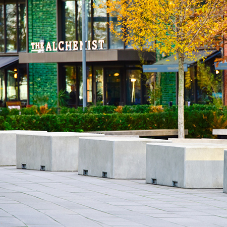
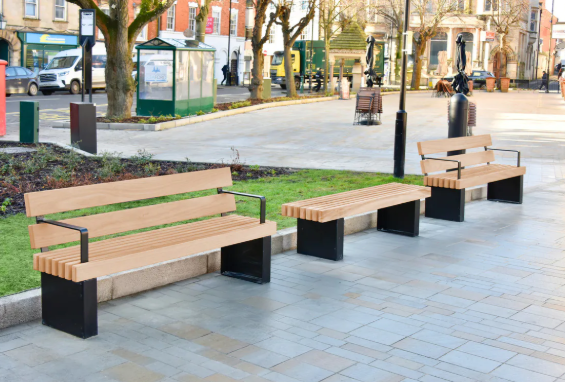
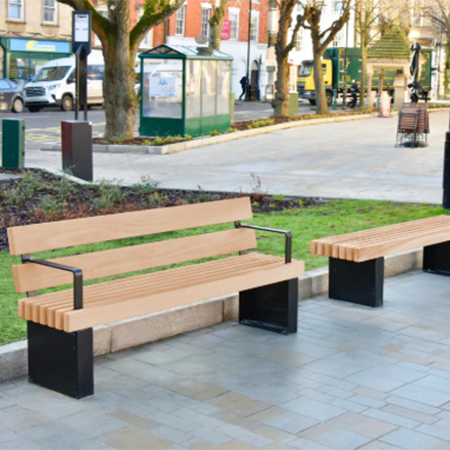
Modern benches, such as our Litchard Seats, and modular seating such as our Versa range, can anchor key spots, provide reliable rest areas and help to define the overall rhythm of the street. Fixed seating supports accessibility and comfort for all users, older adults, families with children, workers on their lunch breaks and tourists alike.
Permanent seating also offers predictability in a dynamic urban space, making the new Oxford Street feel more welcoming and intentionally designed. Plus, well-integrated seating can be paired with shade from a canopy, greenery or lighting to enhance the pedestrian experience further, turning a walk into an opportunity to relax, meet or simply watch the world go by.
Waste management that can keep up
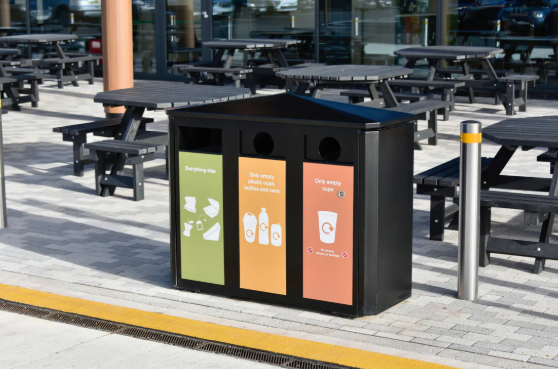
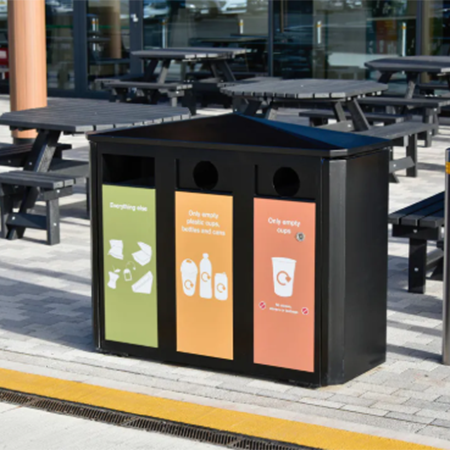
While often overlooked, litter and recycling bins are vital to a successful pedestrian zone. On Oxford Street, one of Europe’s busiest shopping areas, waste management must be both efficient and unobtrusive.
With increased foot traffic, alfresco dining and a more vibrant public realm, sturdy, well-designed bins will help to shape the overall experience of the street.
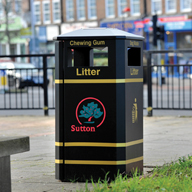
Broxap litter bins are manufactured from durable materials that resist damage from weather, vandalism and frequent use, ensuring they remain functional and visually consistent over time.
This is essential in maintaining the cleanliness and appeal of such a high-profile destination like Oxford Street, where aesthetics play a key role in both local pride and tourist perception.
At Broxap, we have plenty of customisable options for litter and recycling bins, from colourful coatings to specialised logos to ashtrays to bait bases. With so many people passing through daily, having clearly labelled and accessible recycling options will help encourage responsible waste disposal habits.
Planters that shape the street
One of the most transformative aspects of Oxford Street’s pedestrianisation is the opportunity to reintroduce nature into London’s busiest urban corridor.
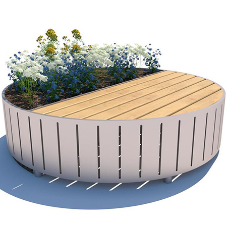
Whether standalone or part of a seating arrangement, planters break up the expanse of pavement and create a more welcoming environment.
Greenery has been proven time and time again to improve mental wellbeing, reduce stress and create a sense of tranquillity, especially in the heart of the city.
From an environmental perspective, plants help filter air pollution, regulate temperature, and support urban biodiversity. They can also host pollinator-friendly plants, drawing bees and butterflies back into central London, after a recent report by Pollinating London Together (PLT) found that native species were in decline.
For Oxford Street to thrive as a pedestrian-friendly zone, it must offer functionality, beauty, sustainability, and respite. Broxap’s durable and attractive planters can deliver them all, turning the street into a place people want to linger, relax, and return to.
Supporting active travel with cycle and scooter parking
With cars gone, alternative modes of transport take centre stage. That’s where travel hubs, bikes and scooter racks come into play.
Providing dedicated, secure and well-designed parking for bikes and scooters is a key part of making the street accessible, functional and future-ready. Designated cycle parking zones help keep pavements clear and safe for pedestrians, while also signalling that cyclists and scooter users are welcome.
Increased parking provision also supports Oxford Street’s role as a regional and international shopping destination. Many people prefer to cycle for short- to medium-length trips, as shown by the 63% growth of cargo bikes and e-bikes in London over recent years.
Reliable cycle parking, whether it’s a row of sturdy Sheffield Stands to more comprehensive travel hubs that feature bike repair stands with tools, encourages more people to choose low-carbon travel options over private cars or taxis.
Wayfinding that helps people navigate
With more people walking, cycling, and exploring on foot, navigational street furniture helps visitors orient themselves, discover nearby attractions, and make the most of their time in the area.
Oxford Street’s wayfinding strategy should align with Legible London, TFL’s standardised pedestrian signage system. Recognisable by its sleek, black-and-yellow design and detailed local maps, Legible London signage is already a familiar sight across the city.
Expanding this network further into the new Oxford Street ensures continuity, making it easier for pedestrians to move between transport hubs, nearby attractions like Soho, Mayfair, and Hyde Park, and key retail and cultural destinations.
Signage columns and display boards that conform with the strategy will make the space feel coherent and welcoming, especially for first-time visitors or those unfamiliar with the area. They reduce confusion, improve safety, and allow people to explore with confidence.
A pedestrianised street that works for people
Removing vehicles will improve air quality, pedestrian safety, and the overall experience of walking through Oxford Street. New York’s Times Square saw massive gains in footfall and safety after pedestrianising key blocks, and similar benefits are already emerging in London.
Following a tough few years with landmark closures like House of Fraser and Topshop, the area is now bouncing back, with vacancy rates now under 5%. Reinvestment initiatives and public realm improvements are major contributors to that turnaround.
The streetscape future is adaptable with Broxap
As Oxford Street shifts to a new future, it needs infrastructure that can keep up. That means benches, bins, bike racks, planters, signage, and bollards that respond to daily rhythms.
At Broxap, we’ve mastered the art of turning streets into thriving spaces. Our extensive and impressive case studies showcase this, from Bradford City Centre to Waltham Forest Town to Oswestry High Street.
By combining smart design with durable craftsmanship, with a proven track record and a commitment to quality, we are ready to help shape streets and cities across the UK into a destination that works for everyone, every day.
Learn more
Street Furniture That Adapts As Cities Change
-comp106216.png "Broxap")
| T | (0844) 800 4085 |
|---|---|
| F | (01782) 565 357 |
| E | info@broxap.com |
| W | Visit Broxap's website |
| Rowhurst Industrial Estate, Chesterton, Newcastle-under-Lyme, Staffordshire, ST5 6BD |
Categories
Safety Street furniture Street lighting columns