Project Details
Project: Stone Effigy Conservation at St. Andrew's Church
Project type: Historic building conservation
Location: Shifnal, Shropshire
Contractor: Corrine Jackel Conservation
Consultants: David Senior and Lupiae Architecture and Conservation
System: Restorative Techniques ThermaLase
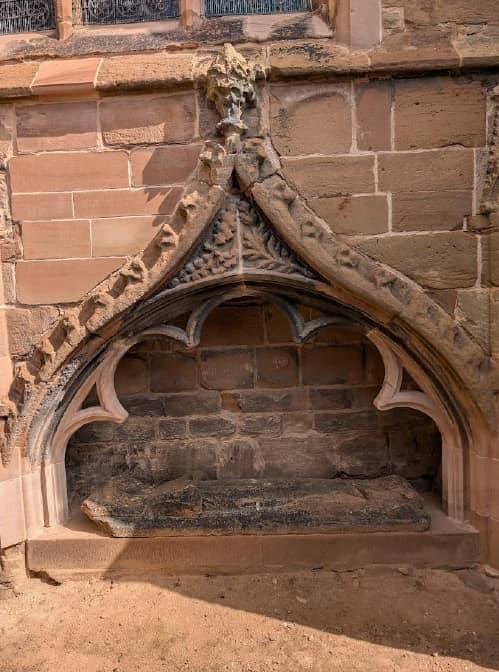
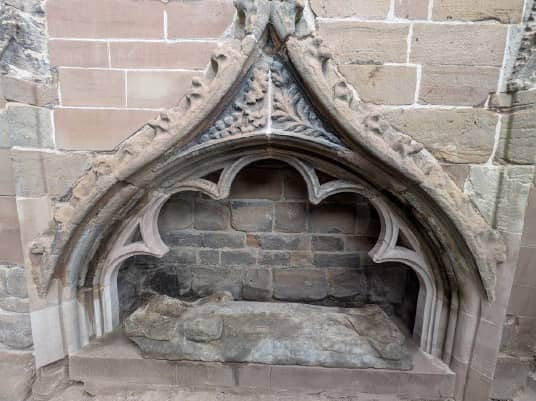
Application: Laser cleaning of an external stone effigy and surrounding masonry
Building status: Grade I listed church
St. Andrew's Church in Shifnal is a Grade I listed ecclesiastical landmark with origins dating back to the Anglo-Saxon period. While parts of the original structure date from the early medieval era, the present building predominantly features 12th and 13th-century Gothic architecture.
Due to the church's considerable historical and architectural significance, any conservation work must be carefully controlled to protect its surviving historic surfaces.
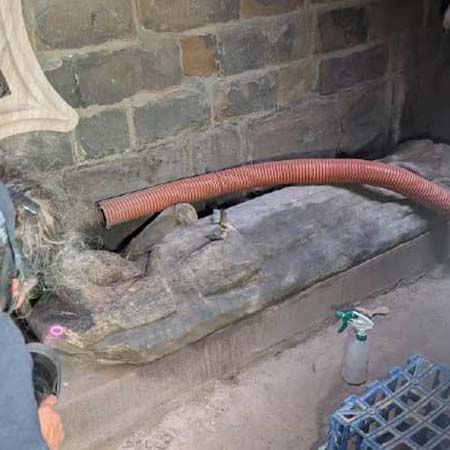
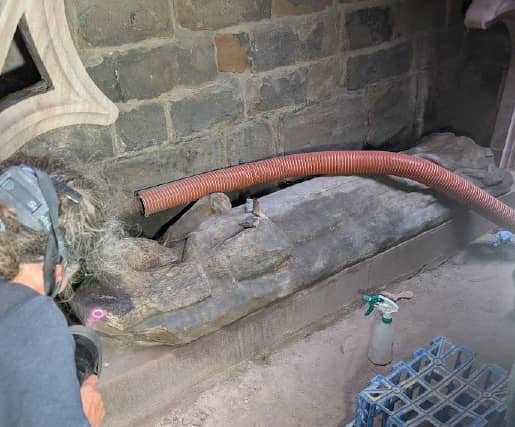
Corrine Jackel Conservation, working under the instruction of David Senior and Lupiae Architecture and Conservation, used the Restorative Techniques ThermaLase system to remove staining and surface deposits from an external effigy and its surrounding masonry.
The Challenge
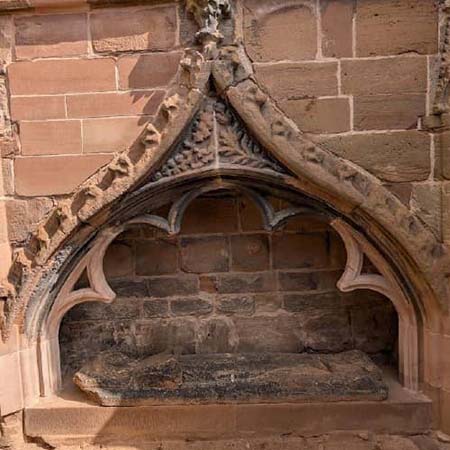
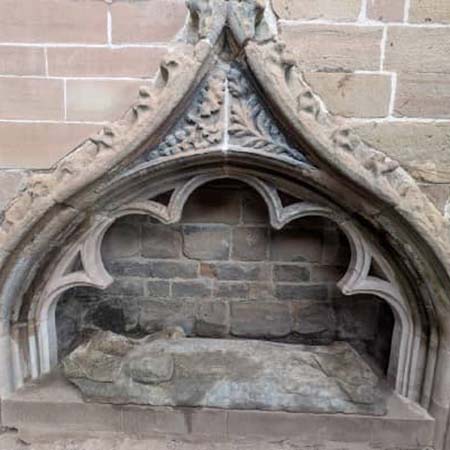
Corrine Jackel Conservation was tasked with testing the effectiveness of laser cleaning on the external effigy and surrounding stonework.
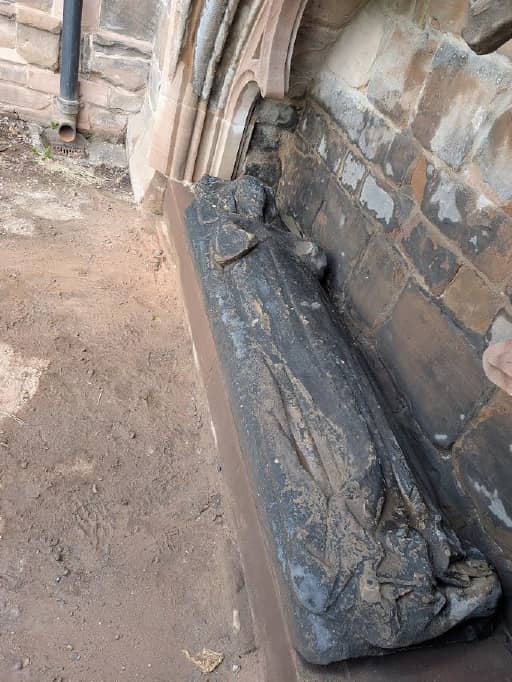
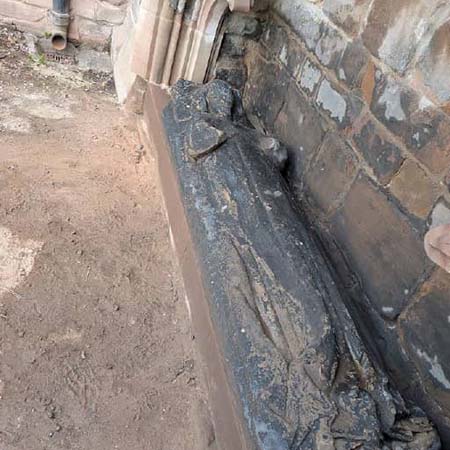
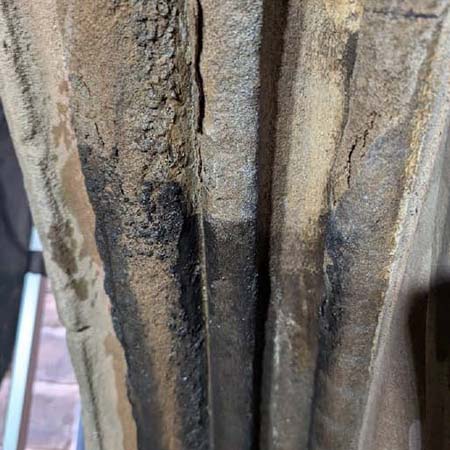
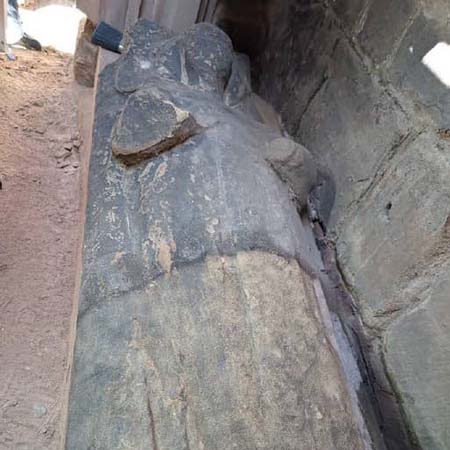
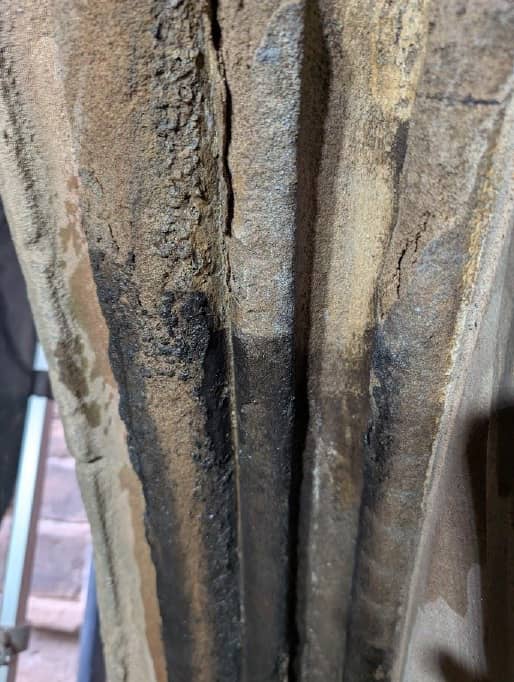
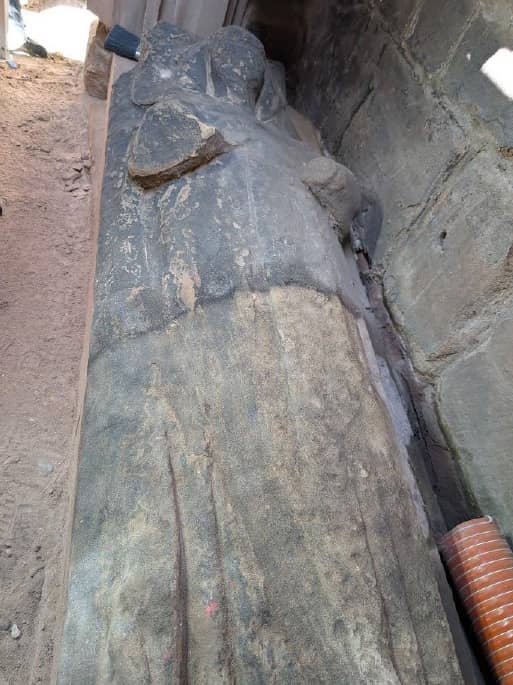
The effigy displayed subtle traces of lichen and carbon staining caused by prolonged exposure to pollution and the elements. Its original age and origins remain uncertain, while its style differs from the surrounding masonry.
It was therefore essential to identify a cleaning method capable of removing the deposits without disrupting the substrate or causing the loss of historic surface material. The chosen solution also needed to comply with operational controls and satisfy the stakeholders involved in the conservation project.
The Solution
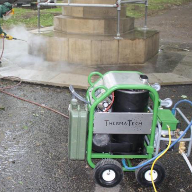
Corrine Jackel Conservation selected the Restorative Techniques ThermaLase, a 200W dual-axis fibre laser designed for the controlled cleaning of sensitive surfaces.
The system comprises a compact, suitcase-style laser unit weighing approximately 30kg, allowing it to be transported easily around the church grounds. It can also operate using either a 110V or 230V power supply, providing flexibility during conservation works.
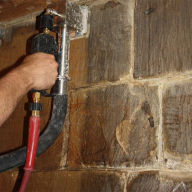
Its non-contact and non-abrasive operation made the ThermaLase particularly suitable for the fragile historic stonework. For heavier deposits, including a thick accumulation of carbon and an unidentified oily residue, the laser was operated at its maximum 200W output.
Power levels were then reduced when treating more delicate and friable sections, helping to protect the substrate while maintaining an effective level of cleaning.
The Outcome
The ThermaLase achieved a consistent level of cleaning across the effigy and its surrounding masonry, successfully removing carbon staining and oily residues from difficult-to-reach areas, including the rear corners of the carving.
Despite the stone being described as very friable and showing signs of spalling, the process caused no mechanical wear or loss of surface material.
The results demonstrate how fibre laser technology can provide a highly controlled, non-abrasive solution for cleaning sensitive historic masonry. By eliminating mechanical friction, the system helped preserve the Grade I listed fabric while meeting the conservation requirements of the project.
For more information about the ThermaLase system or to discuss a heritage cleaning project, contact Restorative Techniques.
ThermaLase Cleans Historic Stone Effigy at Grade I Listed Church

| T | (01454) 417831 |
|---|---|
| F | (01454)412445 |
| E | info@restorativetechniques.co.uk |
| W | Visit Restorative Techniques Ltd's website |
| UK & Worldwide, Gloucester Road, Rudgeway, Bristol, BS35 3SG |