What was the Client Requirement?
Utility searching is all about minimising unexpected discoveries while digging, as well as the consequences; from small delays in continuing with the project to much larger issues involving utility strikes or redesign. It comes as no surprise to us that Apogee are often instructed to perform searches for Archaeological work – it is arguably the most careful, risk-sensitive type of dig, where Apogee’s thorough and proactive utility searching adds the most value to the viability of the work being done. It is also of course something different from their usual work focused on developments!
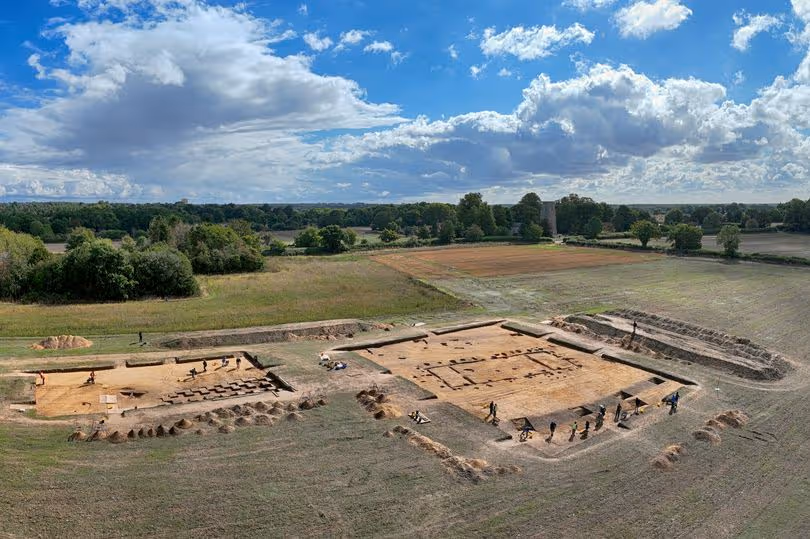
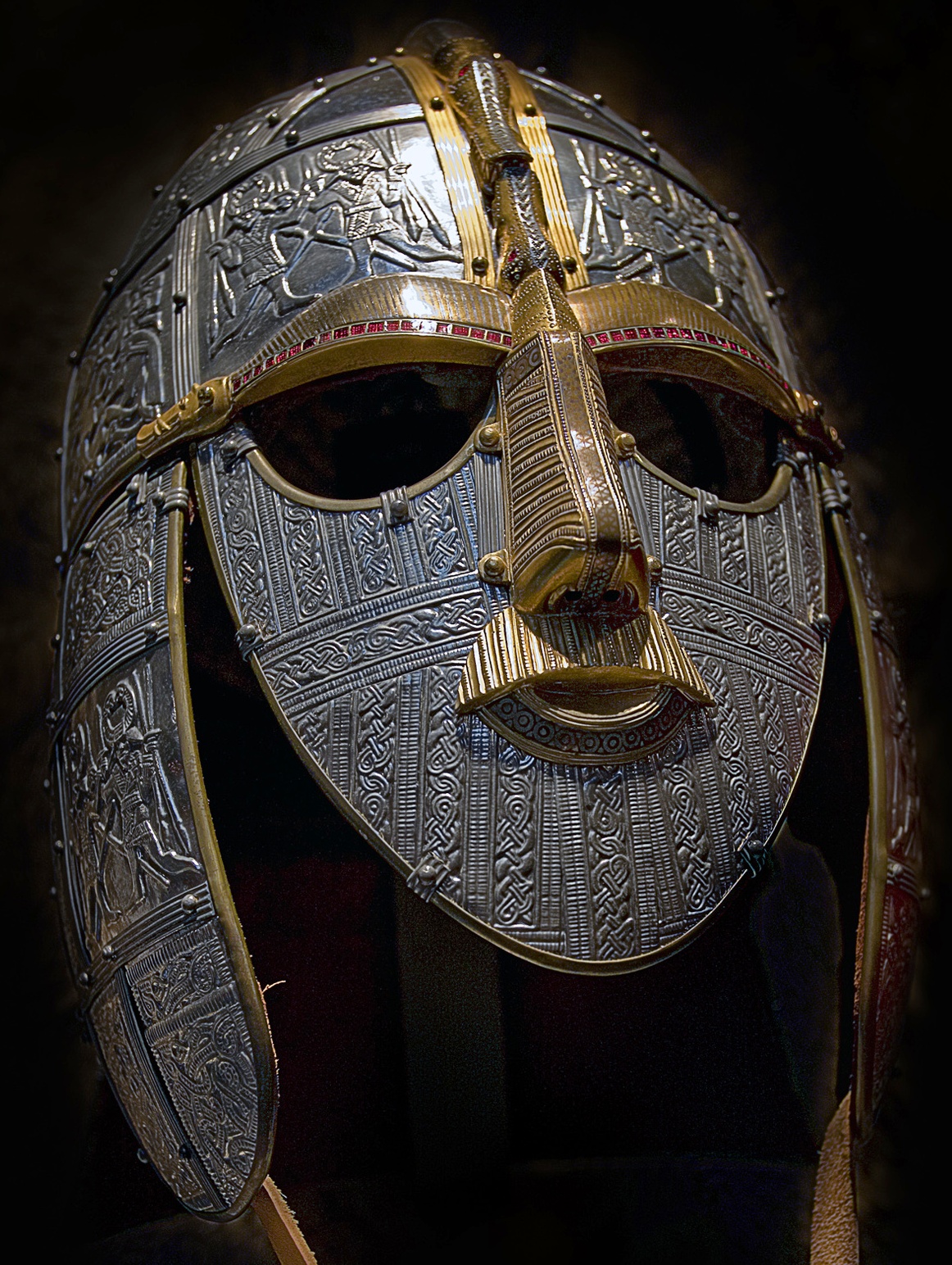
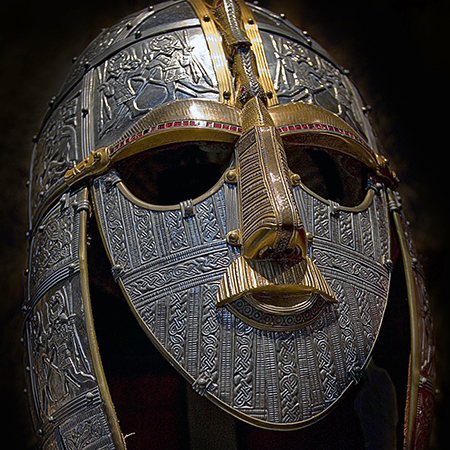
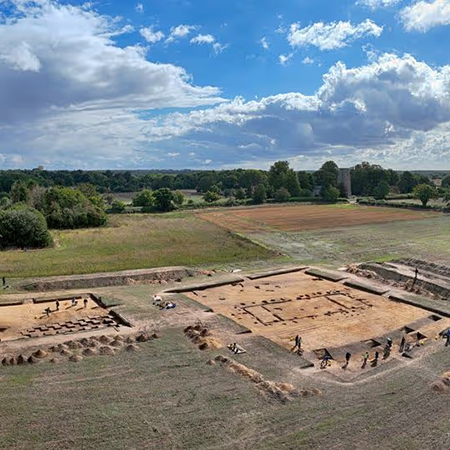
Suffolk is one of the most popular areas in the UK and Europe for archaeological work and has produced some of the most famous finds from a range of historical periods. Along with various Roman and Post-Roman discoveries, the Sutton Hoo site and its famous helmet are considered the most complete example of a ship burial ever found in Europe. With such precious objects buried underground it is no surprise that thorough searching of utility records and diligent surveys were needed for the site.
What was the Apogee Solution?
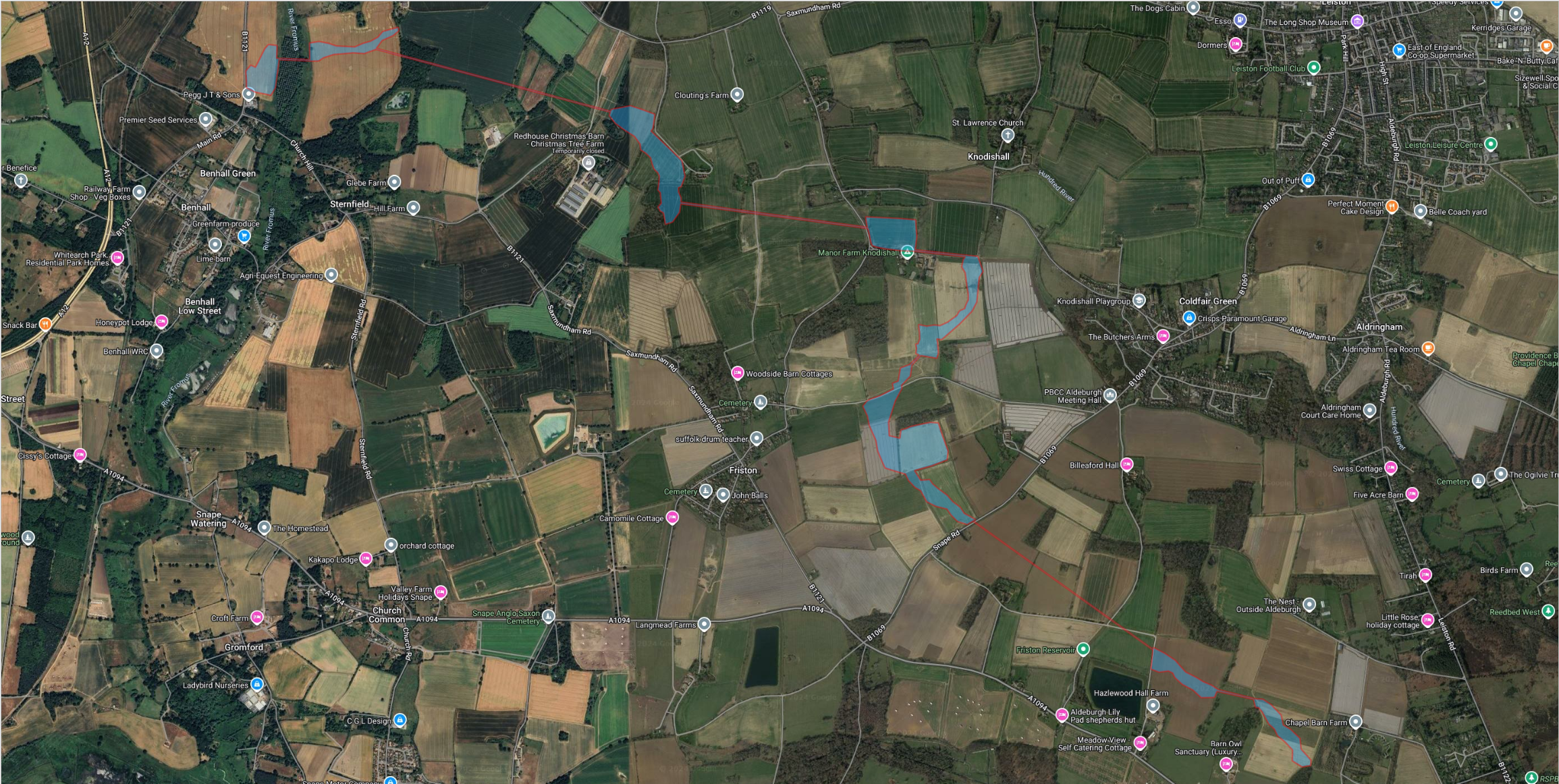
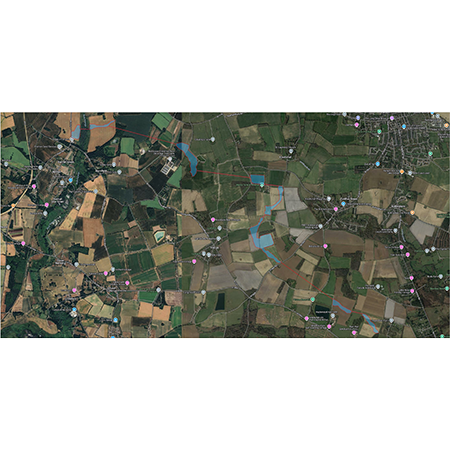
Apogee were asked to search a substantial part of the area of the geoarchaeological assessment for NGED’s Sea Link Cable Scheme, and as is often the case with archaeology the area being investigated was very spread out. The site included very specific, small sections of various fields of historical interest with large distances between them. In this case, the focus was on Metalwork and Pottery.
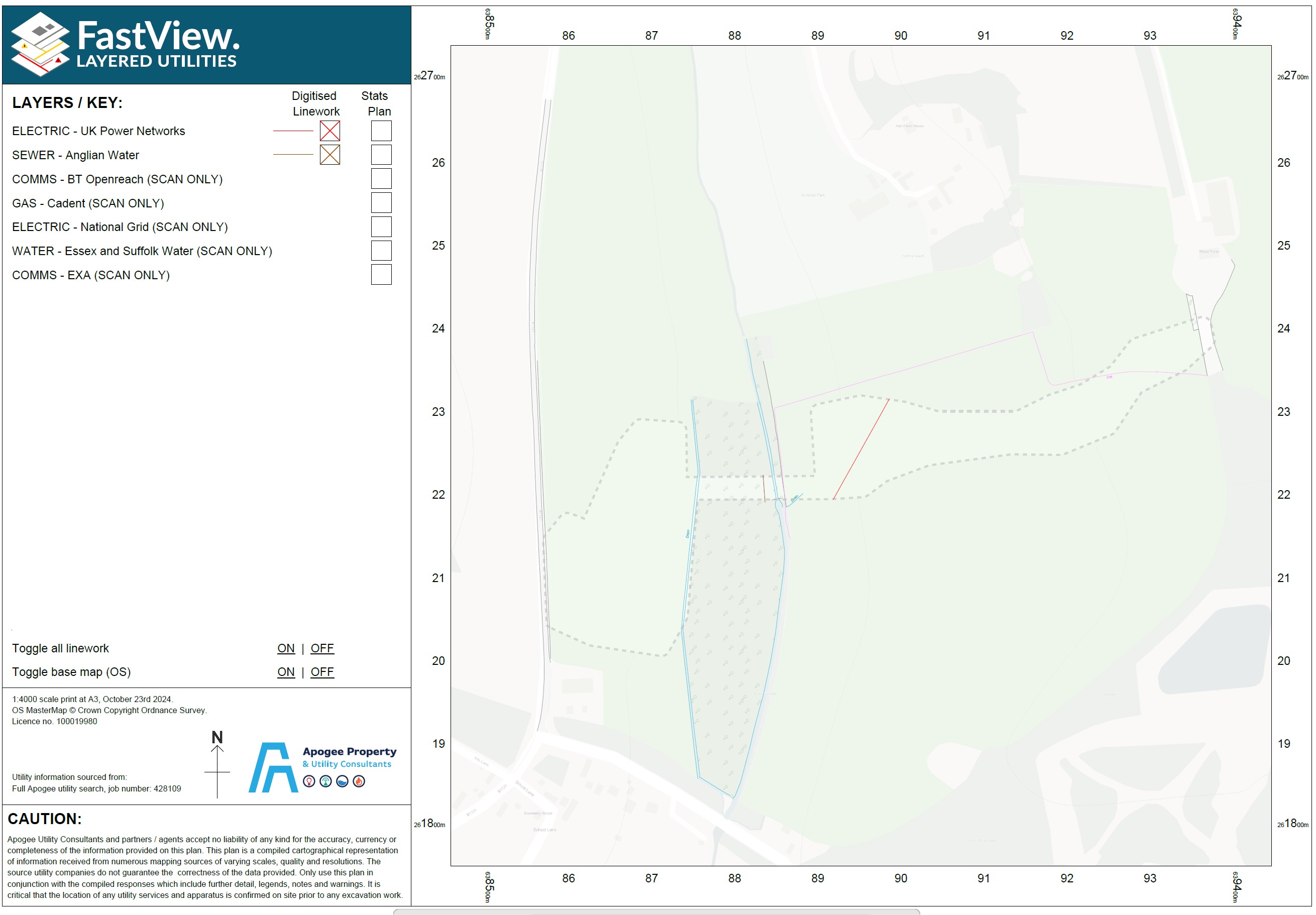
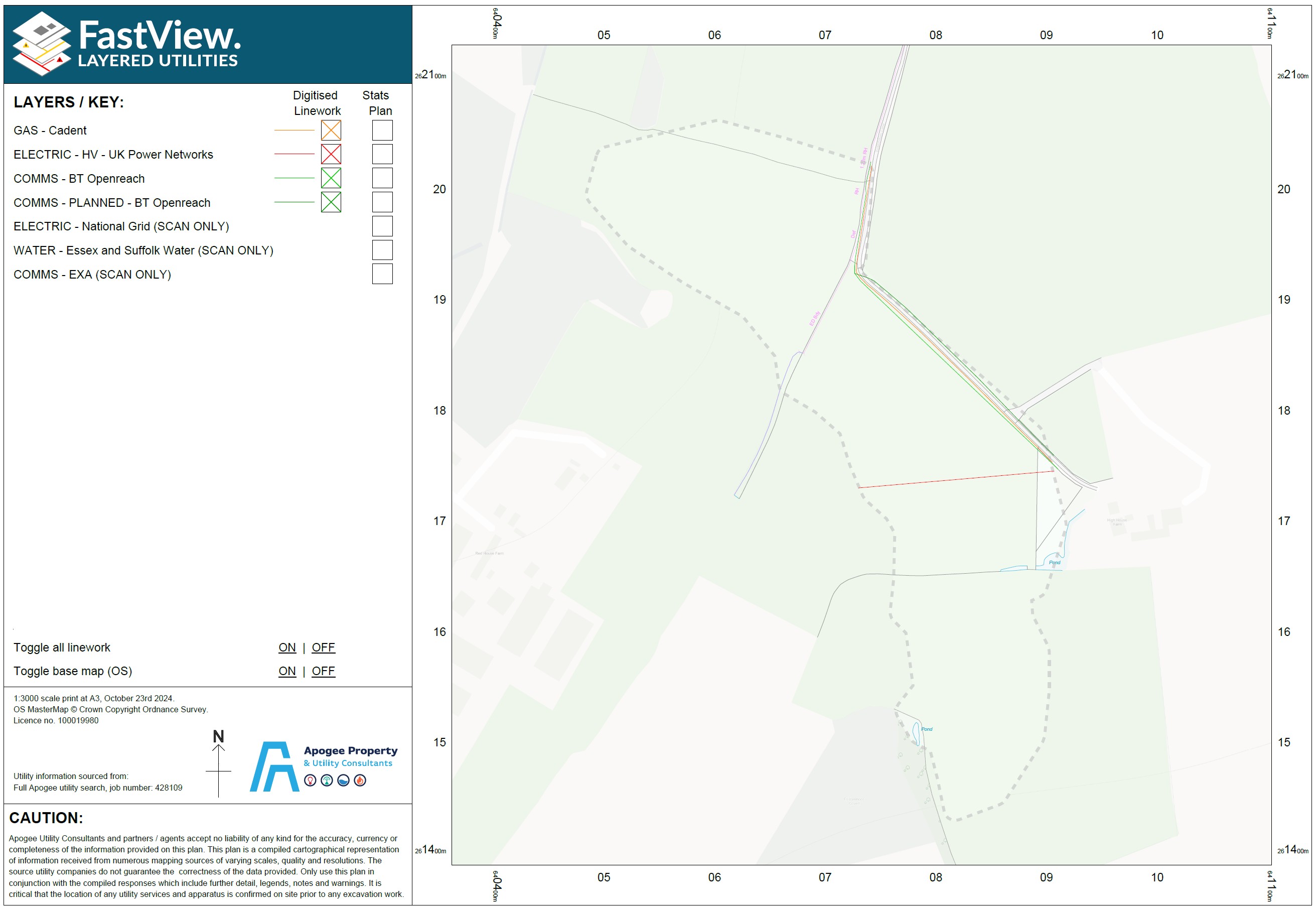
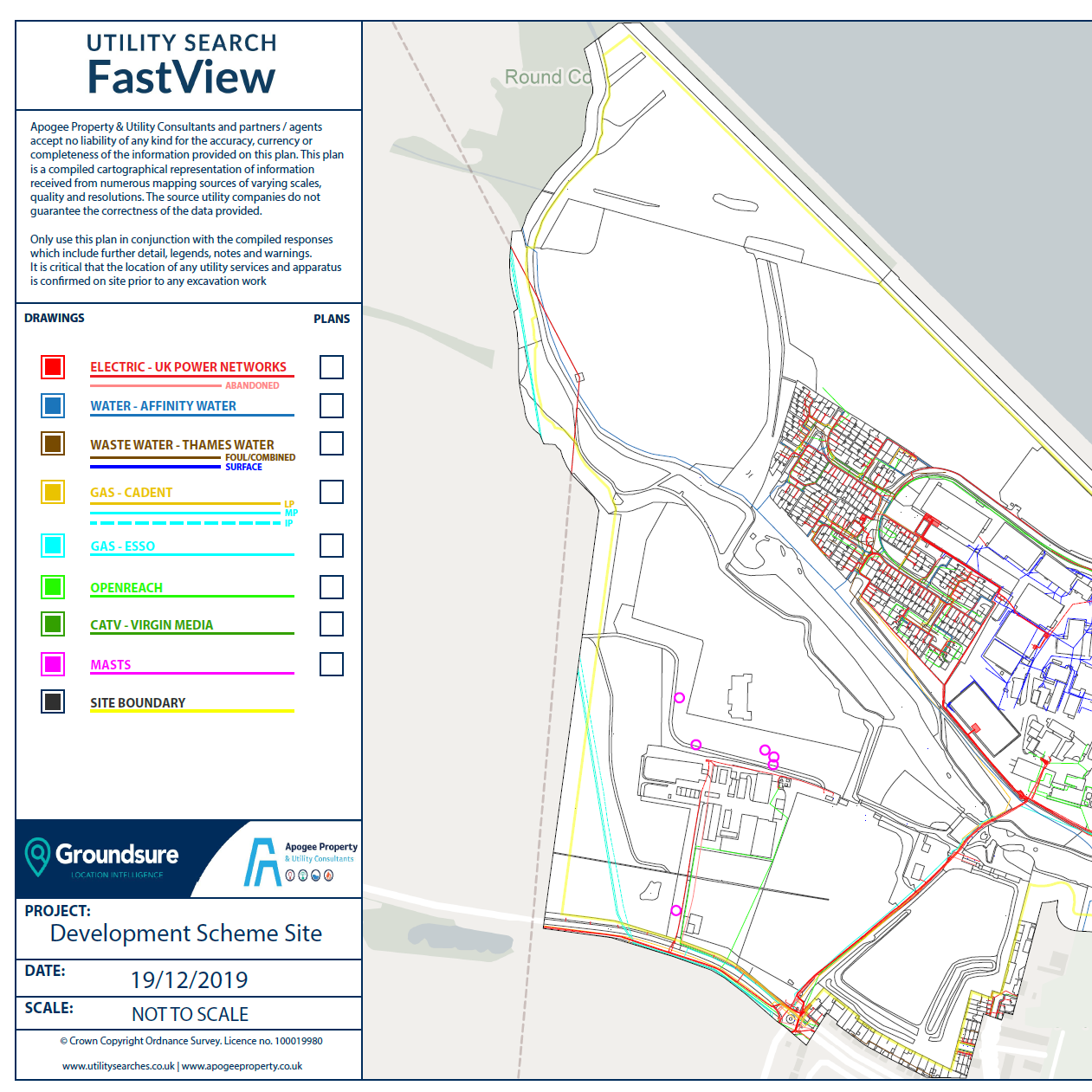
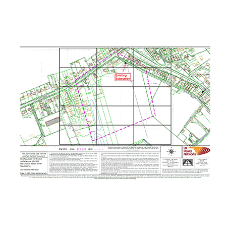
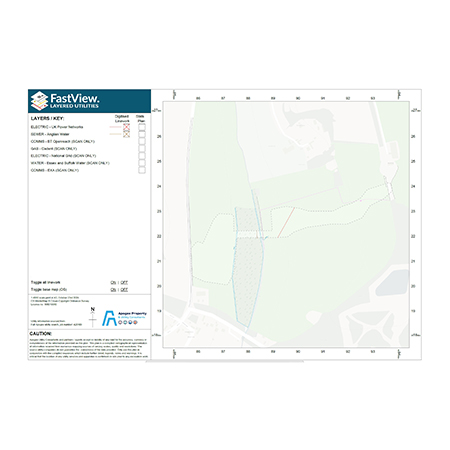
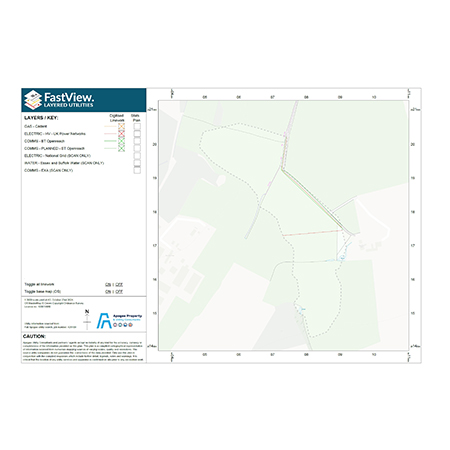
Apogee also worked with their partner Centremaps who provided an individual FastView for each site, showing the relevant assets for each dig in one easy to use file.
What was the result of the report?
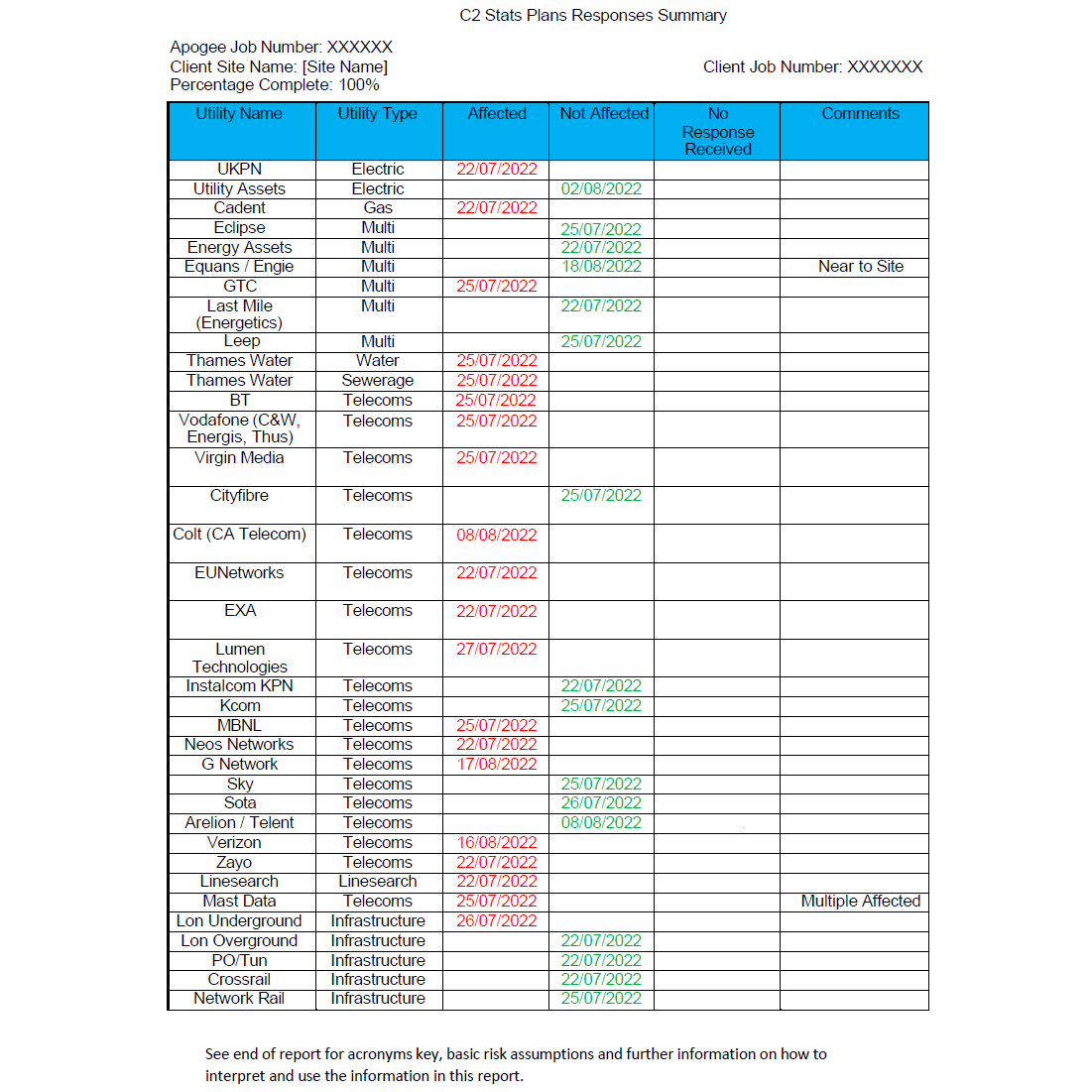
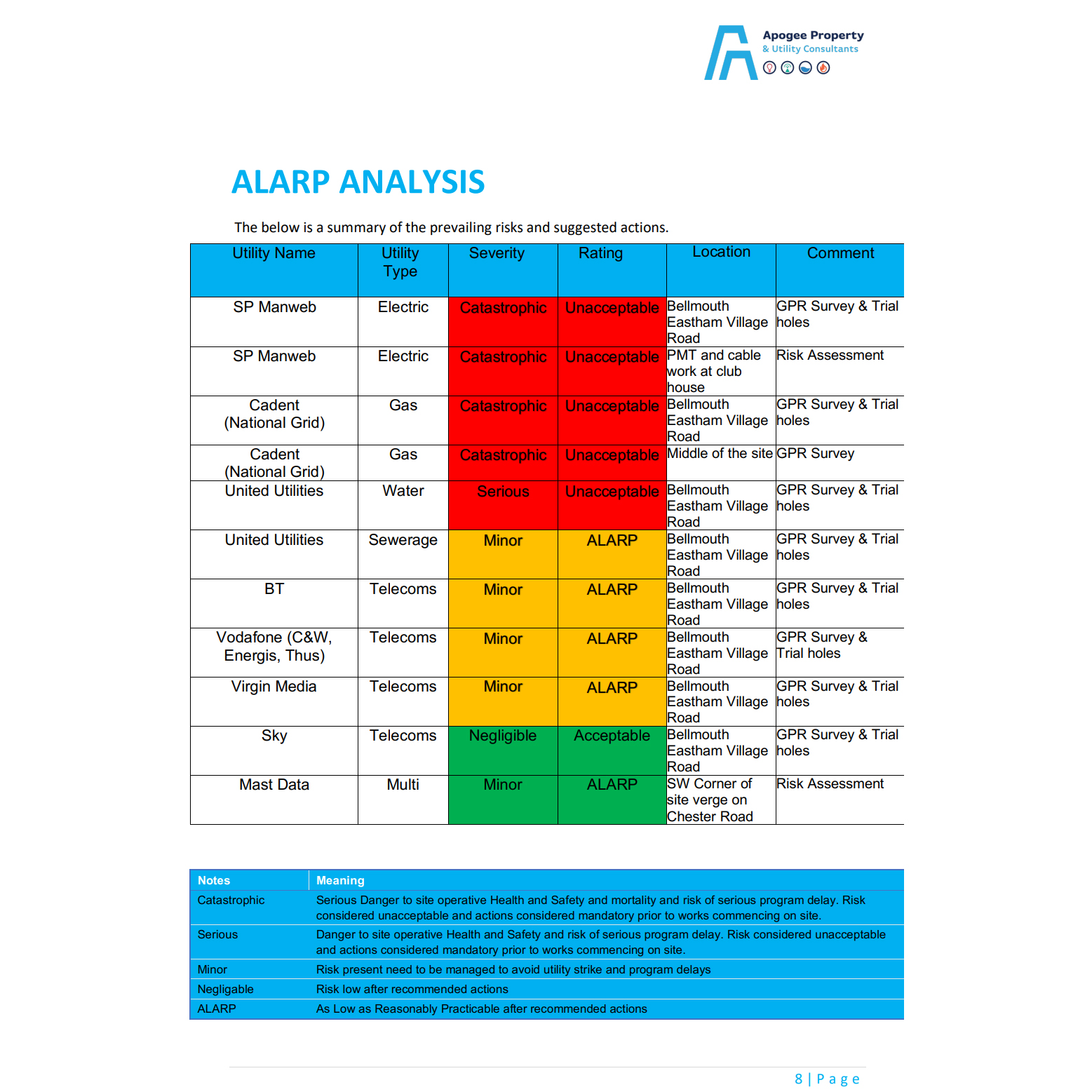
The areas searched were all rural and quite small, so the utilities discovered in each area were not dense, however all but one of the areas searched were crossed by power cables and a range of other assets - including Openreach, Gas, and some sewer assets.
The search was produced to cover the entire site to reduce costs of utility plans, which worked well with the FastView’s layout of having individual PDFs for each site: the client had both an overview of which utilities were present, and a more detailed view of each individual dig site for closer analysis of where the assets were located and how they affected the planned works.
Why was the client delighted?
The client was delighted that they received the information on time and 100% complete for the various sites, with the search report providing an overview to assess risks quickly and the FastViews providing the dig teams with easy to use, comprehensive combined PDFs to support their surveys (as well as a DWG file to assist with post-processing.)
There were a few major assets crossing the site, and knowing their locations enabled the trench locations and depths to be set with these assets in mind, avoiding any hazards from the trial trenching and informing the wider Sea Link Project, which Apogee have also contributed to more directly. As always but especially for careful digs like this, it is important safedigging practises are followed at all times in accordance with the PAS128 Specification and HSG47 Guidelines.
About the client:
Stantec are a large international consultancy offering services for a wide range of construction related functions, including engineering, design, surveying, environmental services, project management, and many more. They empower their clients and actively support sustainable engineering projects like Sealink and are a global leader in helping deliver such large projects.
Who else would buy this?
Apogee's Consultancy services are ideal for Solicitors, Clients and Project Managers, Developers, Local Authorities Consultants, Architects, Design & Build Contractors, Highways Scheme promoters and Surveyors. Anyone involved with a residential or commercial development who would benefit from understanding the risks and costs which come from utilities would be well placed to talk to us.
Even if you are not the source of funds for the development and costs savings are of secondary importance to you, they can help you avoid other inconveniences such as delays, and reduce the risk of any accidents or strikes of existing plant, as well as improve due diligence and help you achieve compliance under the relevant guidelines and regulations, namely PAS128 and HSG47. They have decades of experience in managing such conflicts across their capable team, a member of whom was on the PAS128 steering committee and who was personally involved in the drafting of PAS128 Quality Level D.
Apogee Supports Archaeological Utility Searches for NGED’s Sea Link Cable Scheme
| T | 01952 686 570 |
|---|---|
| E | info@apogeepropertyandutilityconsultants.com |
| W | Visit Apogee Property & Utility Consultants's website |
| Blount House, Hall Park Court, Hall Park Way, Telford, TF3 4NQ |
%20copy.png "Utility Wayleave Search")
Categories
Sections Cables Power cables