
A new social housing industry survey has uncovered a growing issue in the sector that could be putting providers' carbon targets at risk.
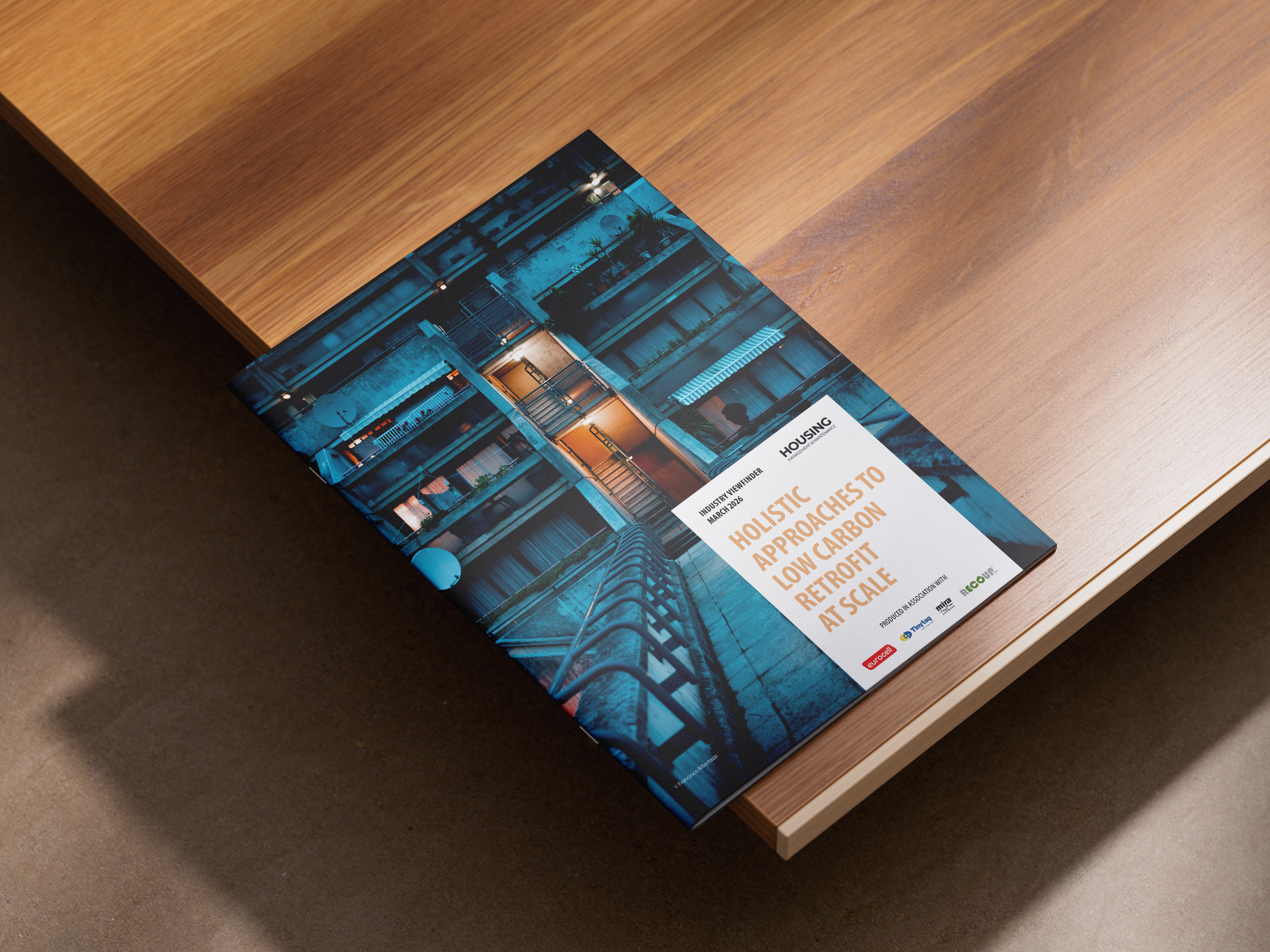
Holistic Approaches to Low Carbon Retrofit at Scale, sponsored by Eurocell, a leading manufacturer and recycler of PVC-U windows and doors, surveyed a broad area of the industry, with respondents including housing associations, local authorities and social housing organisations.
The responses revealed a major shift in the obstacles facing social housing providers. Tenants refusing improvements is now the fourth most common barrier - sitting only behind regular challenges like costs, the age of housing stock, and a lack of external skills.
But why is this happening?
The rise of tenant refusals
Tenants blocking improvements has moved up from eighth in the same survey in 2024 (out of 11 factors). Compounding this issue, the report found that a lack of resident education has also risen to become the fifth most significant barrier to decarbonisation. This issue ranked at the very bottom of concerns in 2023.
Tenants have the right to refuse access to teams looking to improve properties, but it’s clear that this has become a more prominent issue in recent years.
A major driver of this resistance is the fear of upheaval. The report backs this up, showing that 31% of housing organisations cite "resident and occupancy constraints" - specifically pointing to disruption, the loss of room space, and the need to temporarily rehouse residents - as a primary barrier to delivering whole-house upgrades.
But the industry is also using terminology that tenants lack understanding of, with 37% of social housing professionals admitting the term "retrofit" is confusing for tenants and another 22% saying it was "somewhat problematic".
The research further exposed a critical shortfall in how residents are prepared for the physical reality of these home upgrades, including the necessary disruption. While half of respondents rely on in-person meetings, other methods fall short of explaining the complex new technology being installed;
● 45% use phone calls or texts.
● Only 16% use demonstrations or workshops, and a mere 13% utilise apps.
● 17% of providers admitted they have "no formal engagement" with tenants regarding these works full stop.
This lack of communication likely leads to the 24% who report "resident confusion or misuse" of the new systems after installation.
Better dialogue on disruption and benefits crucial to hitting national targets
Speaking on the findings of the report, Gary Doxey, Commercial Manager at Eurocell said: “Overcoming these tenant blocks is critical given the pressing national timeline. The Warm Homes Fund has allocated £1.29bn of funding for projects to introduce a series of combined retrofit measures to properties across the country until September 2028.
“Furthermore the target of EPC ‘C’ remains for all privately rented and local-authority run homes by 2030, which will mean that the intensity of retrofits and upgrades is going to need to significantly increase to deliver the scale required. If communication and open dialogue is key, we need to as an industry define how we approach tenants to make sure in cases where there is confusion or a lack of awareness of the reasons behind these upgrades - and the temporary upheaval involved - it’s all made clear.”
Holistic and whole-house approaches to retrofitting housing are acknowledged as the most effective means of tackling the upgrades in one-hit, and ensuring the balance is struck between different, often competing elements, and residents’ needs.
However, to deploy these whole-house solutions effectively, the sector must secure resident buy-in as this method is very disruptive to those living in social housing.
The industry largely agrees on the solution: 67% of providers agreed that improving communication is the key to reducing complaints and ensuring residents know how to operate their upgraded homes too. However, this communication must start long before installation, addressing fears of disruption head-on to ensure these vital upgrades aren't blocked before they even begin.
For the full findings of the report, visit here. For more information about Eurocell visit, https://www.eurocell.co.uk/.
Tenants Refusing Improvements Could Put Carbon Targets at Risk

| T | 03301 737 159 |
|---|---|
| E | marketing@eurocell.co.uk |
| W | Visit Eurocell's website |
| Eurocell Head Office and Distribution Centre, High View Road, Alfreton, Derbyshire, DE55 2DT |








Categories
Plastic windows Secondary windows