UK Government Education Estates Strategy
In February 2026, the UK government published their Education Estates Strategy for the next decade. The Secretary of State for Education (at the time, The Rt Hon Bridget Phillipson MP) stated in her introduction that “This is more than just buildings – it’s about showing children and young people that their education matters, their futures matter…with school and college buildings where all children and young people can achieve and thrive.”
Once these young people go on to university, this attitude should still apply, but with universities being private institutions, the funding models for new buildings and facilities, upgrades and retrofits are more complex, and each university may have different spending priorities. As construction costs have increased, and income from foreign students has decreased, it has become increasingly important to ensure that money spent in this area is a good investment.
Shaping the Future of University Estates & Facilities: the human factors
This autumn, WuduMate will be exhibiting at the “Shaping the Future of University Estates & Facilities conference” being held at Manchester Central. Whereas on day one the focus is on policy, planning and estates management, the conference programme states that “On Day Two, the spotlight shifts to the human side of the campus: student wellbeing, inclusivity, flexibility and the changing academic office.” Taking these human factors into consideration when designing buildings and their interiors is key for several reasons:
1. A university has a moral responsibility to care for the emotional and physical well-being of its staff and students.
2. For the university to be academically successful, it needs to create campuses where people thrive.
3. Students, particularly those from overseas, have to pay a significant amount of money to gain their degree, and so expect an attractive campus and high-quality facilities in return.
4. As Jane Harrison-White and Stephen Wells pointed out in their blog “A beginner’s guide to university estates” (https://wonkhe.com/blogs/) “… universities are in stiff competition for students, staff and research income, and maintaining the quality of student and staff experience is vital.”
Why should a university invest in wudu facilities?
Wudu is the Muslim pre-prayer ablution ritual, which generally requires the washing of the face, head, hands, arms, and feet. Creating a multi-faith room demonstrates a culture of inclusion, provides a dedicated space for worship and reflection by different faith groups, and encourages interaction and mutual understanding. Providing an adjacent, dedicated wudu space contributes to Muslim students and staff, both from the UK and abroad, to feel welcome, considered and included in their new environment. Furthermore, it is neither safe, nor hygienic, for wudu to be performed in a washroom handbasin and shows no respect for those being expected to do so.
Why WuduMate?
Safety, hygiene and good ergonomics
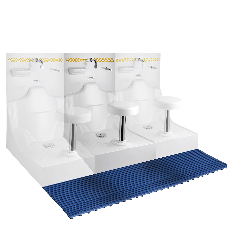
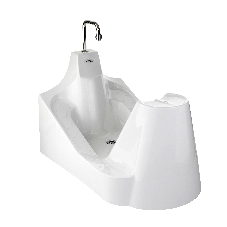
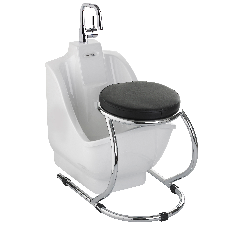
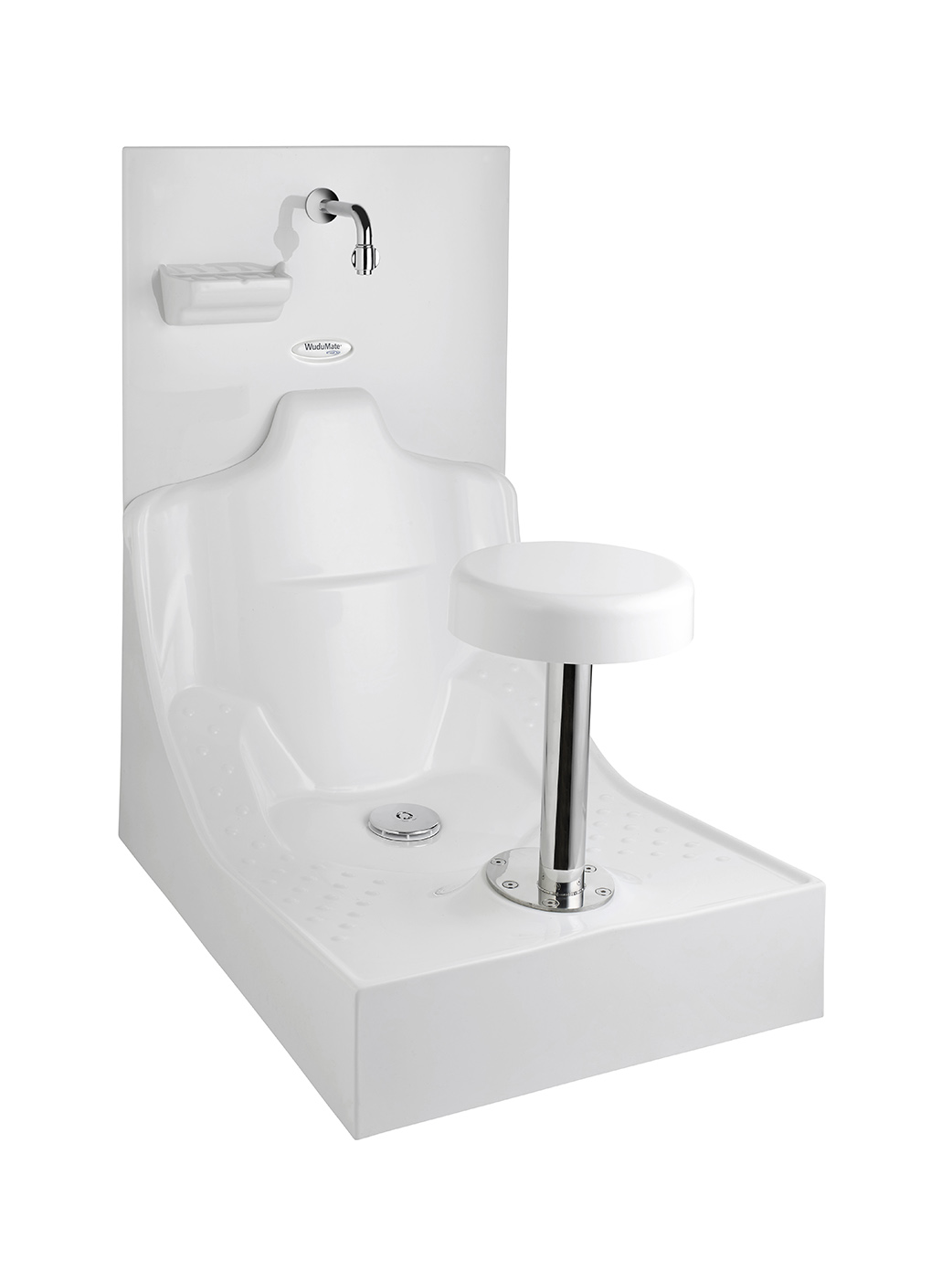
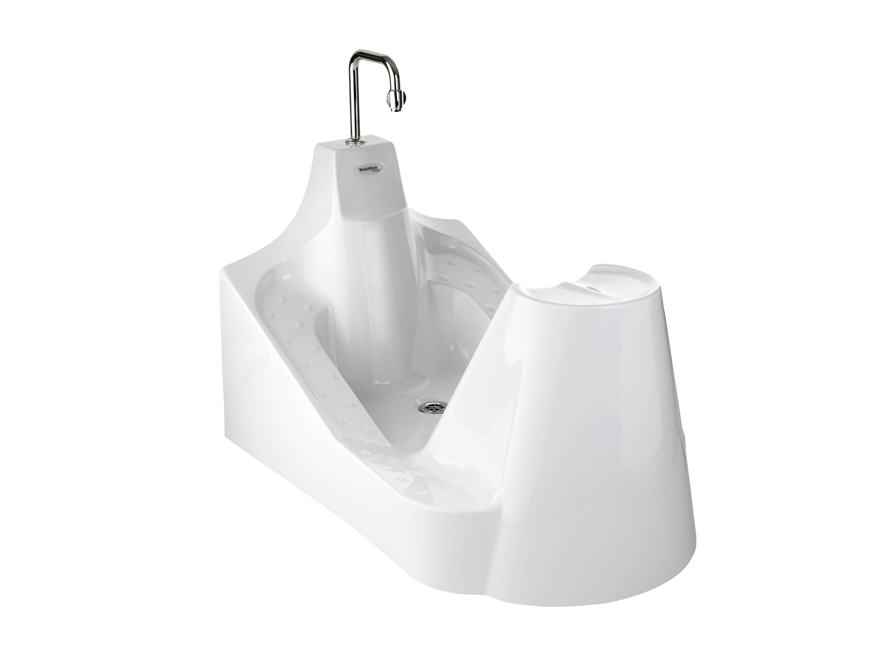
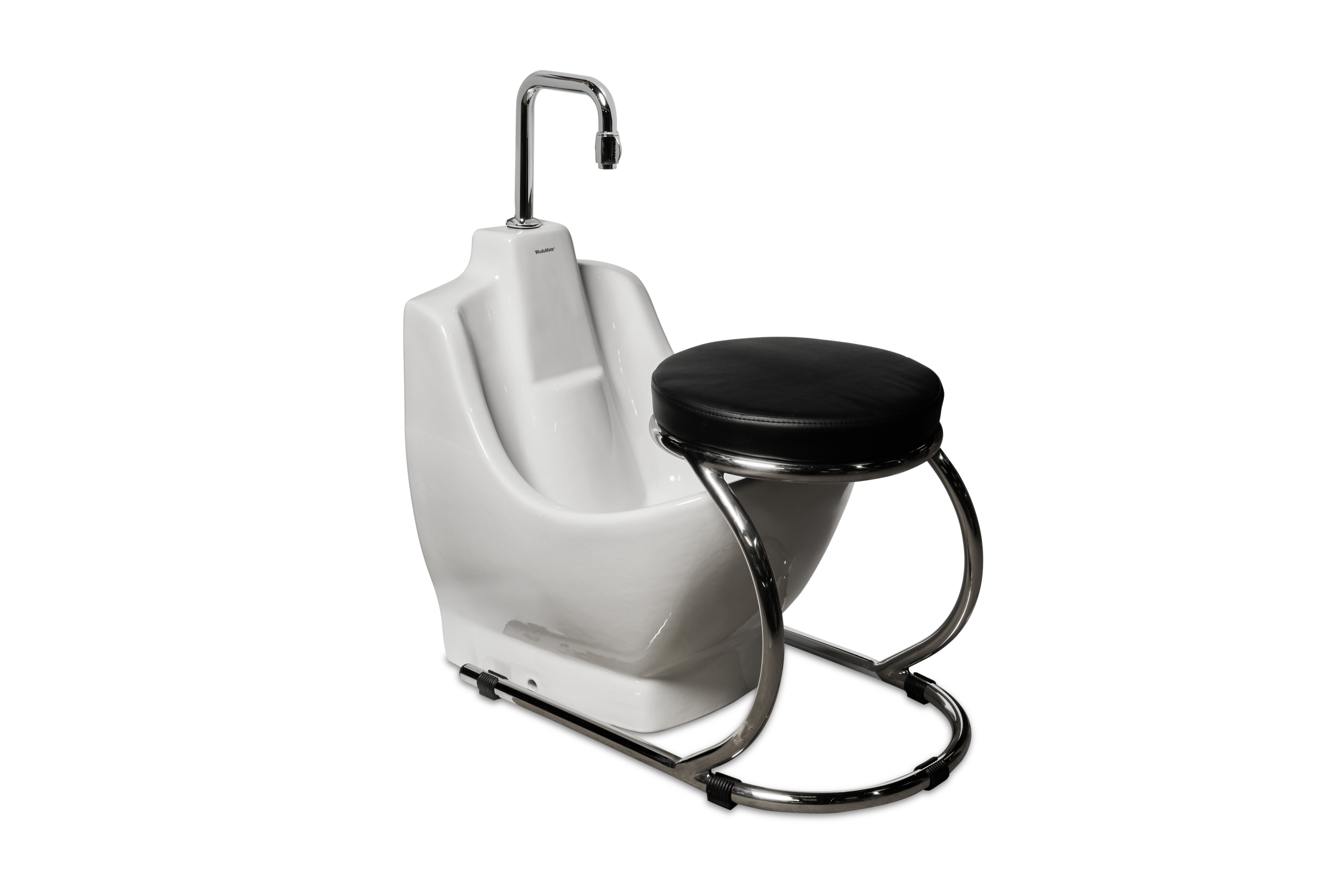
WuduMate’s ablution facilities enable this ritual to be carried out in a safe, hygienic, comfortable, and dignified manner, and every model can be configured with some level of accessibility for disabled users.
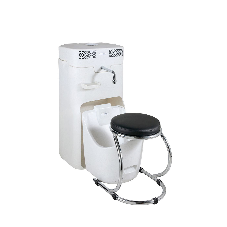
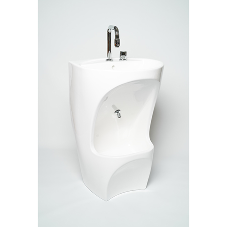
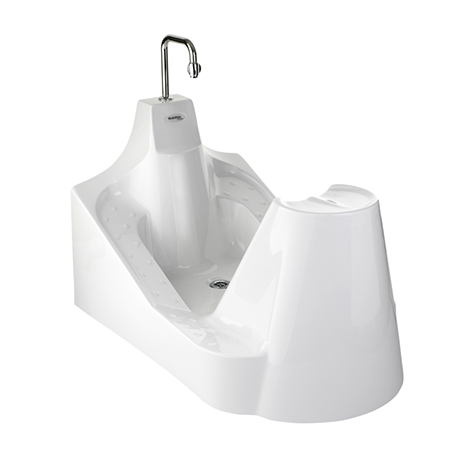
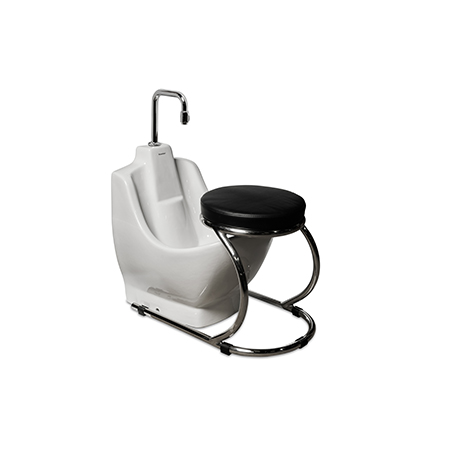
The broad product range includes models such as the Modular for busy campus facilities, the Classic for medium-use prayer rooms and the Compact where space or usage is limited. All these models are easy to install, clean and maintain. Their designs improve the user’s experience through great attention to ergonomic detail.
Water management
The same level of attention has been paid to the range of accompanying WuduMate taps, which have the spout in exactly the right position and at the right angle to minimise splashing. This means that the floor remains dry and therefore safe, and that grey water is not splashed back onto the person performing wudu, something which would invalidate the wudu ritual. All taps are fitted with a 3.7 litres per minute, pressure equalising Neoperl aerator (Perlator Honeycomb PLHC 40.2058.00002), with WRAS approved cartridge, which both saves water and reduces splashing. A 1.8lpm aerator is also an option for further water saving and sensor taps are available.
Flexible, Mobile option
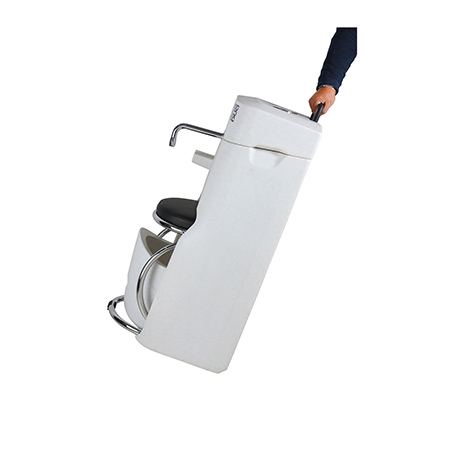
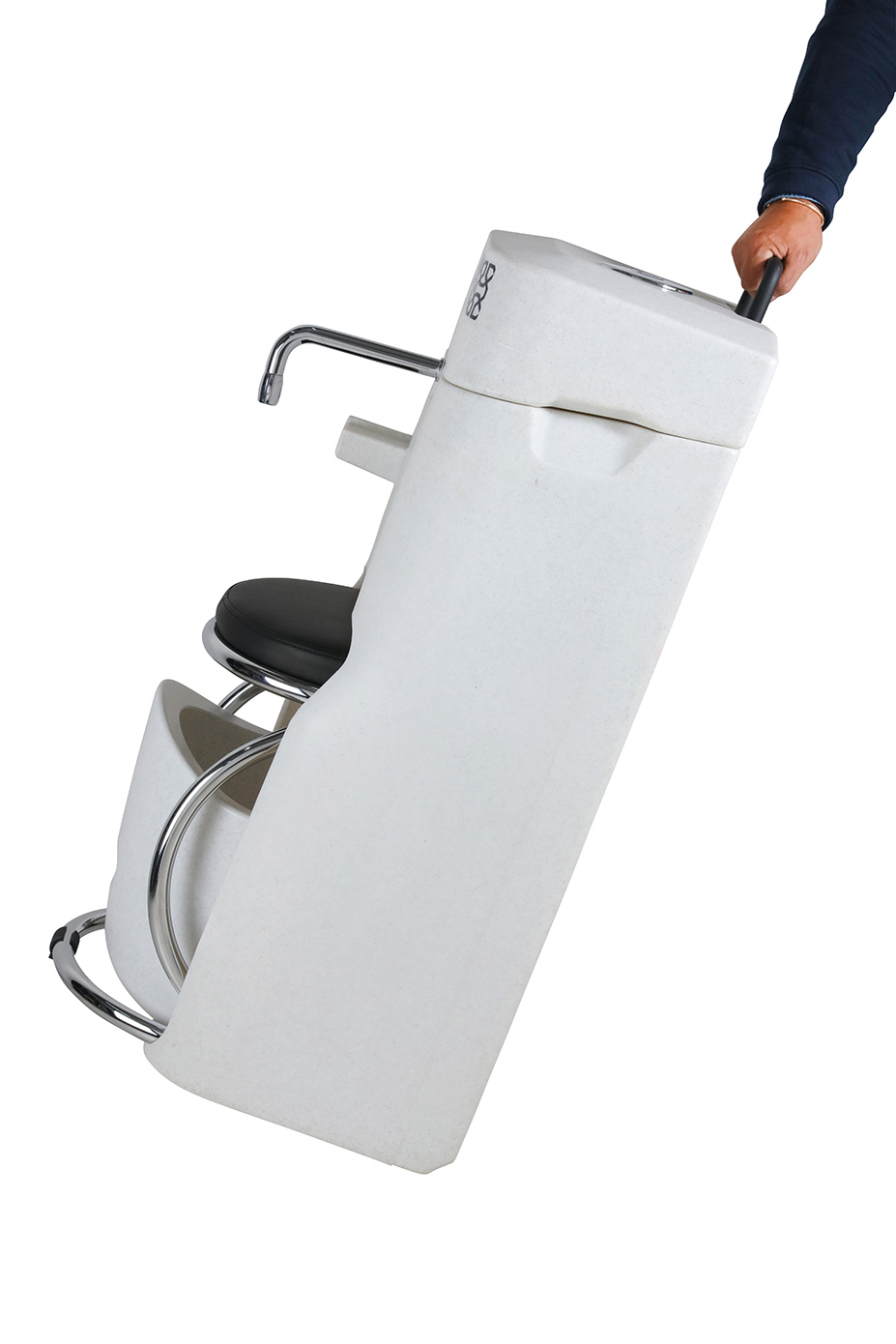
WuduMate’s range also includes the unique Mobile, ideal for temporary or flexible requirements, for example during refurbishment, while permanent facilities are being planned or where plumbing is unavailable. There is obviously no cost of installation, and it offers flexibility in a setting with a frequently changing population. The Mobile can be a good interim solution where permanent facilities are being introduced in phases, when budgets are constrained.
Proven suitability for education settings
WuduMate’s wudu solutions have been installed in diverse educational establishments, from primary schools to prestigious universities, predominantly throughout North America and the United Kingdom. They are a worthwhile investment, providing robust, long-lasting quality, much appreciated by those who use them.
Further information
For further information see WuduMate’s content on Barbour Product Search:
https://www.barbourproductsearch.info/wudumate-comp305416.html
or contact them via sales@wudumate.com
Why should a university invest in quality interior products at a time of financial constraint?

| T | +44 (0) 1784 748080 |
|---|---|
| E | sales@wudumate.com |
| PO Box 541, Egham, Surrey, TW20 0WN |