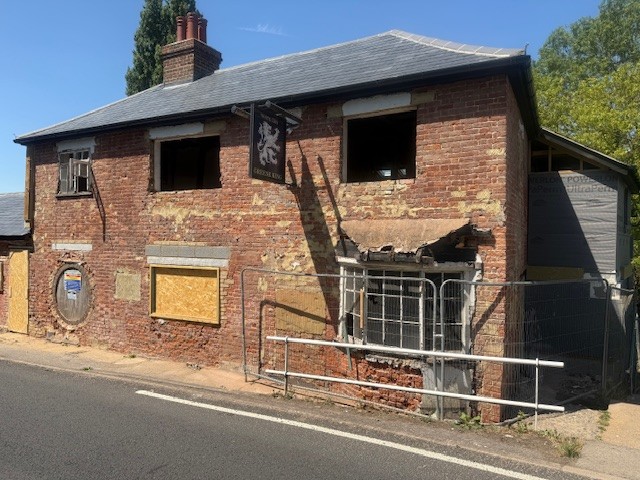
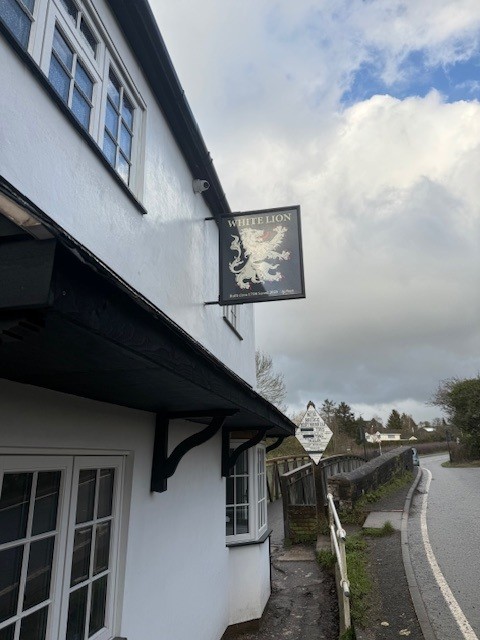
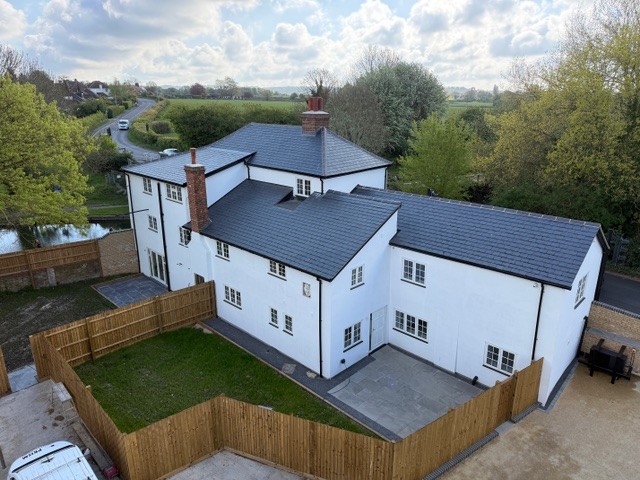
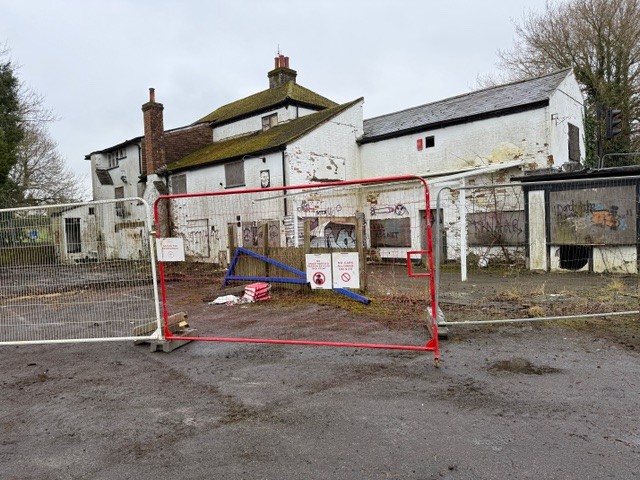
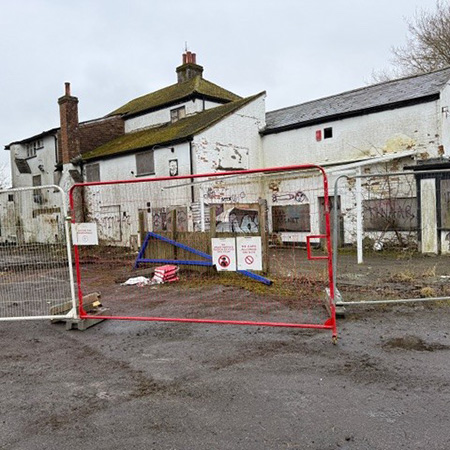
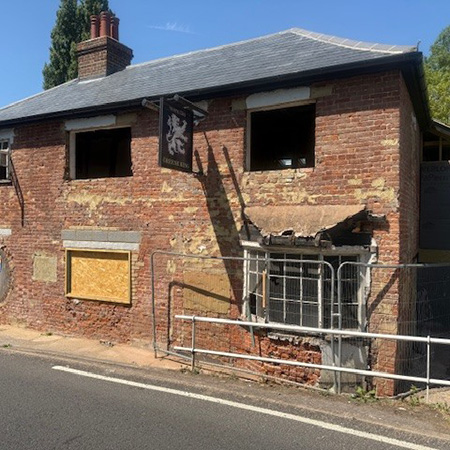
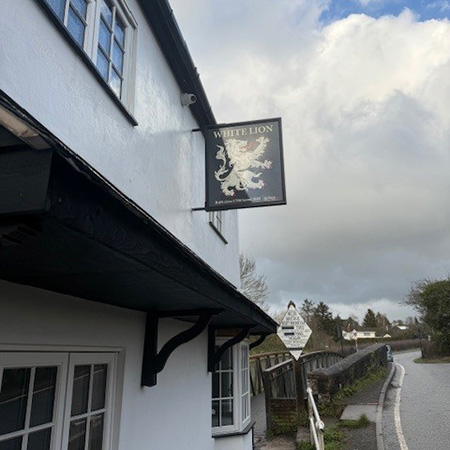
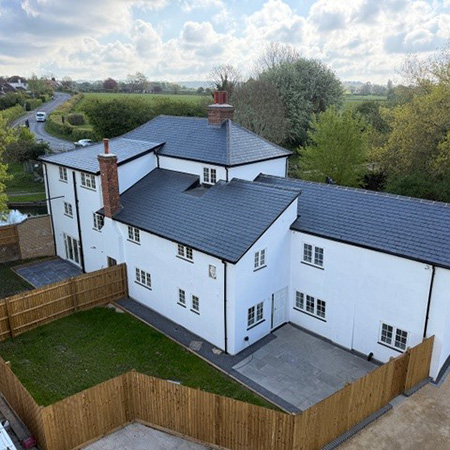
Delta Registered Installers, Prism Construction successfully restored a dilapidated former public house into two modern properties, despite initial concerns from the structural engineer about potential collapse of two sections.
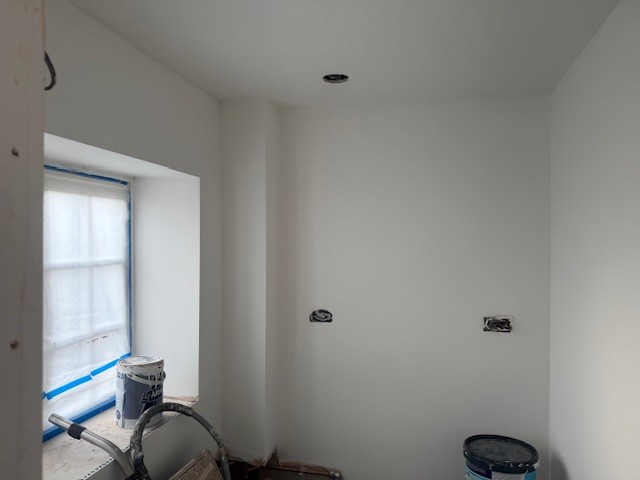
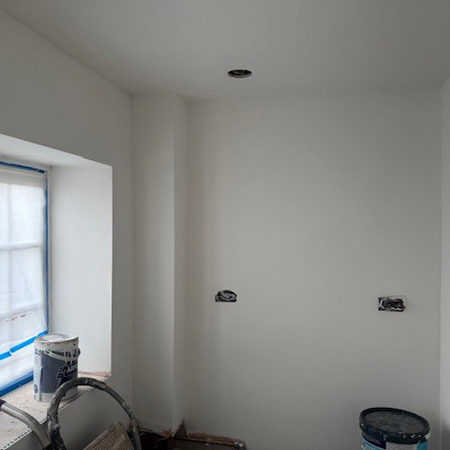
This scope of this project was converting an abandoned and damp structure into two modern, dry dwellings, ensuring a complete transformation from neglect to contemporary living spaces.
The trend of converting pubs into residential properties presents substantial opportunities. These structures hold immense potential for transformation into highly desirable residential spaces.
The building's original solid brick construction was in excellent condition, highlighting the era's high-quality craftsmanship. This building presents a complex layout with varying ground levels along its frontage and side elevations, adjacent to the road.
Plans include raising the first floor for more headroom, replacing timber floors affected by wet rot, and addressing the solid concrete plank floor in unit two, which is slightly below ground level to the front elevation.
Ensuring comprehensive waterproofing or damp proofing for any subterranean structure is essential to maintain and protect a building's structural integrity.
When specifying a retrofitted waterproofing solution, considerations should include site contamination, head heights, and retaining walls.
Methodology
A thorough structural survey is essential for any pub-to-residential conversion. Experts assess building integrity, evaluate load-bearing walls, and identify structural challenges that may impact the process. Working in collaboration with the Structural Engineer and Developers, Delta’s Technical Team provided expert advice and guidance throughout the project. Delta tailored a waterproofing design to meet specific project requirements.
BS 8102:2022 categorises waterproofing into four performance grades: 1a, 1b, 2, and 3. These grades specify the required waterproofing standards to match client expectations. For example, while commercial or industrial environments may allow some dampness (Grades 1a and 1b), residential areas necessitate complete dryness (Grade 3).
The new timber floors must be isolated. Delta's Technical Team suggests using Delta High Performance DPC. The plank floor will experience lateral dampness from high ground levels. Once the structure is stabilised, the floor should ideally be replaced with an isolated timber floor. Waterproofing options were also discussed.
A ‘Type C’ Waterproofing System was selected as a maintainable waterproofing solution to the existing basement to ensure a Grade 3 habitable environment was achieved.
BS 8102:2022 outlines three primary waterproofing methods: Type A (Barrier), Type B (Structurally Integral), and Type C (Drained). For habitable spaces, a combination of two methods is preferred, known as combination protection. These systems should possess different performance characteristics to reduce the risk of a common failure cause.
Type A
Delta’s Technical Team recommended two coats of Koster NB1 be applied to the front face of the brickwork and LGF slab before the installation of the proposed “Type C” cavity drained protection system.
Preparation of the substrate prior to the application of Koster NB1 is essential. Typically, where Type A tanking is carried out internal 90 degree angles should be filleted with Koster Repair Mortar Plus. Any voids should be filled and loose masonry adequately pointed with Koster Repair Mortar Plus.
This in effect provided a “Type A” form of waterproofing in addition to the proposed internal “Type C”, with the principle of designing out risk.
It is essential to treat all new concrete, including the basement slab and walls, with a free lime treatment. Koster Polysil TG 500 was spray applied to prevent free lime build-up.
Free lime and mineral salts leaching from concrete can cause Type C Drained Protection Systems to fail. According to BS 8102:2022 Section 10.2.1.2, these substances deposit within cavity drainage systems, perimeter channels, and especially sump chambers, leading to blockages and potential system failure.
Type C
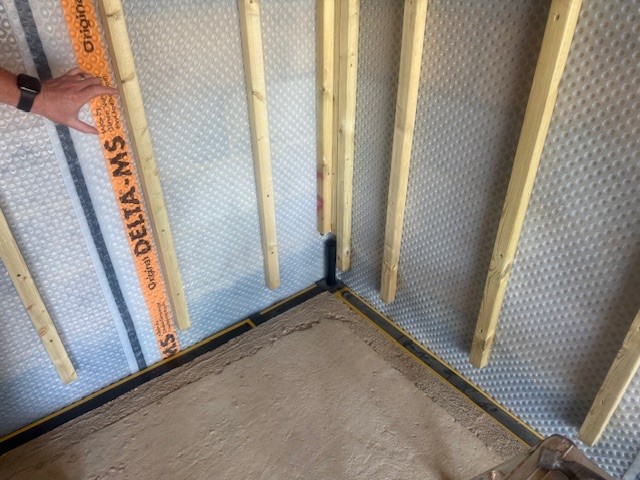
Delta’s Type C, Cavity Drained Protection System (CDM) supports slight movement and vibration without affecting structural dynamics. It permits moisture or water to travel behind the membrane in a controlled drainage system, requiring minimal substrate preparation.
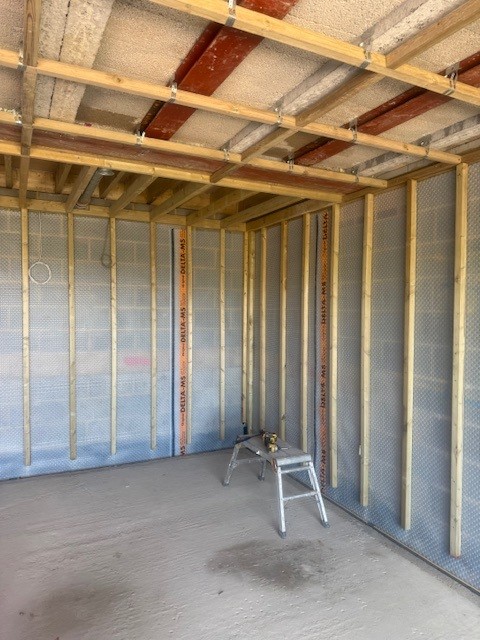
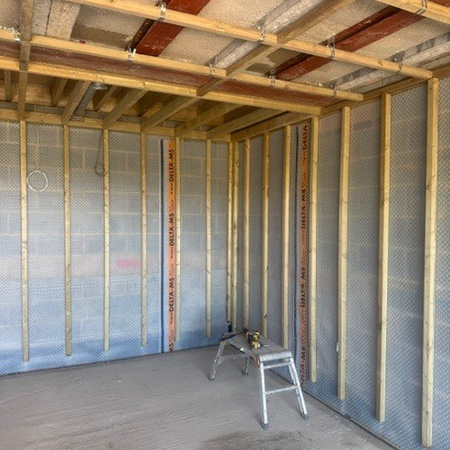
Walls above external ground level can be affected by rising dampness. Therefore, using a cavity drain membrane (CDM) as a damp-proofing medium was essential. Delta's Technical Team advises lining all walls with the Type C system. With combination waterproofing (Type A and C) only required for retaining walls.
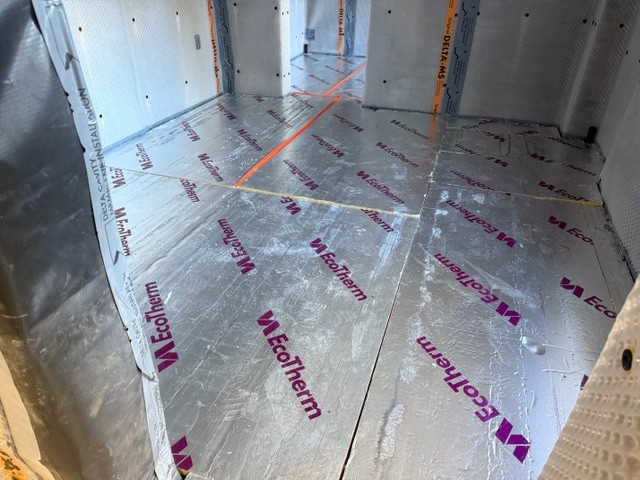
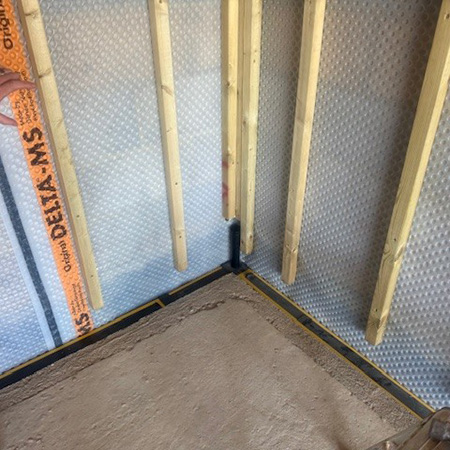
Delta MS 500 was installed on walls, with Delta MS20 laid on the floor and joined to the MS 500 wall membrane. Delta FM was deployed to the concrete plank at first floor level to protect against lateral capillary held moisture.
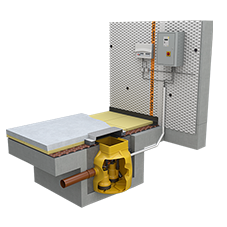
Delta drainage channel was inserted adjacent all retaining walls and taken to non return valves to evacuate via gravity due to the topography of the site.
The existing solid staircases were retained and prepared prior to the application of Koster NB1.
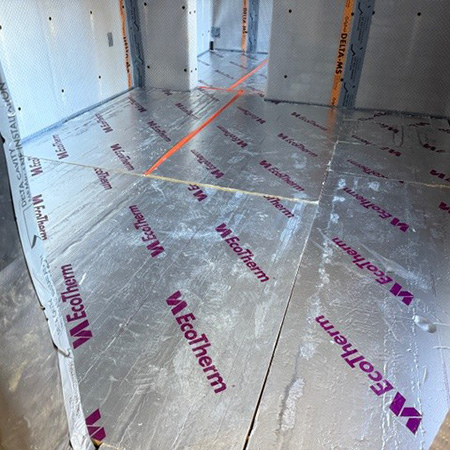
Where insulation is provided a vapour control layer is recommended on the warm side of the insulation.
All installed with great dealing and expertise.
Products Used
• Delta MS 500
• Delta MS 20
• Delta Cornerstrip
• Delta Tape
• Delta Qwikseal Plugs
• Delta FM
• Delta Drainage Channels
• Koster Repair Mortar Plus
• Koster NB1
• Koster Polysil TG500
Case Study Results
The clients were highly impressed with Delta's technical approach. Structural waterproofing requires a technical and design-driven strategy, which Delta effectively delivered.
Damp proofing restoration and waterproofing processes - White Lion
| T | (01992) 523523 |
|---|---|
| F | (01992) 523250 |
| E | info@deltamembranes.com |
| W | Visit Delta Membrane Systems's website |
| DELTA House, Merlin Way, North Weald, Epping, Essex, CM16 6HR |
Products by this Company
227.png "Buried Roofs, Podium Decks & Terraces")
Categories
Damp-proof courses Damp-proof membranes