As part of a long-term approach to sustainable road maintenance, Walsall Council partnered with Tarmac to trial an innovative graphene-enhanced asphalt on one of its busiest industrial routes, helping to explore more durable, lower-carbon surfacing solutions.
The project formed part of the Live Labs 2 programme, funded by Transport for West Midlands (TfWM), which is focused on decarbonising local road networks through the adoption of digital technologies, sustainable materials and innovative maintenance practices.
The Challenge
Walsall Council was keen to investigate whether new materials could improve the long-term durability of roads across its network. Research has suggested that incorporating graphene into asphalt, even in small quantities, can significantly improve its mechanical properties, helping to reduce rutting, extend pavement life and lower both whole-life costs and carbon emissions by reducing the need for future resurfacing.
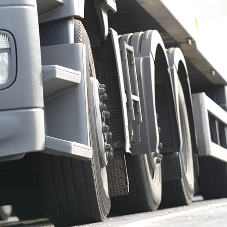
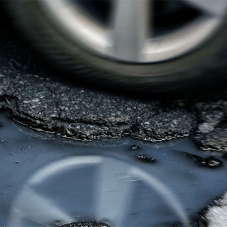
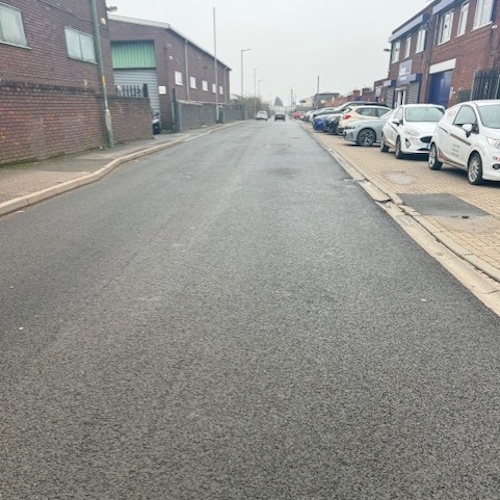
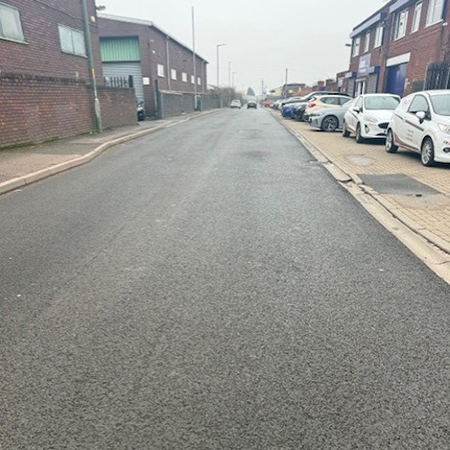
Following discussions with Tarmac, Croxstalls Road was selected as the ideal trial site. Serving an industrial area to the north of Walsall town centre, the road experiences constant heavy goods vehicle (HGV) traffic, with vehicles regularly manoeuvring in and out of engineering businesses. Years of heavy loading and surface abrasion had resulted in visible cracking within the existing binder and surface course.
The Solution
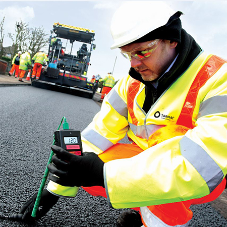
Working closely with the client to understand the site's requirements, Tarmac developed a trial pavement design featuring a high-performance Ultilayer 20mm polymer-modified binder course, topped with two alternative 10mm surface courses.
The first section utilised Ultipave 10 D, Tarmac's innovative graphene-enhanced asphalt, while a second section used Ultilayer S 10mm PMB as a control material for direct performance comparison.
The graphene additive was introduced into the asphalt mix as specialist plastic pellets, which melted during production and dispersed evenly throughout the material, enhancing its performance characteristics.
The Results
The resurfacing programme was completed successfully using 380 tonnes of Ultilayer 20 binder course, together with 98 tonnes of Ultipave 10 D graphene-enhanced asphalt and 150 tonnes of Ultilayer S 10 control material. The completed scheme delivered an excellent surface finish across both trial sections.
Both sections of road will now be monitored over time to evaluate the comparative performance of the graphene-enhanced asphalt against the conventional surface course under the demanding conditions created by continuous HGV traffic.
By creating roads that last longer, the trial has the potential to optimise long-term value for taxpayers, reduce disruption for road users and local businesses, and minimise future energy use and carbon emissions by reducing the frequency of resurfacing interventions.
Find out more about Tarmac's asphalt solutions.
Graphene-Enhanced Asphalt Trial Improves Durability on Busy HGV Route

Products by this Company