
How modular green roof systems can help schools, colleges and universities meet sustainability objectives while reducing installation disruption and long-term costs.
Green roofs are becoming an increasingly common feature of education buildings across the UK. Schools, colleges and universities are looking for practical ways to improve biodiversity, manage rainwater and make better use of their existing roof space.
This growing interest also reflects wider government initiatives. The Department for Education's sustainability and climate change strategy encourages education settings in England to improve biodiversity, strengthen climate resilience and incorporate environmental learning into everyday school life. The National Education Nature Park programme is also supporting schools and colleges in making their surroundings greener.
Green roofs offer a practical way to contribute to these objectives, particularly on urban sites where ground-level space is limited.
More Than Just a Green Roof
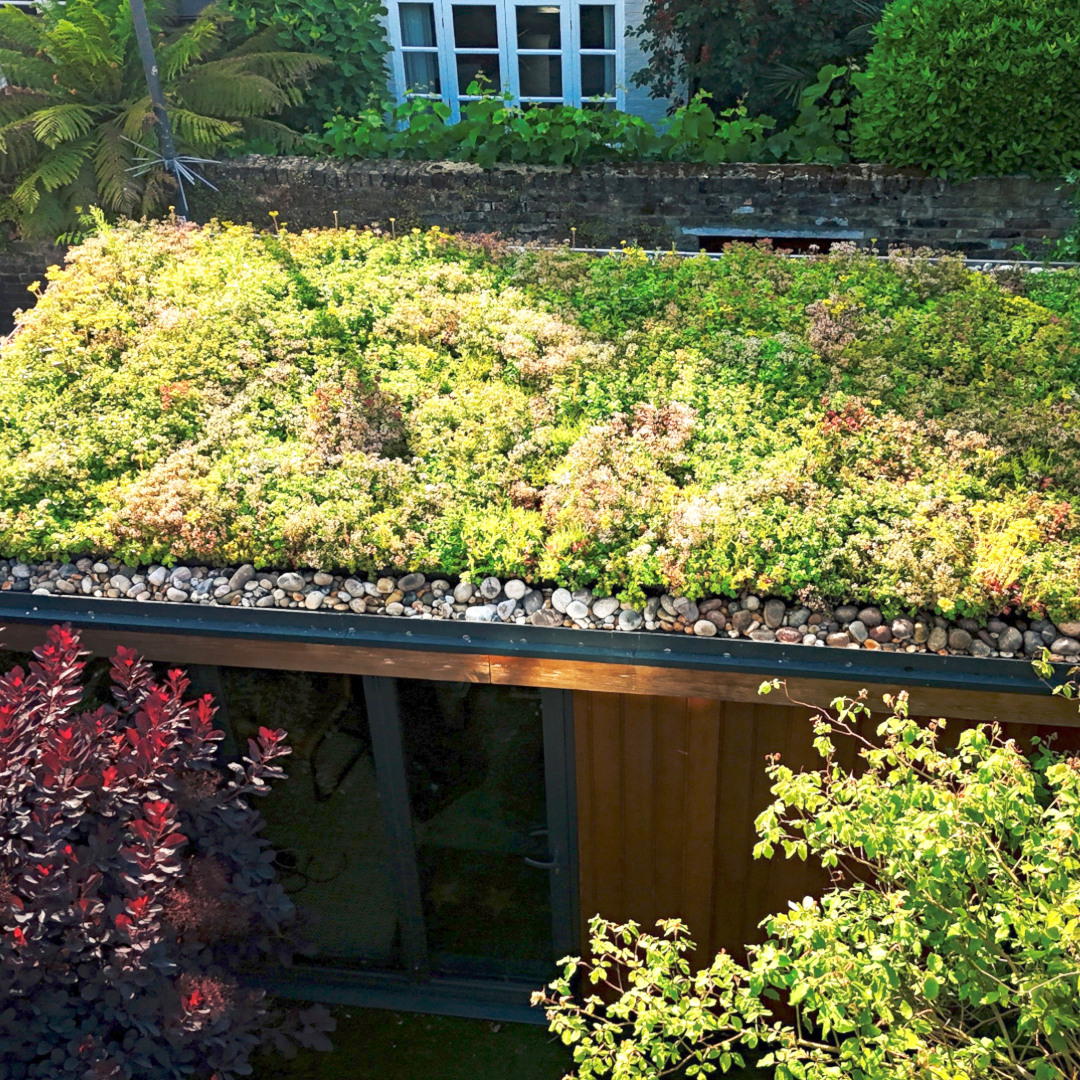
A green roof can provide several benefits for an education building:
• Support biodiversity by creating habitats for bees, butterflies and other pollinators.
• Help manage stormwater by retaining rainfall and slowing its discharge into drainage systems.
• Reduce the urban heat island effect through vegetation coverage.
• Improve the appearance of buildings and surrounding environments.
• Provide opportunities for environmental education, including biodiversity monitoring and studying local ecosystems.
For education providers, however, choosing the right green roof system involves more than environmental performance. Installation costs, disruption and ongoing maintenance must also be considered.
Modular Versus Roll-Out: Looking Beyond the Initial Cost
Traditional roll-out green roof systems can have a lower initial material cost than modular. However, the overall cost of installation and maintaining the roof over its lifetime can tell a different story.
Roll-out systems generally require multiple layers to be installed separately, including drainage, filtration, growing medium and vegetation. This involves additional handling, labour and coordination between construction activities.
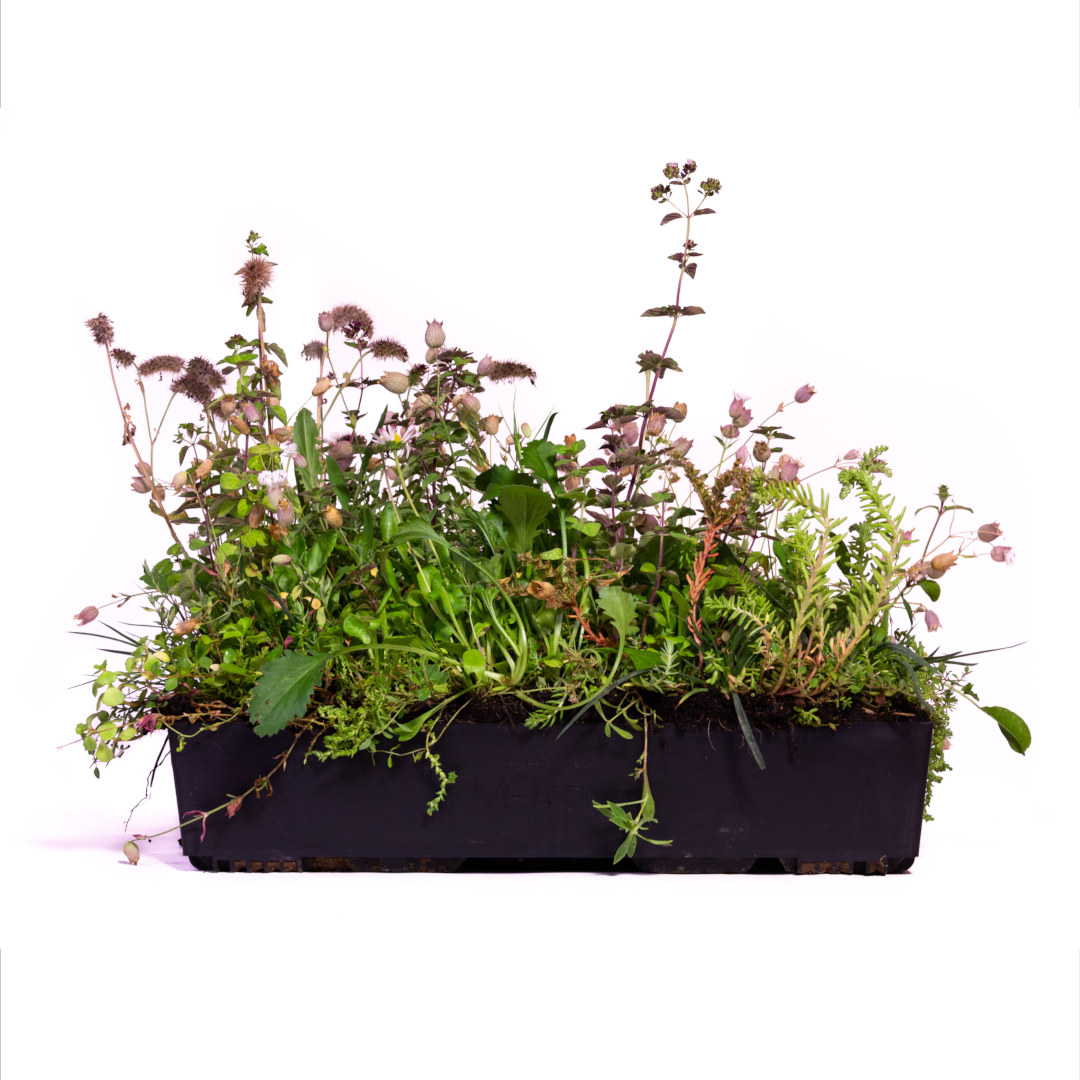
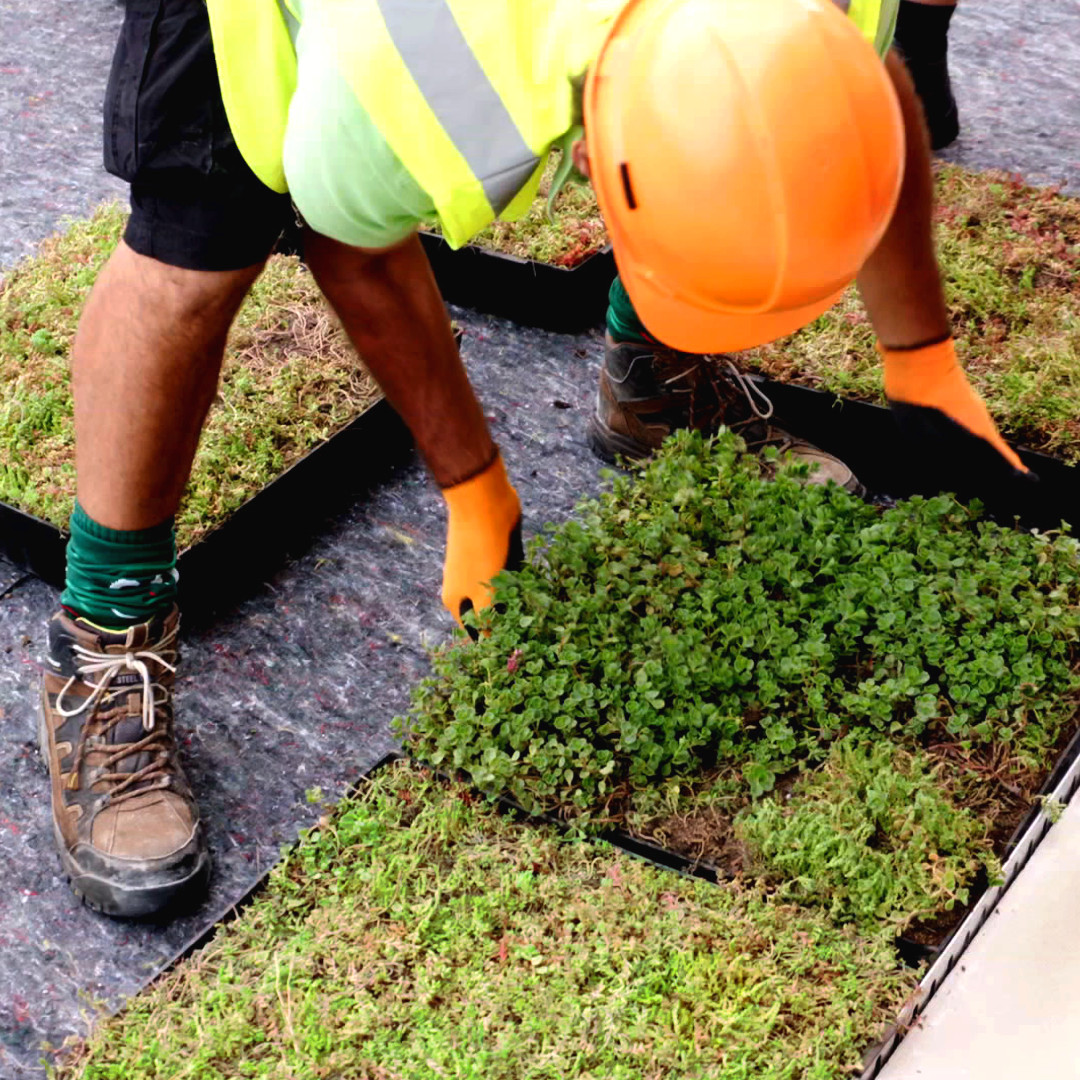
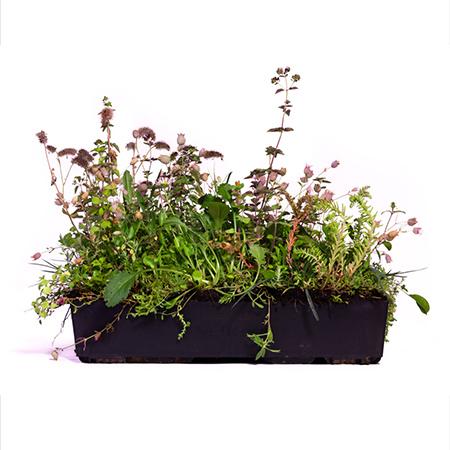
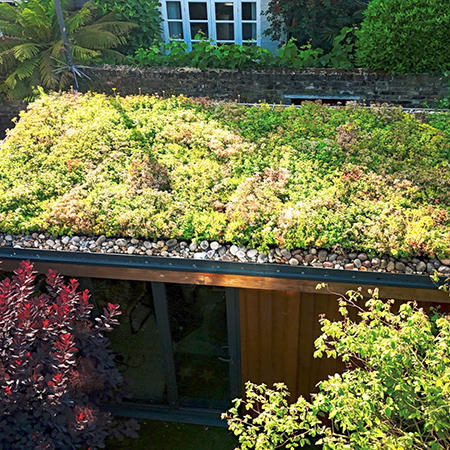
Wallbarn's M-Tray® modular green roof system takes a different approach. Each module arrives pre-grown, with the vegetation and substrate contained within the tray, ready to install.
For large education projects, this offers several practical advantages:
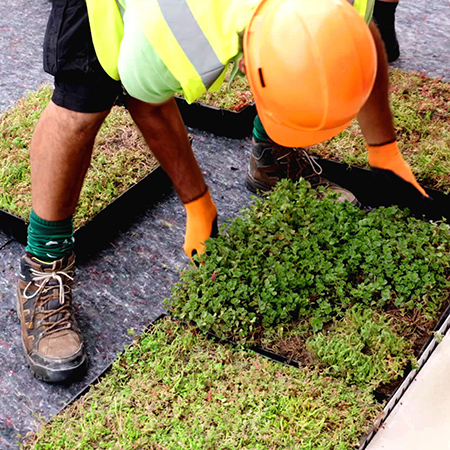
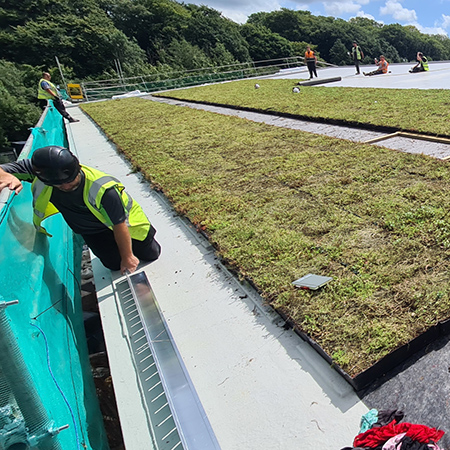
• Flexible, phased installation: Unlike roll-out systems, where the various layers generally need to be installed in quick succession across a prepared roof area, M-Tray® allows individual sections to be completed independently. Contractors can install one area while other trades continue working elsewhere on the roof, then return to complete the remaining sections when convenient. This flexibility is particularly valuable on large, busy or restricted-access sites where construction activities need to be carefully coordinated.
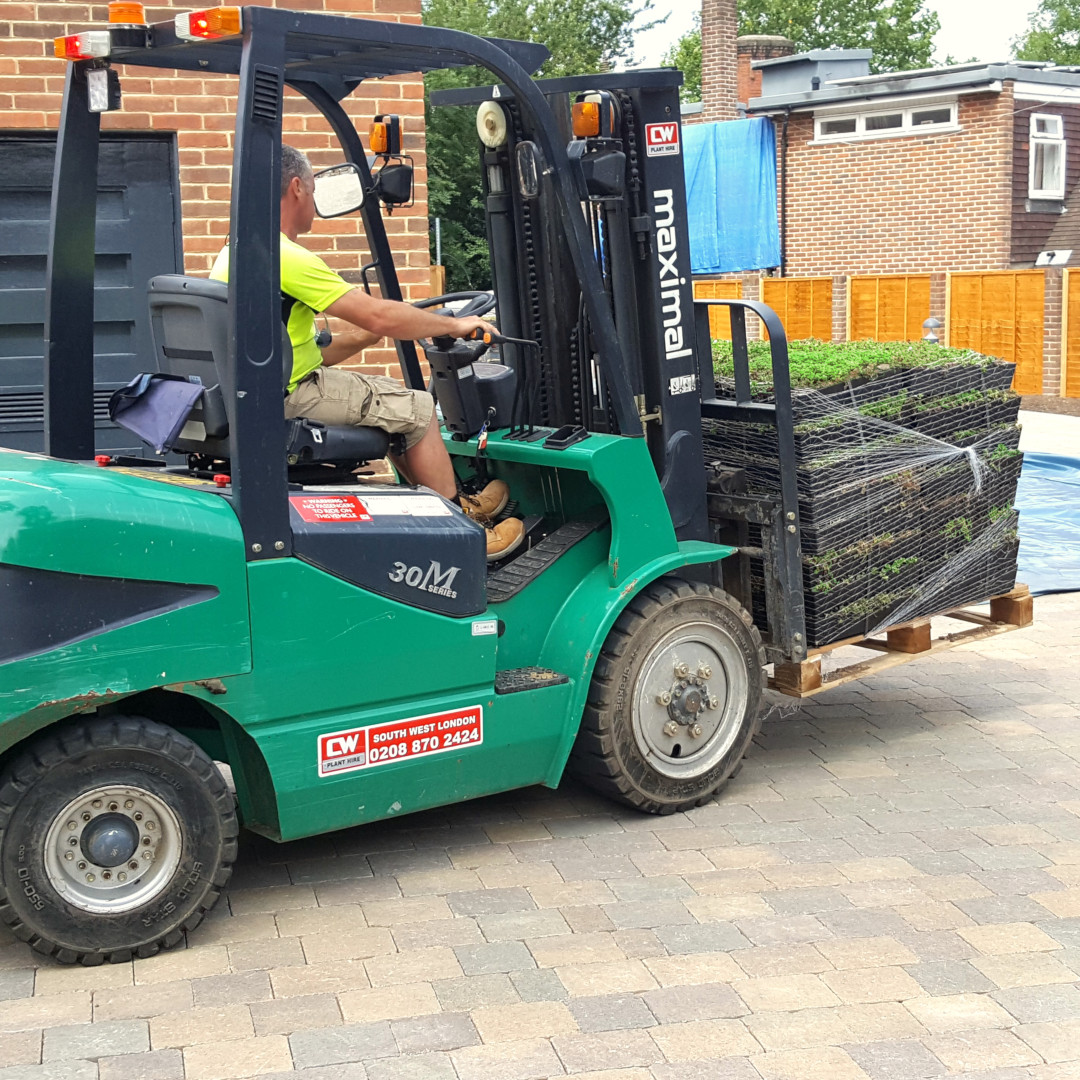
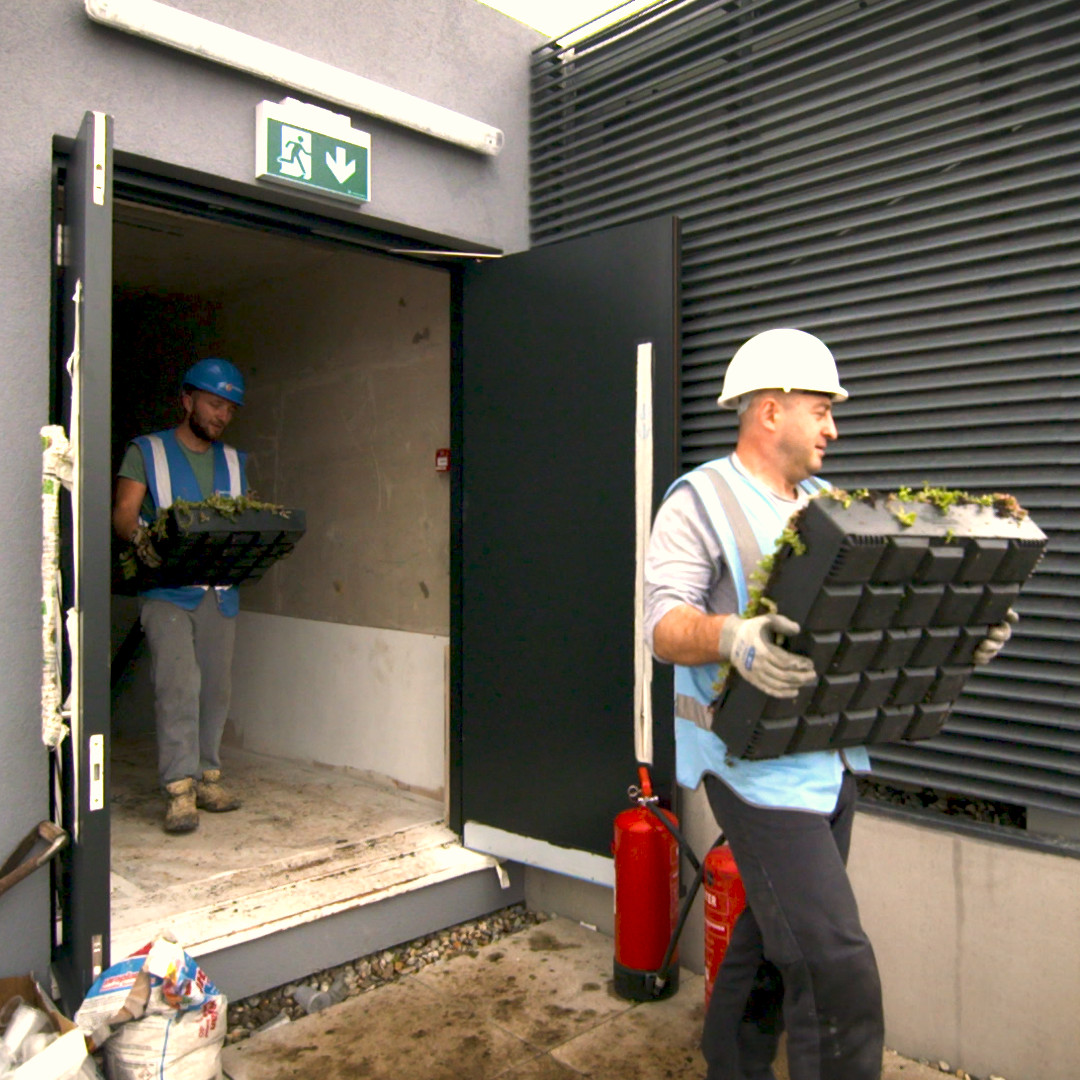
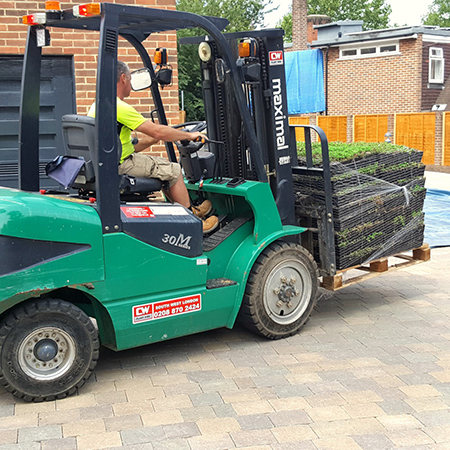
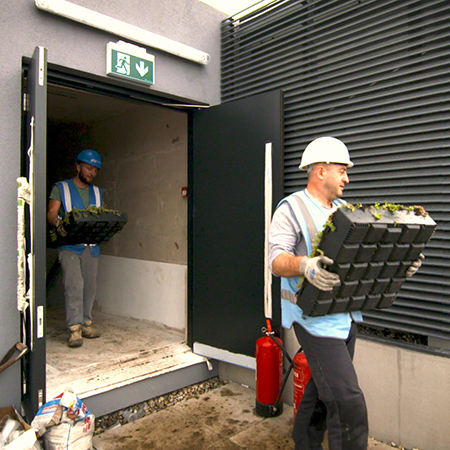
• Simpler logistics: Trays are delivered palletised and can be carried individually to areas where access is restricted.
• Reduced installation time: Pre-grown modules eliminate much of the on-site layering and planting associated with traditional systems.
• Less disruption: Installation can be organised around occupied buildings, restricted delivery windows and academic timetables.
• Easier future maintenance: Individual modules can be lifted to access waterproofing beneath and reinstated afterwards.
The maintenance advantage is particularly important. With conventional roll-out systems, accessing the waterproofing can involve removing vegetation, substrate and other layers before repairs can begin. Reinstating these materials adds further labour and expense (if it can be reused at all).
With M-Tray®, individual trays can be lifted and replaced, allowing more localised access with little disturbance.
Although modular systems may cost more initially in materials, savings in installation labour, future repairs and maintenance can make them a more economical solution over the life of the roof.
Proven in Education: Turing House School
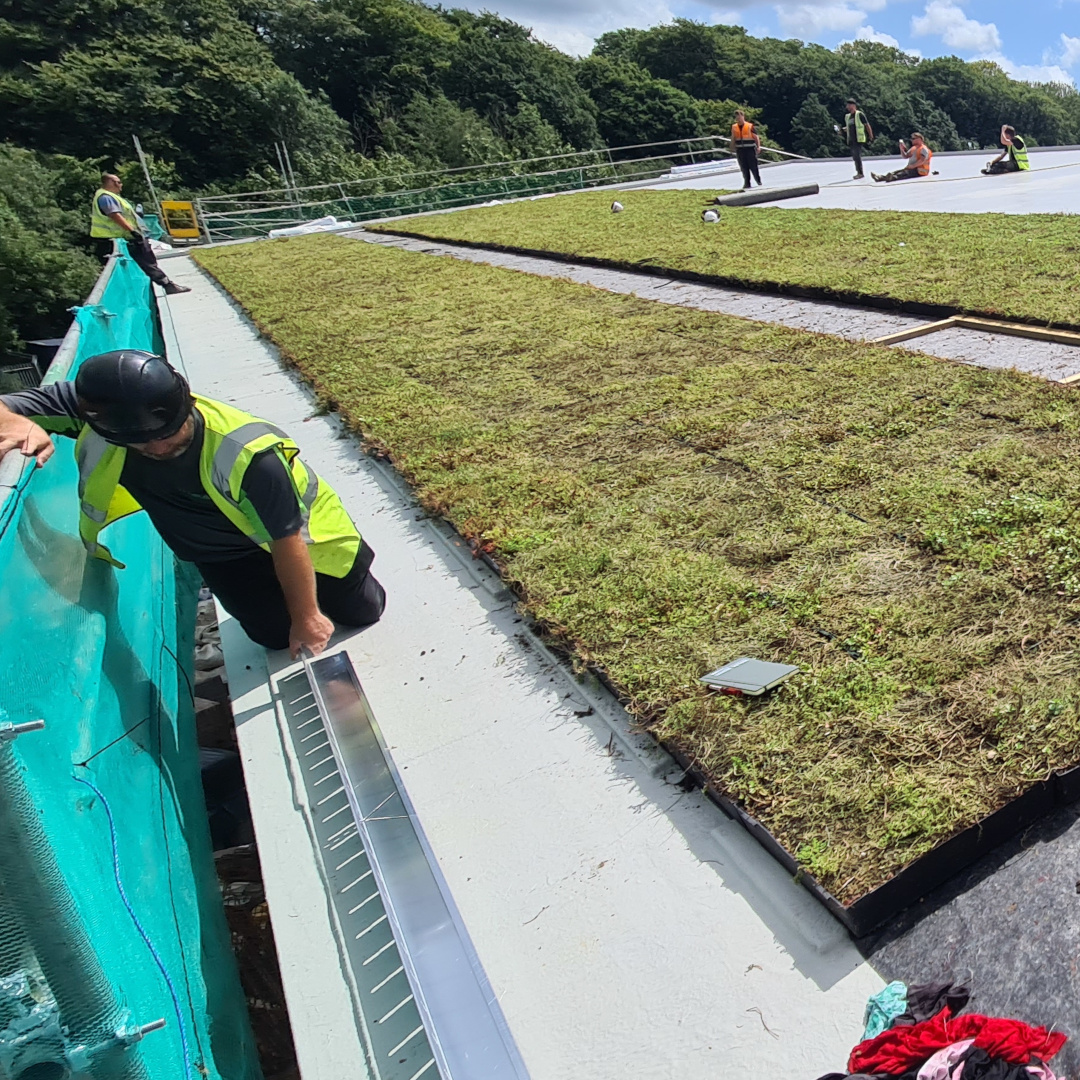
At Turing House School in Twickenham, Wallbarn supplied over 1,500m² of M-Tray® green roofing across multiple roof levels.
The pre-grown modular system helped simplify installation across the different roof areas, while providing established vegetation from the outset.
The green roofs were also integrated around solar PV panels, combining renewable energy generation with biodiversity improvements as part of the school's wider sustainability approach.
The project demonstrates how modular green roofing can be incorporated into education developments where environmental performance, construction logistics and long-term building management are important considerations.
A Practical Approach to Greener Education Buildings
Available in sedum and wildflower options, M-Tray® is manufactured in the UK using recycled and recyclable polypropylene trays, with vegetation grown and established at our farm before delivery.
For education providers and their project teams, the modular approach offers more than a green roof. It provides flexibility during construction, straightforward access for future maintenance and an opportunity to improve biodiversity without unnecessarily complicating building management.
Planning a green roof for a school, college or university?
Wallbarn provides technical guidance, NBS specifications, CAD details, BIM objects and project estimating support to help architects, specifiers and contractors choose the right green roof solution.
Contact Wallbarn to discuss your project or learn more about M-Tray®.
Why Green Roofs Are Becoming Part of Education Buildings

| T | 0208 916 2222 |
|---|---|
| F | 0208 916 2223 |
| E | sales@wallbarn.com |
| W | Visit Wallbarn's website |
| Unit 16, Capital Business Centre, 22 Carlton Road, South Croydon, Surrey, CR2 0BS |





Categories
Green roofs