
-file171237.png)
By Gary Doxey, Commercial Manager at Eurocell
When it comes to fenestration specification, aesthetics and upfront cost continue to dominate the conversation. In my experience, walk into most procurement meetings and you'll hear the same reasoning; aluminium looks better, aluminium performs better. The trouble is, it isn't backed by the data.
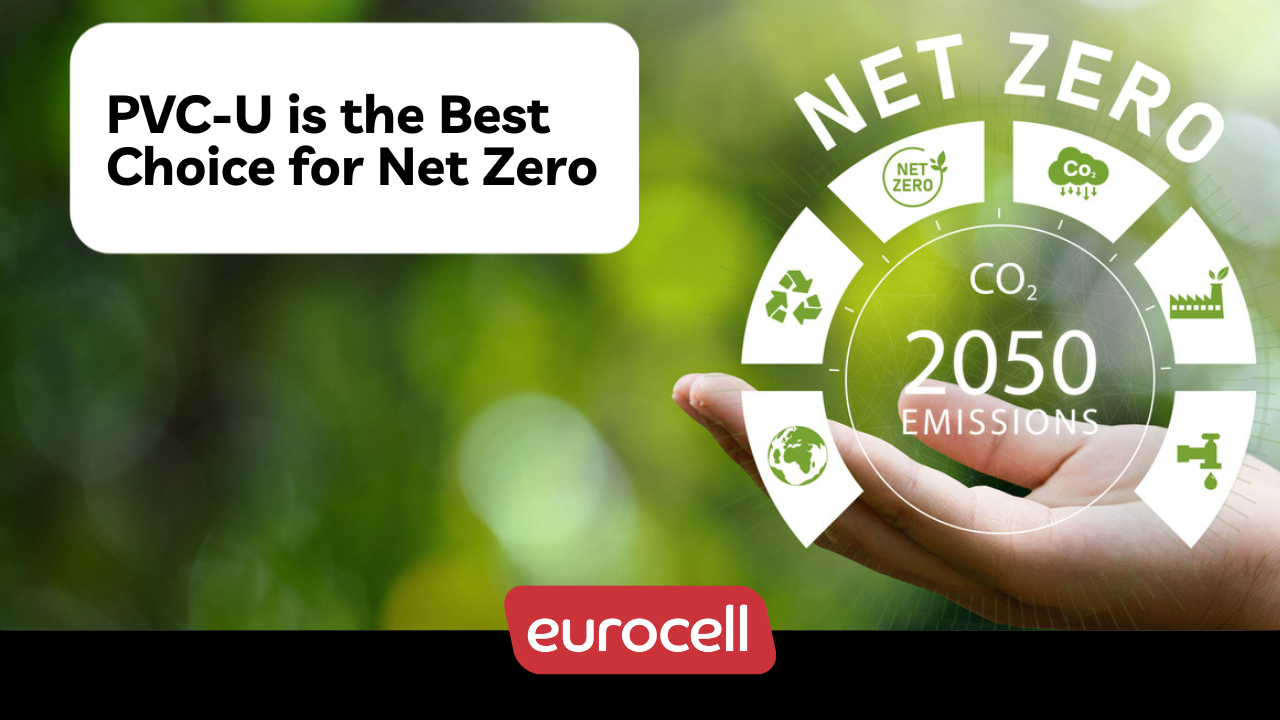
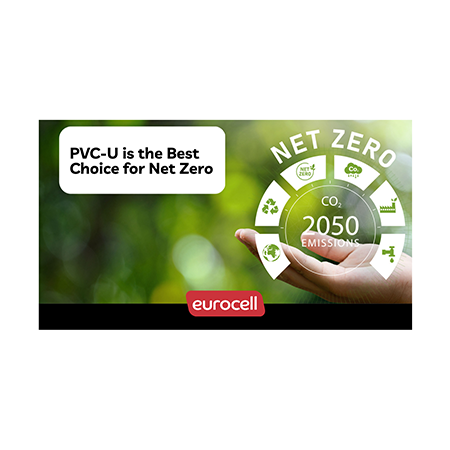
Strip away the aesthetics debate, which PVC-U has largely caught up with anyway, and look strictly at full Life Cycle Assessments (LCAs), Scope 3 emissions, and the UK's legally binding commitment to net zero by 2050. The carbon case for PVC-U is stronger than most specifiers realise.
For the vast majority of housing projects in the UK, where PVC-U dominates at scale, where closed-loop recycling infrastructure already exists, and where supply chain practicality matters – PVC-U presents a hard-to-ignore carbon case.
The numbers don't lie
A standard PVC-U window carries a 35-year life cycle. But here's what too few people are talking about: PVC-U can be recycled up to ten times without loss of performance. Across multiple use cycles, that gives the material one of the longest sustainable material loops in fenestration. A meaningful distinction when embodied carbon is measured across a full supply chain lifecycle.
The embodied carbon story strengthens further when you factor in innovative manufacturing. Low-carbon resins such as Neovyn, which we use at Eurocell for our Modus system, deliver a carbon footprint of just 1.3 kg CO₂e per kg of PVC, 37% lower than the EU average. Apply those figures across a housing stock at scale and the embodied carbon savings are huge.
I think timber deserves an honest mention here. On raw embodied carbon at point of manufacture, sustainably sourced timber can be competitive. But at the scale and pace housing demands, with supply chains that need to be reliable, local and set up for closed-loop recycling, PVC-U wins on whole-life delivery.
Yet this story isn't being told loudly enough. The industry defaults to recycling as its sustainability headline, which matters, but it's only part of the picture. The full LCA case for PVC-U from manufacture through to end of life is where the real argument lives, and it's one that other materials, for all their talked up prestige, simply can't match.
Why the regulatory shift makes this urgent
The incoming Home Energy Model (HEM), now being introduced on a phased basis alongside the Future Homes Standard, represents the most significant shift in how energy performance is assessed in decades. While SAP 10.3 remains the initial compliance tool during the transition, HEM's physics-based approach is the clear direction of travel.
Unlike SAP, HEM removes the 'fudge factor' from calculations. It looks at real building performance with far greater precision than SAP's monthly averages. And as HEM beds in alongside evolving EPD requirements and Scope 3 reporting obligations, the scrutiny on embodied carbon across the full supply chain will only intensify.
That means the carbon credentials of every material specified, including fenestration, will face greater scrutiny than ever before. PVC-U, with its proven LCA data, recyclability, and its capacity to achieve the U-values now demanded through continued innovation in triple glazing, is best positioned to meet that scrutiny.
For social housing specifiers specifically, the pressure is greater. EPC Band C by 2030, the New Decent Home Standard by 2035, net zero by 2050 – it's a steep regulatory ladder. Specifying to the minimum today risks a second wave of replacements before you've reached the top of that ladder. Specifying PVC-U on the basis of its full carbon credentials is a decision that holds up across all three deadlines.
Closing the loop
Recyclability is where PVC-U's carbon advantage becomes self-reinforcing. But it's worth being precise about what genuine closed-loop recycling means in practice.
The most carbon-efficient approach keeps the supply chain local. PVC-U frames recovered from site are reprocessed and remanufactured into new profiles within a tight geographical loop, directly reducing Scope 3 emissions in a way that shipping materials hundreds of miles to third-party facilities simply cannot replicate. As embodied carbon faces greater scrutiny under HEM and evolving EPD requirements, that distinction becomes a material factor in specification decisions.
Specify once, specify right
I have one further risk I want to cover that doesn't get enough airtime. High-performing products often get value-engineered out between design and delivery, and buildings end up performing well below what was intended. In a regulatory environment where U-values, airtightness, and embodied carbon all need to be demonstrable, that gap isn't acceptable. Specification-to-installation models exist precisely to close it, ensuring what is specified is what gets installed, so the carbon case holds up in practice.
The LCA data for PVC-U is robust, the supply chain is ready to deliver at scale, and the regulatory environment is moving in one direction. In my view, it's the strongest carbon choice available to specifiers today.
What's needed now is the willingness to make decisions based on verified data rather than inherited assumptions and to choose the material whose full-life carbon story will withstand scrutiny in 2030, 2035, and 2050. The hard numbers are available. Specifiers just need to look at them.
Despite Misplaced Beliefs, PVC-U is the Best Choice for Net Zero - Here's Why
| T | 0333 005 6525 |
|---|---|
| E | marketing@eurocell.co.uk |
| W | Visit Eurocell's website |
| Eurocell Head Office and Distribution Centre, High View Road, Alfreton, Derbyshire, DE55 2DT |
Products by this Company



crop-file171237.png)
Categories
Plastic doors Plastic windows